Water in Your Property Right Now?
If you're reading this with water actively in your home or business, here's what matters most in the next few minutes:
If it's safe, shut off the water source
the main valve for a burst pipe, or the appliance itself for a failed washer or water heater.
Cut power to any area near standing water at the breaker if you can do so safely.
Never enter standing water near outlets or appliances.
Start removing what you safely can
towels, a wet/dry vac for small amounts — while you wait for extraction equipment that can handle more.
Call for professional extraction.
The longer water sits, the more it spreads into subflooring, baseboards, and wall cavities where it's harder — and more expensive — to dry out.
Call now for emergency extraction: (813) 555-2748
Call Now: (813) 555-2748Water Extraction vs. Water Mitigation — What's the Difference?
These two terms get used interchangeably, but they mean different things, and knowing the difference helps you understand what's actually happening at your property.
Water Extraction
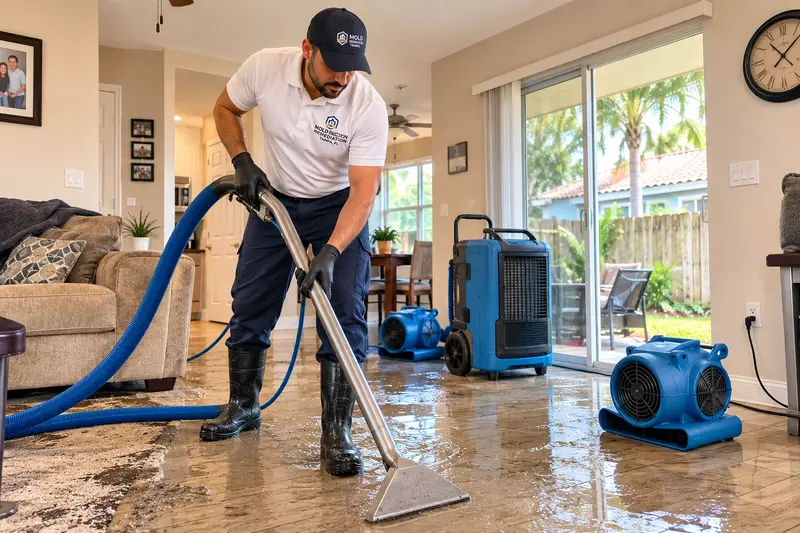
the physical removal of standing water — the first, most urgent step. Using industrial pumps and extraction equipment, we pull out water from floors, carpets, and any pooled areas before it can spread further.
Water Mitigation
the broader emergency response that extraction is part of. It covers everything done in the critical first hours and days to stop damage from getting worse: extracting water, detecting hidden moisture, structural drying, and applying antimicrobial treatment to prevent mold. Mitigation stabilizes your property — it's the difference between 'the immediate crisis is handled' and 'everything is fully rebuilt.'
Full Restoration
repairing or replacing drywall, flooring, and finishes — is a separate phase that comes after mitigation, once the structure is fully dry.
Why Every Hour Matters
Water damage doesn't sit still. In Tampa's climate — average humidity around 74% year-round — the window between 'wet' and 'moldy' is short.
Category can escalate the longer water sits.
Clean water (Category 1) from a supply line can degrade into contaminated gray water (Category 2) within roughly 24 to 48 hours if it isn't extracted, as it picks up contamination from the materials and environment around it. What starts as a straightforward extraction job can turn into a more complex, more expensive one simply because of delay.
Materials absorb water fast.
Drywall, subflooring, and baseboards wick up water well beyond what's visibly wet, and that hidden moisture is exactly what feeds mold growth days later — even after the surface looks dry.
Mold doesn't wait for you to decide.
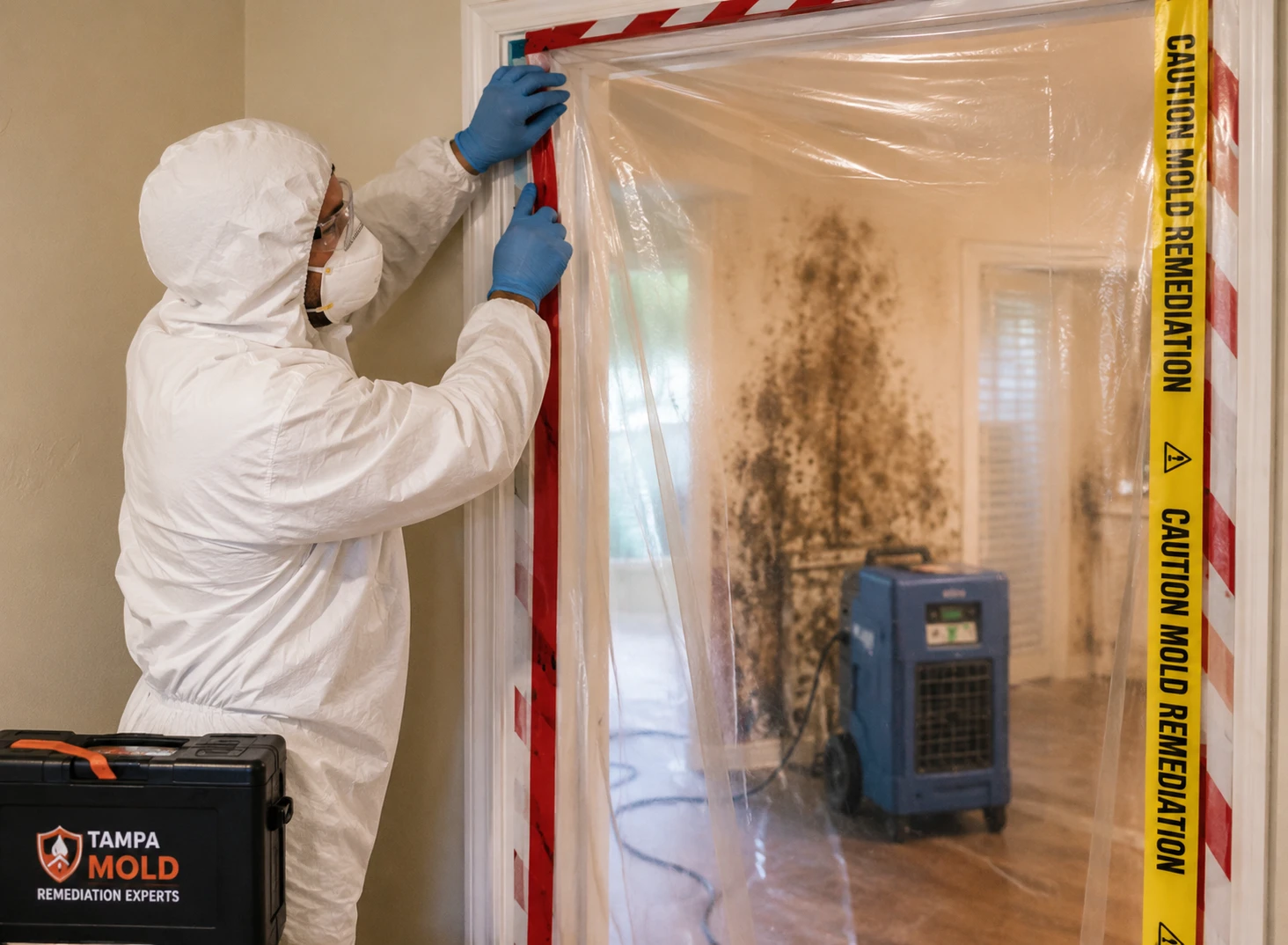
In Tampa's humidity, mold can begin developing within 24 to 48 hours of water exposure. Fast extraction and drying is the single biggest factor in whether a water event stays a manageable job or turns into a mold remediation project on top of it.
Common Causes of Water Damage We Respond To
Burst pipes and plumbing failures — sudden, high-volume water loss that can flood a space in minutes
Storm and hurricane flooding — wind-driven rain and storm surge pushing water in through roofs, windows, and low points
Appliance failures — washing machines, dishwashers, and water heaters with failed hoses or connections
Roof leaks — often slow and hidden until they've already saturated attic insulation and ceiling drywall
Sewage backups — contaminated Category 3 water requiring specialized handling, never a DIY situation
Slab leaks — common in Tampa's high-water-table areas, often showing up as a warm or damp spot on flooring before anything is visibly wet
Our Emergency Extraction & Mitigation Process
Inspection & Moisture Mapping
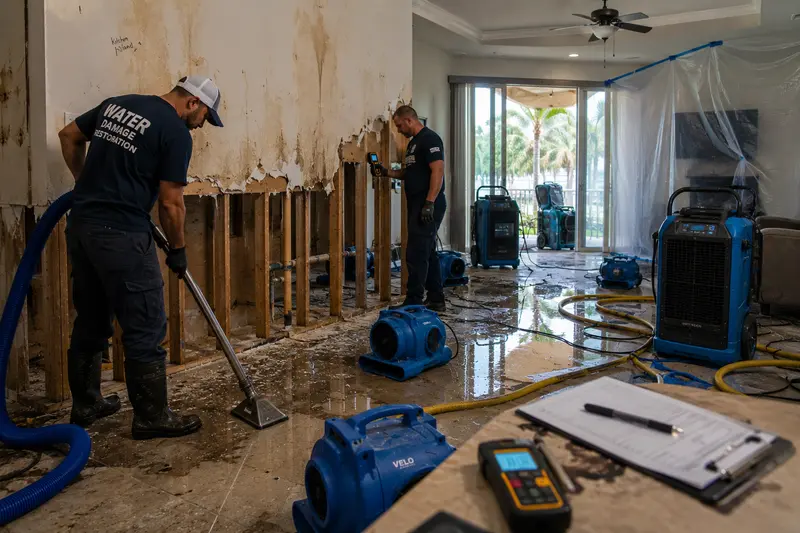
We assess the scope using moisture meters and thermal imaging to find water that isn't visible — behind walls, under flooring, inside cavities — not just what's pooled on the surface.
Water Extraction
Standing water comes out first, using extraction equipment sized to the job — from smaller portable units for a single room to higher-capacity equipment for larger losses.
Structural Drying
Commercial dehumidifiers and air movers are placed based on the moisture readings, not guesswork. Drying follows psychrometric principles — balancing airflow, temperature, and humidity — to pull moisture out of materials safely rather than just moving air around the room.
Daily Monitoring
We track moisture levels daily and adjust equipment placement as materials dry, documenting progress until every affected material meets a verified dry standard — not just 'feels dry.'
Cleaning & Mold Prevention
Antimicrobial treatment is applied to affected areas to address bacteria and prevent mold growth before it starts, not after.
Documentation for Your Insurance
Every step — moisture readings, photos, equipment logs — is documented in a way that supports your insurance claim, whether we're billing your carrier directly or you're handling the claim yourself.
Residential & Commercial Water Extraction
Residential jobs are usually tied to a single event — a burst pipe, a storm leak, an appliance failure — affecting one or a few rooms. Commercial water losses in offices, retail spaces, and multi-unit buildings often need faster turnaround to limit business disruption, and may involve larger equipment deployments to cover more square footage at once. We handle both.
What This Doesn't Include (and Why That's Worth Knowing)
Being upfront about scope matters here. Mitigation stabilizes your property — it stops the damage, dries the structure, and prevents mold. It does not include rebuilding: replacing drywall, installing new flooring, painting, or reconstruction. That's a separate phase, typically requiring different licensing and trade skills than mitigation work itself.
Knowing this upfront means no surprises about what happens once your property is dry.
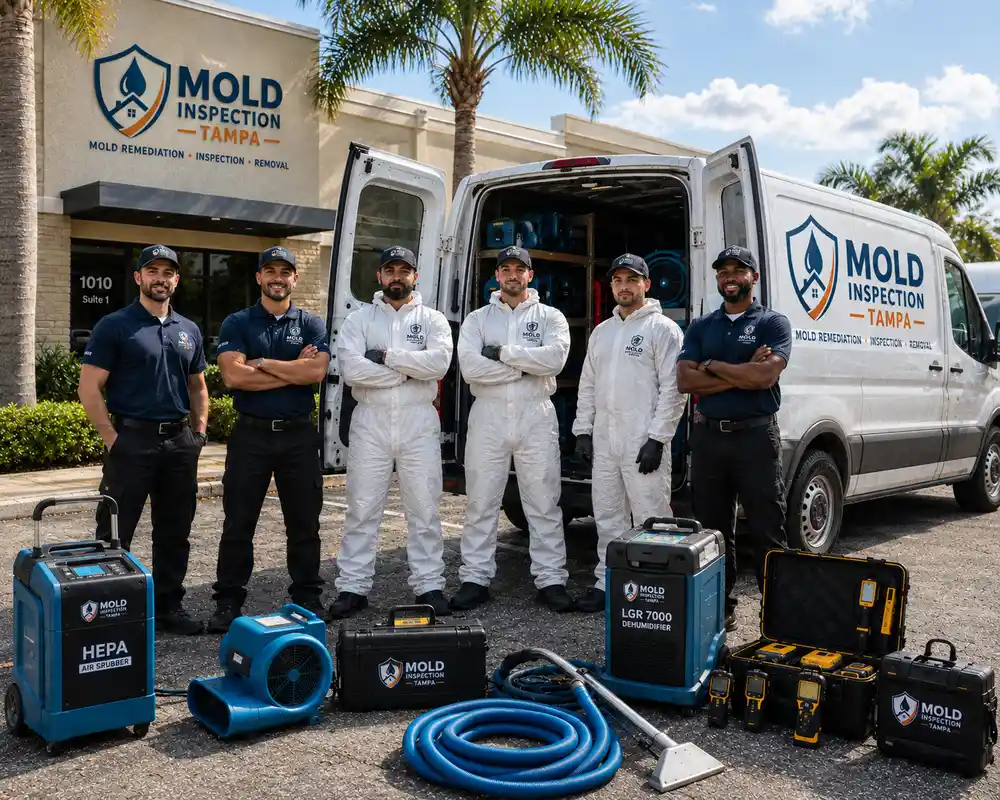
After Extraction: Preventing This From Happening Again
A few practical steps reduce the odds of a repeat event:
Know your main water shut-off valve location before you need it in an emergency
Inspect washing machine hoses, water heater connections, and under-sink lines periodically for wear
Clear gutters and downspouts so rainwater drains away from your foundation rather than pooling near it
Have your roof checked after major storms for damage that isn't visible from the ground
Get Emergency Help Now
Standing water doesn't wait, and neither should you. The longer it sits, the more it spreads — and the more it costs to fix. Our team responds fast, extracts what's there, and starts drying before the damage gets worse.
What to Expect
Meet Your Mold Specialists
Every black mold remediation project is handled directly by a licensed, certified professional — not an untrained subcontractor.
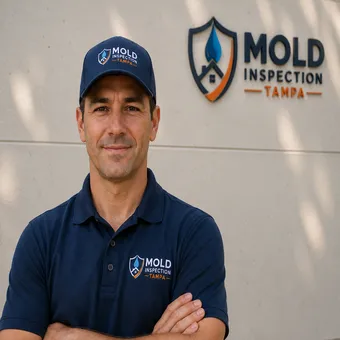
Michael Carter
Founder & Lead Mold Remediation Specialist
- 12+ years mold remediation experience
- IICRC-Certified Technician
- Florida Licensed & Fully Insured
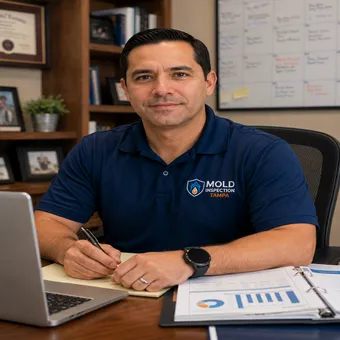
Daniel Rodriguez
Operations Manager
- Oversees all remediation projects
- IICRC-Certified
- EPA-Compliant Practices
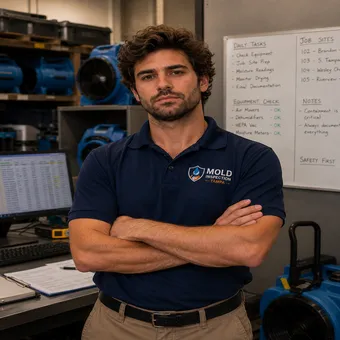
Ryan Mitchell
Senior Restoration Technician
- Specialist in containment & removal
- IICRC-Certified Technician
- EPA-Compliant Practices
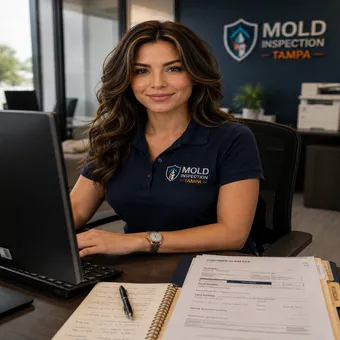
Jessica Adams
Customer Success Manager
- Single point of contact for all clients
- Insurance claim documentation support
- 12+ years customer service experience