Water in Your Home Right Now? Do This First.
If water is actively coming in, a few fast steps protect both your safety and your insurance claim before our crew arrives:
Stop the source if you safely can.
For a burst pipe, shut off your main water valve. For water near outlets or electronics, cut power to that area at the breaker — never stand in water near live electricity.
Document everything before you move anything.
Take wide photos and videos of the damage, the water line, and the source. Narrate the date and time. Under Florida policies you're required to mitigate further damage, but documentation of the original loss is what protects your claim.
Start removing standing water.
Use towels, a mop, or a wet/dry vacuum on smaller amounts. Move valuables, documents, and anything porous up and out of the water.
Run your AC — don't just open windows.
This surprises people. On a humid Tampa day, opening windows invites more moisture in. Your air conditioner is a powerful dehumidifier; closing up and running it cold does more to start drying than open windows.
Call a licensed restoration team.
The faster professional extraction and drying begin, the less secondary damage and mold you'll face.
Call our 24/7 emergency line — we answer live and can be on-site fast.
(813) 555-2748Why Speed Matters So Much in Tampa
Water damage gets worse by the hour, and Tampa's climate makes it worse faster than almost anywhere in the country.
Our air stays warm and humid year-round — humidity here averages around 74%. That means the moment water soaks into drywall, carpet, and subflooring, it becomes a feeding ground for mold, which can begin growing within 24 to 48 hours. What starts as a simple water problem on Friday can become a mold problem by Monday.
There's a second reason speed matters that most homeowners don't realize: water damage gets more contaminated the longer it sits. Clean water from a supply line (Category 1) can degrade into gray water (Category 2) and eventually contaminated black water (Category 3) as it lingers and mixes with dirt, bacteria, and building materials. Fast extraction doesn't just limit damage — it can keep a job from becoming a far more expensive and hazardous cleanup.
Our Water Damage Restoration Services
We handle the full path from emergency water removal to a fully dried, restored property.
Emergency Water Extraction
We pull standing water fast using truck-mounted and portable extractors — the first and most urgent step in limiting damage to floors, walls, and subflooring.
Structural Drying & Dehumidification
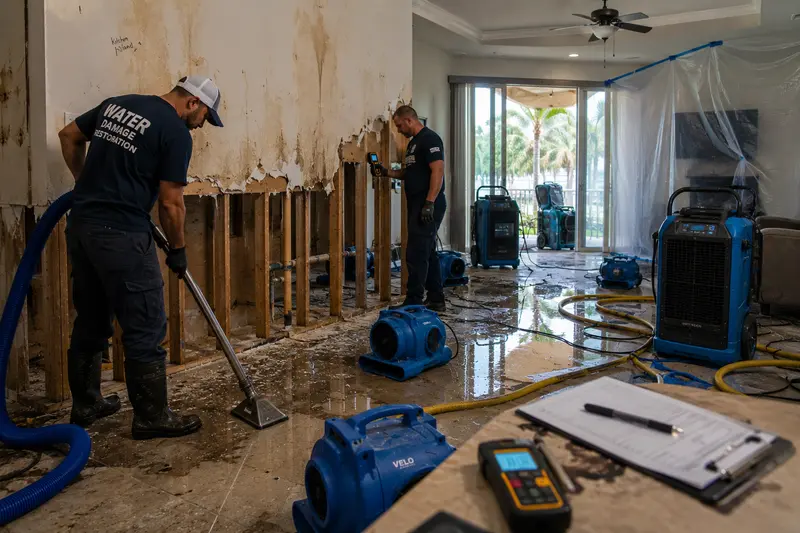
Removing visible water is only half the job. We use commercial air movers and LGR dehumidifiers to dry the structure itself — framing, drywall, and subfloor — to a measured moisture target, not just 'dry to the touch.'
Water Mitigation
Mitigation is about stopping the damage from spreading. Containment, humidity control, and rapid drying in the critical first 24 hours prevent a contained problem from turning into a whole-home loss.
Flood & Storm Damage Cleanup
Hurricane and storm flooding brings contaminated water and unique hazards. We extract, remove unsalvageable materials, and sanitize — following the protocols that storm-driven water requires.
Burst Pipe & Appliance Leak Cleanup
Hidden failures — a burst pipe inside a wall, a corroded washing machine hose, a leaking water heater — can release hundreds of gallons before you notice. We trace the water's path and dry the hidden cavities it reaches.
Sewage Backup Cleanup
A toilet overflow or sewer backup is Category 3 'black water' — a biohazard, never a DIY job. We clean, remove contaminated materials, and sanitize using proper protective equipment and antimicrobial treatments.
Mold Prevention & Remediation
Because we handle both water damage and mold, we don't just dry your property — we treat it to prevent the mold that water so often leaves behind. If mold has already started, we remediate it as part of the same job.
We serve both residential and commercial properties throughout Tampa — homes, condos, rentals, offices, and multi-unit buildings.
The Types of Water Damage We Restore
Not all water is equal, and the category determines how a job must be handled. This is core to how restoration is scoped, priced, and made safe.
Storm surge adds one more wrinkle: it's saltwater. Salt corrodes metal, damages wiring, and accelerates material deterioration — so storm-surge cleanup often requires more aggressive material removal than a clean-water leak of the same size.
How Our Water Damage Restoration Process Works
Every property is different, but professional restoration follows a proven sequence built around one goal: dry the structure completely before rebuilding anything.
Emergency Response & Assessment
We answer your call live, dispatch a crew, and on arrival identify the water source, the category of water, and the full scope — including hidden moisture.
Water Extraction
Standing water comes out first with professional-grade extractors, before it can wick deeper into materials.
Moisture Mapping
Using thermal imaging cameras and moisture meters, we find water that's hidden behind walls, under tile, and in wall cavities — because 'dry to the eye' is not actually dry, and trapped moisture is what feeds mold weeks later.
Controlled Structural Drying
We set up air movers and dehumidifiers in a controlled configuration and monitor moisture readings daily. In Tampa's humidity, structural drying typically takes longer than in dry climates — often three to seven days depending on materials and saturation.
Cleaning, Sanitizing & Mold Prevention
We clean and disinfect affected surfaces, treat with antimicrobial products to prevent mold, and address odors at the source.
Documentation & Insurance Support
Throughout, we document the loss with photos, moisture logs, and detailed records — organized the way insurance adjusters need them to approve a claim efficiently.
Why 'Dry to the Eye' Isn't Actually Dry
This is the single most misunderstood part of water damage, and it's why DIY drying so often fails. A surface can feel dry to your hand while the drywall, subfloor, and framing behind it are still holding water.
Professionals don't dry to feel — we dry to a measured moisture reading. We take baseline readings, then run controlled drying until the affected materials return to a documented dry standard that matches unaffected areas of your home. This is also why professionals don't just place fans everywhere on day one: air movers go in after the environment is stabilized and, when flooding is involved, after wet materials are removed. Blowing air across still-wet, contaminated materials can spread the problem instead of solving it.
That measured approach is the difference between a home that's genuinely dry and one that grows mold inside the walls a month later.
Common Causes of Water Damage in Tampa Homes
Tampa's climate, geography, and housing stock create specific, recurring water problems:
Summer storms and hurricanes
From June through November, tropical downpours and storm surge push water in through roofs, windows, and rising ground water.
A high water table and slab foundations
Tampa's high water table puts pressure on slab-on-grade foundations, making slab leaks a common and often hidden problem — a warm or damp spot on your floor can signal a broken pipe under the concrete.
AC condensate leaks
In our climate, air conditioners run constantly. When a condensate drain line clogs with algae or dust, it backs up and overflows — often in an attic or closet — leaving a sagging, stained ceiling. Flushing the line periodically helps prevent this.
Aging plumbing in older homes
Neighborhoods like Hyde Park, Seminole Heights, and Tampa Heights have older housing stock where original supply lines can fail without warning.
Appliance and water heater failures
Corroded hoses and failed connections on washers, dishwashers, and water heaters are among the most common indoor water losses.
Insurance & Water Damage: What Tampa Homeowners Should Know
Water damage is stressful enough without an insurance battle on top of it. Here's an honest overview of how coverage typically works in Florida — and how we make the claim easier.
Is water damage covered?
Usually, if it was sudden and accidental. Standard Florida homeowners policies (HO-3 and HO-5 forms) typically cover water damage from burst pipes, appliance failures, and sudden storm-driven roof leaks. What's generally not covered: damage from long-term, unaddressed leaks or maintenance neglect — and flooding from rising surface water or storm surge, which requires a separate flood policy (NFIP or private).
We keep you in control of your claim.
Florida law has changed how Assignment of Benefits (AOB) agreements work, and signing away your insurance rights to a contractor can complicate your claim. We don't ask you to do that. Instead, you stay in direct control — we document the loss thoroughly, bill your insurance directly for the restoration work, and give you the records your adjuster needs. You stay informed at every step.
Why documentation decides claims.
The difference between a smooth claim and a denied one is usually evidence. We log moisture readings, photograph every affected area before and after, and record the source and scope of loss — the documentation adjusters rely on to approve coverage.
Beware of 'Storm Chasers' After a Hurricane
After every major storm, out-of-state 'storm chasers' flood Tampa neighborhoods, knock on doors, promise fast fixes, and pressure homeowners to sign on the spot. Many aren't licensed to work in Florida, do shoddy work, overbill, and disappear when the next storm rolls in — leaving you with no recourse.
Protect yourself: hire a licensed, local restoration company. Ask for their Florida mold and restoration license and IICRC certification. A legitimate company won't pressure you to sign anything before you understand it, will have a local track record, and will still be here long after the storm. Being based in Tampa isn't just convenient — it's your protection.
Residential & Commercial Restoration
We restore both homes and businesses across Tampa.
Get Emergency Help Now
Every hour water sits, the damage and the cost grow. If you're dealing with a leak, a flood, or storm damage, don't wait — the sooner we start extraction and drying, the more of your property we can save. We answer 24/7, we're licensed and local, and we bill your insurance directly.
What to Expect
Meet Your Mold Specialists
Every black mold remediation project is handled directly by a licensed, certified professional — not an untrained subcontractor.
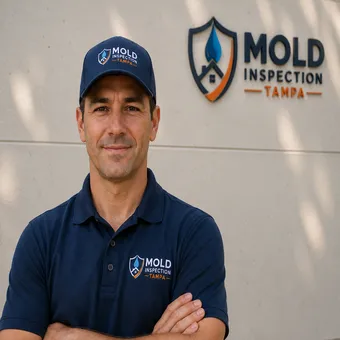
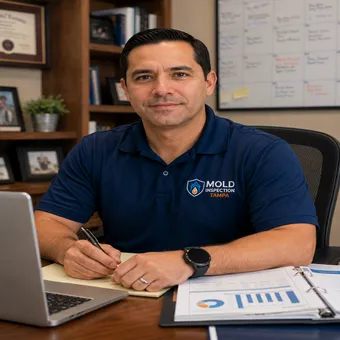
Michael Carter
Founder & Lead Mold Remediation Specialist
- 12+ years mold remediation experience
- IICRC-Certified Technician
- Florida Licensed & Fully Insured
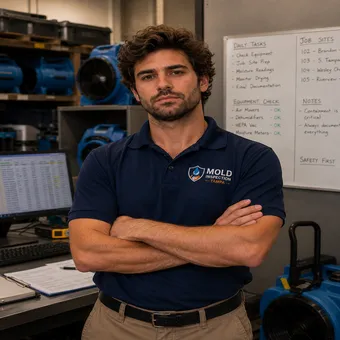
Daniel Rodriguez
Operations Manager
- Oversees all remediation projects
- IICRC-Certified
- EPA-Compliant Practices
Ryan Mitchell
Senior Restoration Technician
- Specialist in containment & removal
- IICRC-Certified Technician
- EPA-Compliant Practices
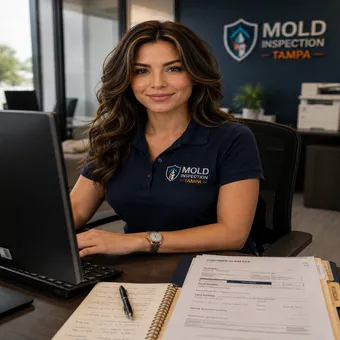
Jessica Adams
Customer Success Manager
- Single point of contact for all clients
- Insurance claim documentation support
- 12+ years customer service experience