Hyde Park Isn't Just 'An Old Tampa Neighborhood' — Here's What Actually Sets It Apart
Plenty of companies will tell you Hyde Park has 'historic charm' and leave it there. That doesn't tell you anything useful about your actual mold risk. What matters is the specifics: when these homes were built, what they're built from, how the neighborhood's official protections affect repair work, and what nearly 140 years of continuous residential use has done to the moisture conditions inside these structures.
Hyde Park traces back to February 13, 1886, when O.H. Platt — a transplant from Hyde Park, Illinois — bought the old Robert Jackson farm on the west side of the Hillsborough River and subdivided it, naming the new neighborhood after his hometown. Two years later, railroad magnate Henry B. Plant built the bridge that's now Kennedy Boulevard, opening the area to development, and his Tampa Bay Hotel (1891) helped make the west bank of the river Tampa's most desirable address almost overnight. That makes Hyde Park the oldest platted residential neighborhood west of the Hillsborough River — not 'historic' in a vague sense, but a documented, dated origin point that predates nearly every other neighborhood we serve.
The Official Historic Designation Changes How Repairs Actually Work Here
Hyde Park isn't informally old — it's formally protected. The Hyde Park Historic Districts were added to the National Register of Historic Places on March 4, 1985, covering roughly 560 acres bounded by the Hillsborough River and Bay, Kennedy Boulevard, and Howard Avenue. That designation exists specifically to preserve the neighborhood's architectural character, which means exterior modifications and, in many cases, visible repairs are subject to guidelines that a standard Tampa renovation project doesn't have to consider.
For mold remediation, this matters in a very practical way: removing and replacing materials on a historic Hyde Park property — original siding, windows, trim, or roofing — isn't always as simple as ripping it out and putting in whatever's fastest. A remediation approach that doesn't account for this can create real friction with historic district requirements, on top of whatever the actual mold problem was.
What's Actually Built Into Hyde Park's Homes
Hyde Park's architecture spans roughly 1890 through the 1930s, and it's more varied than a single 'old Florida home' label suggests. The earliest homes reflect Queen Anne and Colonial Revival styles from the neighborhood's founding decades — wraparound porches, wood siding, steep rooflines. As the neighborhood boomed through the 1900s-1920s, Georgian and Mediterranean-style estates filled in alongside them, particularly closer to Bayshore Boulevard.
That mix matters for moisture because it's not one construction type — it's several, layered across more than a century of building. Original wood siding on the earliest Queen Anne homes ages and weathers differently than stucco on a 1920s Mediterranean estate. Wraparound porches, a defining feature of the neighborhood's oldest homes, create their own moisture patterns where roofline, porch roof, and main structure intersect — a common spot for slow leaks that go unnoticed for years. And heavy live oak canopy throughout the neighborhood — one of the things that makes Hyde Park's brick-paved streets so appealing to walk — also means less direct sun reaching roofs and siding, and slower drying after Tampa's frequent summer storms.
Hyde Park Village and the Commercial Side of the Neighborhood
Hyde Park isn't purely residential — Hyde Park Village has functioned as the neighborhood's commercial hub since Hyde Park's earliest days, and it's gone through real, recent change. WS Development took over the property in 2013, and a 2015-2018 revitalization brought updated facades, new landscaping, and public art installations to the shopping and dining district. For the boutiques, restaurants, and offices operating out of Hyde Park Village and along South Howard Avenue (SoHo) — Hyde Park's dining and nightlife corridor — moisture issues carry the same business-continuity stakes as they do for any commercial tenant, layered on top of whatever building-age factors apply to the specific structure.
Where We Typically Find Mold in Hyde Park Properties
Based on the neighborhood's construction era, architecture, and tree coverage:
Around wraparound porches on the oldest homes
where porch roofline meets the main structure, a common point for slow, long-term leaks
Behind original wood siding
on Queen Anne and Colonial Revival homes where original materials remain
Under heavy tree canopy
roofs and exterior walls shaded by mature live oaks dry more slowly after rain, extending the window mold has to establish
Around historic window and door openings
original frames and seals on century-old construction rarely match modern weatherproofing standards
In Mediterranean-style stucco homes
cracked or aging stucco can trap moisture behind the exterior wall, similar to the pattern seen in other Tampa Mediterranean Revival construction
Ground-floor rooms in homes near Bayshore Boulevard
closer proximity to the bay adds a humidity and occasional flood-adjacent factor on top of the age-related risks
Our Mold Remediation Services in Hyde Park
Whether your property is a wood-sided Queen Anne original or a stucco Mediterranean estate, we apply the same licensed process — adapted to what Hyde Park's historic properties actually need.
Inspection & Assessment
We check the areas that matter most in Hyde Park's building stock — porch-roofline intersections, original window seals, and stucco condition — using moisture meters and thermal imaging to find what isn't visible from inside.
Containment
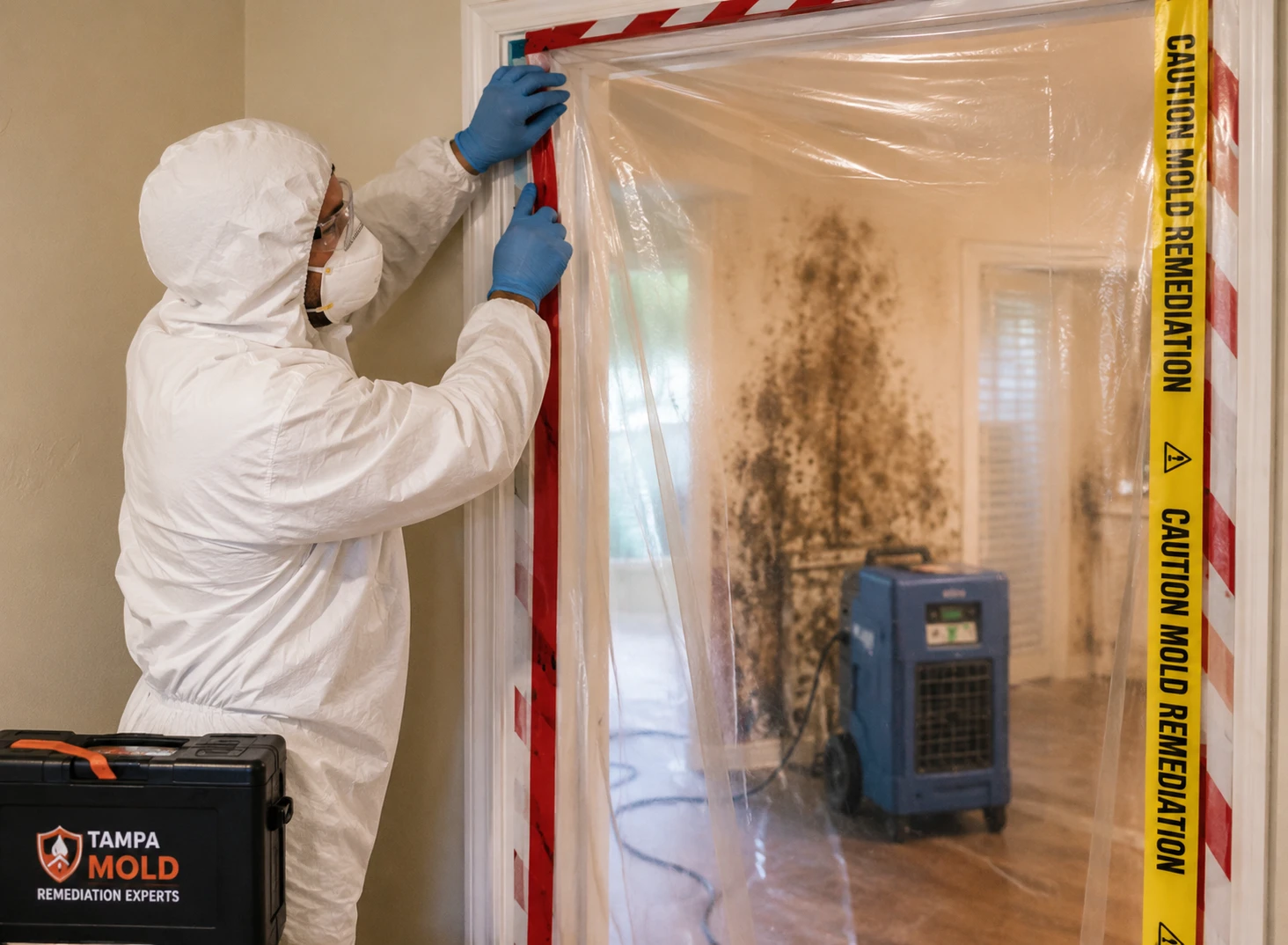
We seal off the affected area to prevent spore spread, with extra care taken in historic layouts where original architectural detail needs protecting during the work itself.
Removal & Treatment
Contaminated materials are safely removed and treated with antimicrobial solutions, with attention to historic district considerations around original siding, trim, and finishes wherever they're present.
Moisture Source Correction
We identify what's actually feeding the mold — a porch-roofline leak, aging stucco, or slow drying under heavy tree canopy — because removing mold without fixing the source just means it returns.
Verification
We confirm the area is genuinely clear before calling the job complete.
For full technical detail on our process and equipment, see our mold remediation & removal page — this page focuses on what's specific to Hyde Park properties.
Our Services for Hyde Park Properties
Mold Inspection & Testing
Identifying hidden moisture in historic homes and Hyde Park Village commercial spaces
Learn more →Black Mold Removal
Safe removal from Queen Anne, Colonial Revival, and Mediterranean-style homes
Learn more →Water Damage Restoration
Response to porch, roof, and window-related leaks in century-old construction
Learn more →Water Extraction & Mitigation
Fast water removal for storm and plumbing events near Bayshore Boulevard
Learn more →Odor Removal
Addressing musty odors common under heavy tree canopy and in older construction
Learn more →Air Quality & Purification
Post-remediation air scrubbing for occupied historic homes and SoHo businesses
Learn more →Residential & Commercial in Hyde Park
Hyde Park is predominantly residential, but Hyde Park Village and the South Howard Avenue corridor add a genuine commercial dimension — boutiques, restaurants, and offices operating out of buildings with their own age and construction considerations. We handle both: residential mold jobs tied to a home's historic construction, and commercial jobs where fast response protects ongoing business operations.

Get a Free Inspection in Hyde Park
If you own property in Hyde Park — a Queen Anne original, a Mediterranean estate, or a business in the Village or along SoHo — a free inspection tells you exactly where you stand. We know what to look for in this neighborhood's construction, and we'll tell you honestly what we find.
Why Hyde Park Trusts Us
Meet Your Mold Specialists
Every black mold remediation project is handled directly by a licensed, certified professional — not an untrained subcontractor.
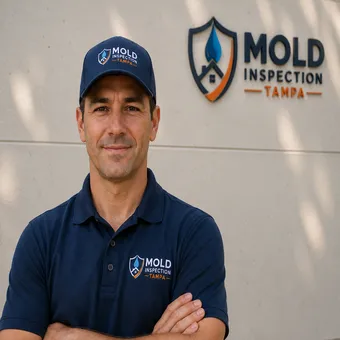
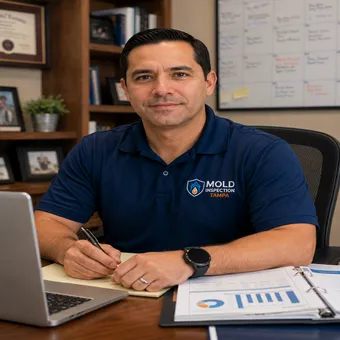
Michael Carter
Founder & Lead Mold Remediation Specialist
- 12+ years mold remediation experience
- IICRC-Certified Technician
- Florida Licensed & Fully Insured
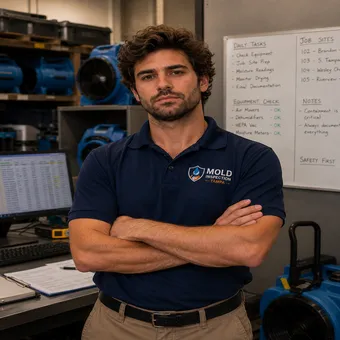
Daniel Rodriguez
Operations Manager
- Oversees all remediation projects
- IICRC-Certified
- EPA-Compliant Practices
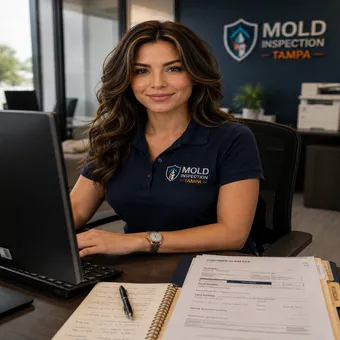
Ryan Mitchell
Senior Restoration Technician
- Specialist in containment & removal
- IICRC-Certified Technician
- EPA-Compliant Practices
Jessica Adams
Customer Success Manager
- Single point of contact for all clients
- Insurance claim documentation support
- 12+ years customer service experience