Water in Your Property Right Now?
If you need emergency water extraction in Tampa, here's what matters most in the next few minutes:
If it's safe, shut off the water source
the main valve for a burst pipe, or the appliance itself for a failed washer or water heater.
Cut power to any area near standing water at the breaker if you can do so safely.
Never enter standing water near outlets or appliances.
Start removing what you safely can
towels, a wet/dry vac for small amounts — while you wait for extraction equipment that can handle more.
Call for professional extraction.
The longer water sits, the more it spreads into subflooring, baseboards, and wall cavities where it's harder — and more expensive — to dry out.
Call now for emergency extraction: (813) 845-8355
Call Now: (813) 845-8355Water Extraction vs. Water Mitigation — What's the Difference?
These two terms get used interchangeably, but they mean different things, and knowing the difference helps you understand what's actually happening at your property. The water mitigation Tampa homeowners usually need covers both: extraction first, then the drying and monitoring that keep mold from starting.
Water Extraction
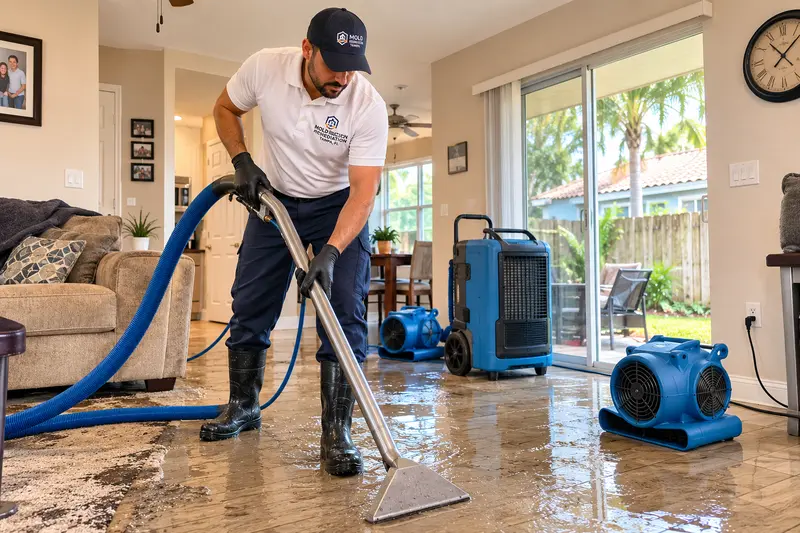
the physical removal of standing water — the first, most urgent step. Using industrial pumps and extraction equipment, we pull out water from floors, carpets, and any pooled areas before it can spread further.
Water Mitigation
the broader emergency response that extraction is part of. It covers everything done in the critical first hours and days to stop damage from getting worse: extracting water, detecting hidden moisture, structural drying, and applying antimicrobial treatment to prevent mold. Mitigation stabilizes your property — it's the difference between 'the immediate crisis is handled' and 'everything is fully rebuilt.'
Full Restoration
repairing or replacing drywall, flooring, and finishes — is a separate phase that comes after mitigation, once the structure is fully dry.
And if you hear the word “remediation” — that usually means mold remediation: the contained removal of mold itself. It's a separate service for when water sat long enough for mold to start.
Why Every Hour Matters
Water damage doesn't sit still. In Tampa's climate — average humidity around 74% year-round — the window between 'wet' and 'moldy' is short. Standing water left sitting also attracts mosquitoes and rodents — another reason extraction can't wait.
Category can escalate the longer water sits.
Clean water (Category 1) from a supply line can degrade into contaminated gray water (Category 2) within roughly 24 to 48 hours if it isn't extracted, as it picks up contamination from the materials and environment around it. What starts as a straightforward extraction job can turn into a more complex, more expensive one simply because of delay.
Materials absorb water fast.
Drywall, subflooring, and baseboards wick up water well beyond what's visibly wet, and that hidden moisture is exactly what feeds mold growth days later — even after the surface looks dry.
Mold doesn't wait for you to decide.
In Tampa's humidity, mold can begin developing within 24 to 48 hours of water exposure. Fast extraction and drying is the single biggest factor in whether a water event stays a manageable job or turns into a mold remediation project on top of it.
The Cost of Delaying Water Extraction
What Fast Extraction Saves
Signs You Need Water Extraction in Tampa
Water damage isn't always a burst pipe. Here are the signs Tampa homeowners call us about most:
Visible Water Stains or Discoloration
Water pooling or yellowing stains on ceilings, walls, or baseboards indicate water is actively traveling through structural materials. Prompt extraction stops moisture from penetrating deeper into cavities and subflooring.
Musty or Damp Odors
An earthy, sour smell is often the earliest sign of trapped moisture beneath floors or behind drywall. Where there is trapped water in Tampa's climate, mold colonies develop quickly without rapid extraction.
Warped, Buckled, or Soft Flooring
Hardwood cupping, laminate swelling, or tiles loosening mean water has saturated the underlayment. Professional extraction removes moisture from deep within the substrate before irreversible structural deterioration occurs.
Unexplained Water-Bill Spikes or Warm Floor Spots
Hidden plumbing breaks and slab leaks in Tampa's high-water-table soils often create warm areas on floors or sudden bill increases. Specialized detection and extraction resolve the source before widespread damage arises.
Common Causes of Water Damage We Respond To
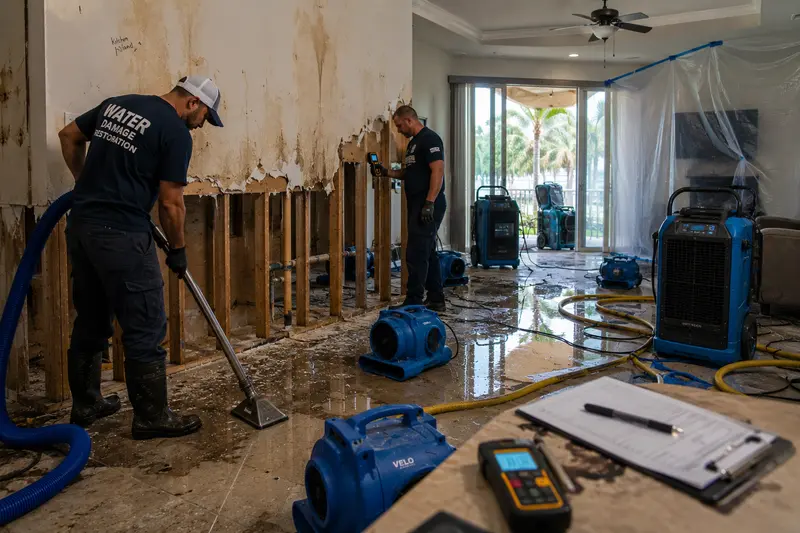
Burst pipes and plumbing failures — sudden, high-volume water loss that can flood a space in minutes
Storm and hurricane flooding — wind-driven rain and storm surge pushing water in through roofs, windows, and low points. Much of downtown, the Channel District, and Westshore sit in FEMA flood zones A and AE — high-risk surge zones where properties flood first during tropical systems. That's also why flood water extraction in Tampa follows stricter protocols than a clean indoor leak.
Appliance failures — washing machines, dishwashers, and water heaters with failed hoses or connections
Roof leaks — often slow and hidden until they've already saturated attic insulation and ceiling drywall
Sewage backups — contaminated Category 3 water requiring specialized handling, never a DIY situation
Slab leaks — common in Tampa's high-water-table areas, often showing up as a warm or damp spot on flooring before anything is visibly wet
Our Emergency Extraction & Mitigation Process
Water damage mitigation in Tampa starts with extraction — here is the full sequence:
Inspection & Moisture Mapping
We assess the scope using moisture meters and thermal imaging to find water that isn't visible — behind walls, under flooring, inside cavities — not just what's pooled on the surface.
Water Extraction
Standing water comes out first, using extraction equipment sized to the job — from smaller portable units for a single room to higher-capacity equipment for larger losses. Extracted water is transported to tanks and discarded at proper disposal sites.
Structural Drying
Commercial dehumidifiers and air movers are placed based on the moisture readings, not guesswork. Drying balances airflow, temperature, and humidity to pull moisture out of materials safely rather than just moving air around the room. Structural drying Tampa homes need after a flood usually takes a few days of controlled airflow and dehumidification before readings meet a verified dry standard.
Daily Monitoring
We track moisture levels daily and adjust equipment placement as materials dry, documenting progress until every affected material meets a verified dry standard — not just 'feels dry.'
Cleaning & Mold Prevention
Antimicrobial treatment is applied to affected areas to address bacteria and prevent mold growth before it starts, not after.
Documentation for Your Insurance
Every step — moisture readings, photos, equipment logs — is documented in a way that supports your insurance claim, whether direct carrier billing is coordinated or you're handling the claim yourself.
Residential & Commercial Water Extraction
Extraction needs differ by property — the right response depends on it.
Residential Water Extraction in Tampa
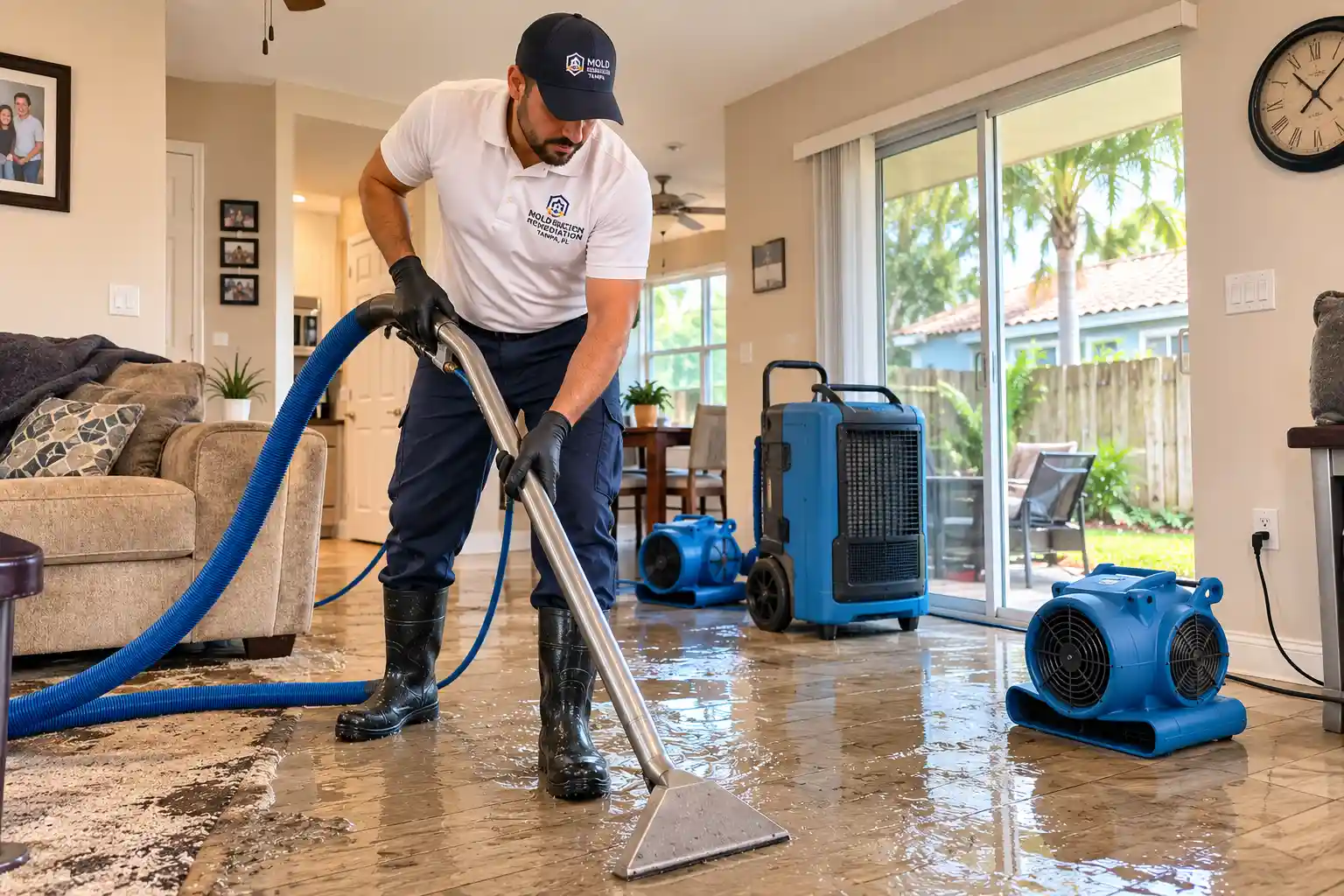
Residential jobs are usually tied to a single event — a burst pipe, a storm leak, an appliance failure — affecting one or a few rooms.
- Contained work so the rest of your home stays livable
- Moisture mapping finds water behind walls and under floors
- Mold prevention built into every job
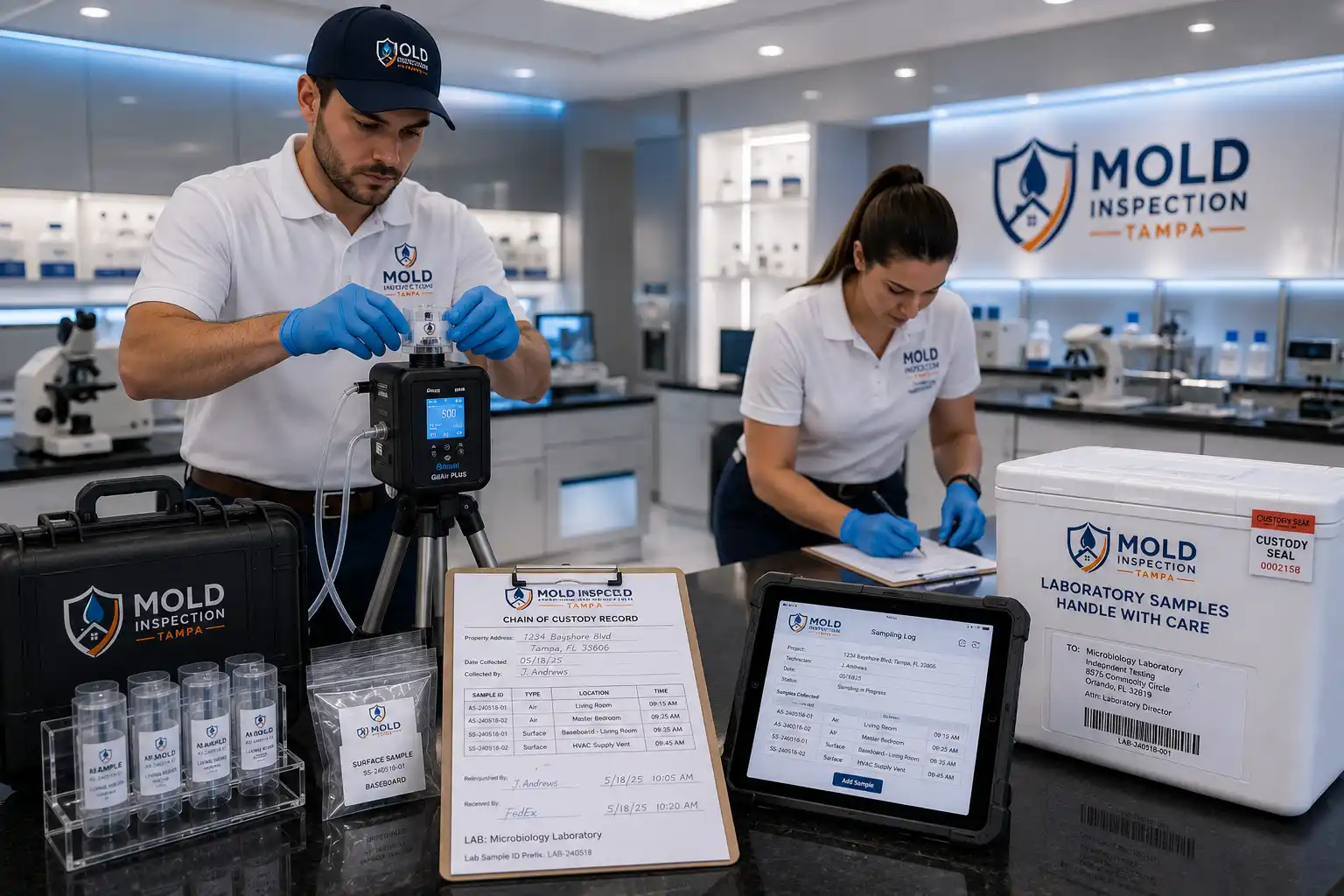
Commercial Water Mitigation in Tampa
Commercial water losses demand faster turnaround to limit business interruption — and the scale to handle larger spaces.
- Apartments, condos & HOAs · schools & universities · churches · hotels & resorts · restaurants · offices · medical facilities · industrial & warehouses
- Work scheduled around your operations — after-hours and weekends where possible
- Documentation that supports business-interruption claims
What This Doesn't Include (and Why That's Worth Knowing)
Being upfront about scope matters here. Mitigation stabilizes your property — it stops the damage, dries the structure, and prevents mold. It does not include rebuilding: replacing drywall, installing new flooring, painting, or reconstruction. That's a separate phase, typically requiring different licensing and trade skills than mitigation work itself.
Knowing this upfront means no surprises about what happens once your property is dry.
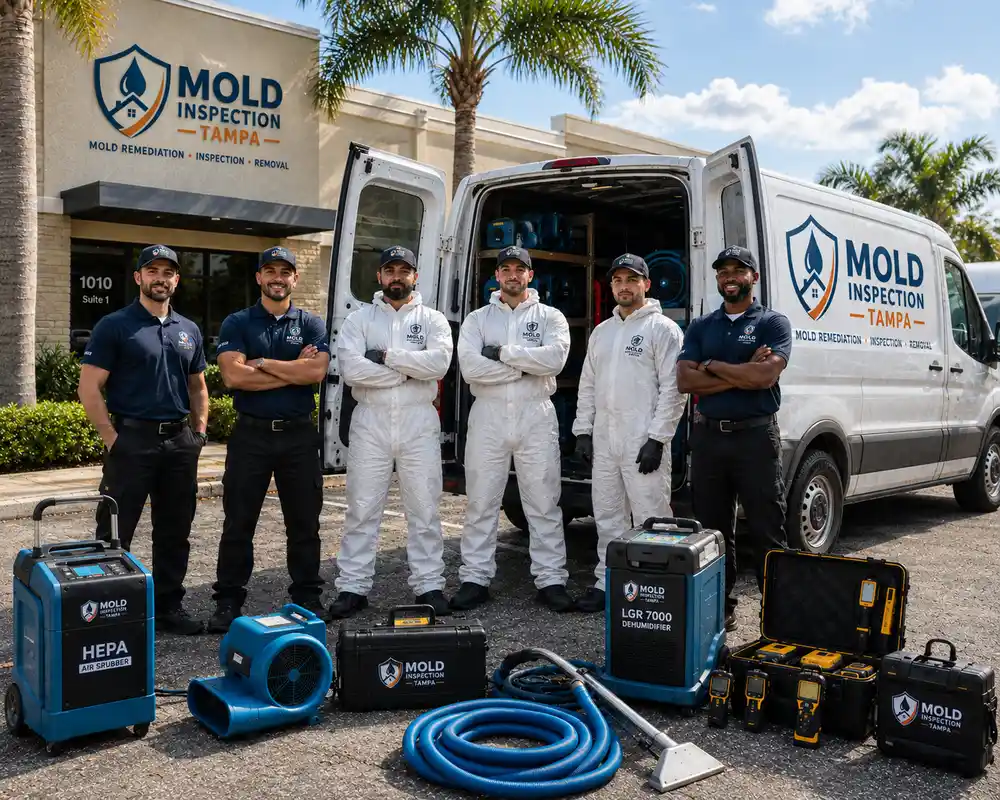
After Extraction: Preventing This From Happening Again
A few practical steps reduce the odds of a repeat event:
Know your main water shut-off valve location before you need it in an emergency
Inspect washing machine hoses, water heater connections, and under-sink lines periodically for wear
Clear gutters and downspouts so rainwater drains away from your foundation rather than pooling near it
Have your roof checked after major storms for damage that isn't visible from the ground
What Affects Water Extraction & Mitigation Costs
Every loss is different, so honest pricing depends on a few factors:
Volume of Water & Rooms Affected
Standing water contained to a single utility room requires far less equipment and extraction time than a widespread flood affecting multiple finished rooms, hallways, and living areas across multiple levels.
Category of Water
Clean supply-line leaks (Category 1) require standard extraction and drying. Gray water from appliances or black water from storm surge or sewage requires intensive containment, specialized sanitization, and strict disposal protocols.
Materials Affected
Porous materials like carpet padding, drywall, and insulation absorb moisture aggressively and may require controlled removal, whereas tile, sealed concrete, and structural framing can often be dried in place.
Drying Time in Tampa's Humidity
High ambient humidity prolongs structural evaporation rates. Dense structural hardwoods, enclosed subfloors, and multi-layered assemblies require extended high-capacity dehumidification cycles and continuous monitoring until verified dry standards are met.
We assess first and give you a clear, itemized estimate before any work begins — and we bill your insurance directly.
Get Emergency Help Now
Standing water doesn't wait, and neither should you. The longer it sits, the more it spreads — and the more it costs to fix. Local specialists respond fast, extract what's there, and start drying before the damage gets worse.
What to Expect
CERTIFIED & RECOGNIZED BY


Recent Work — Before & After
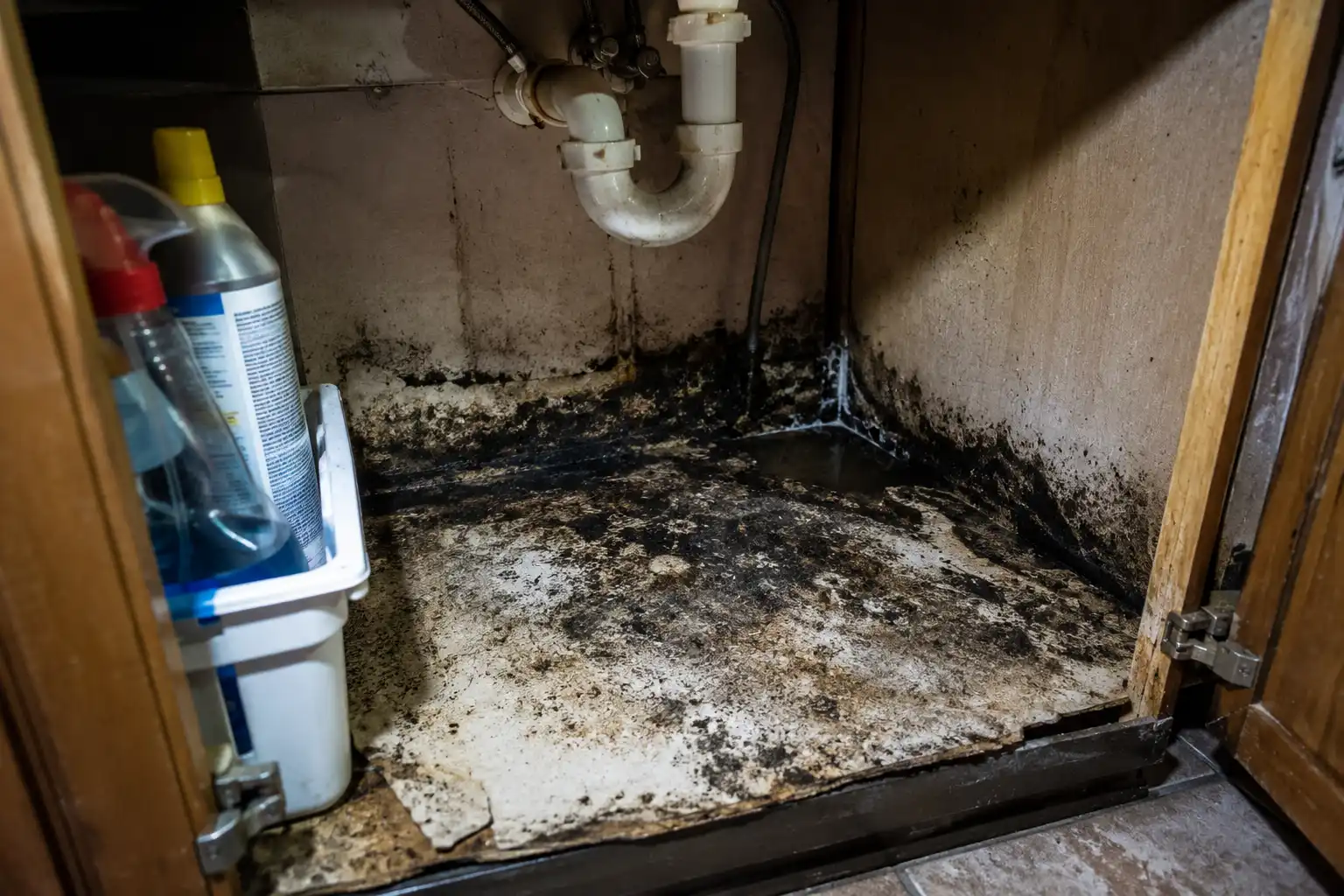
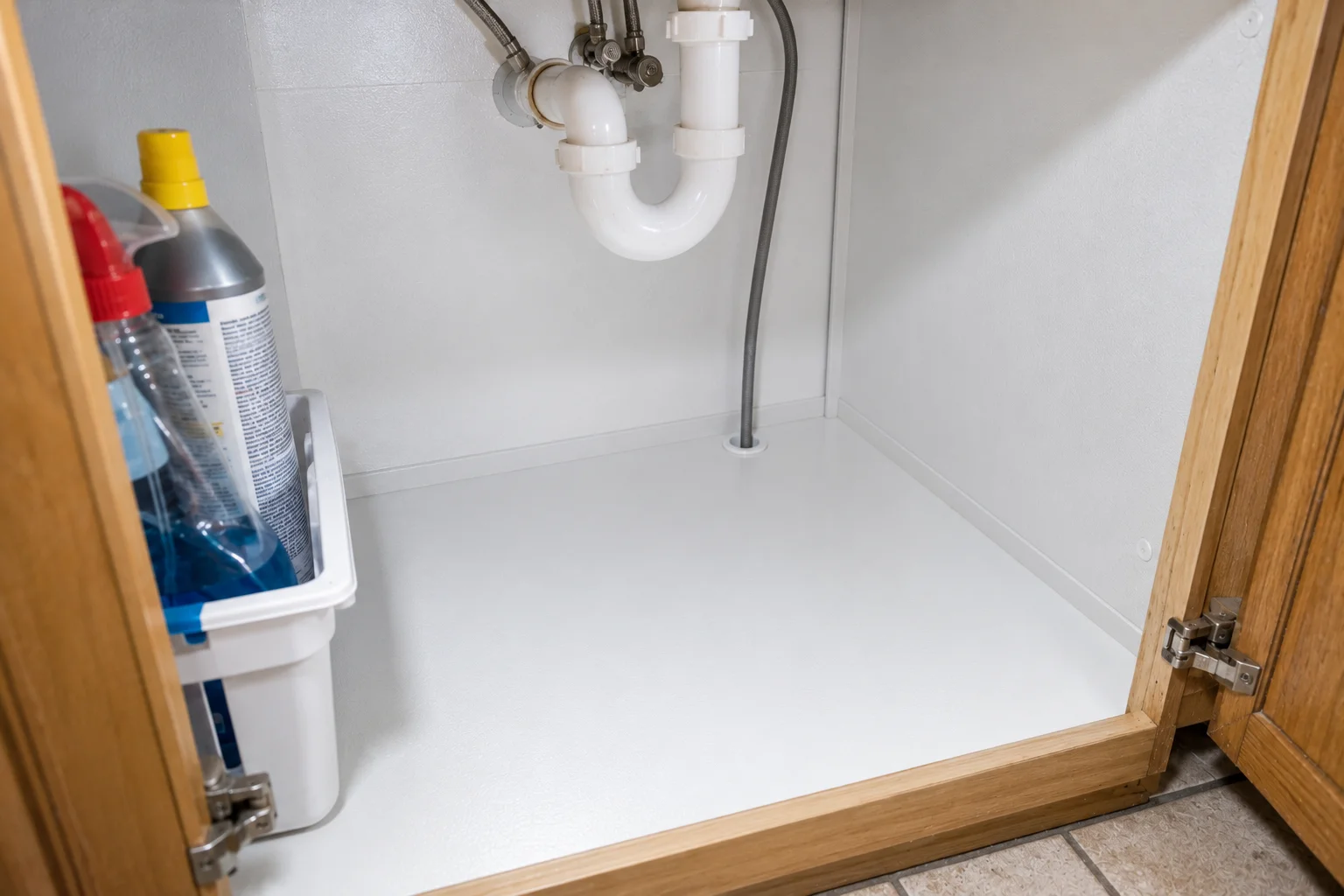
Drag the slider on any of the projects below to view structural transformations achieved by our Tampa remediation crews.
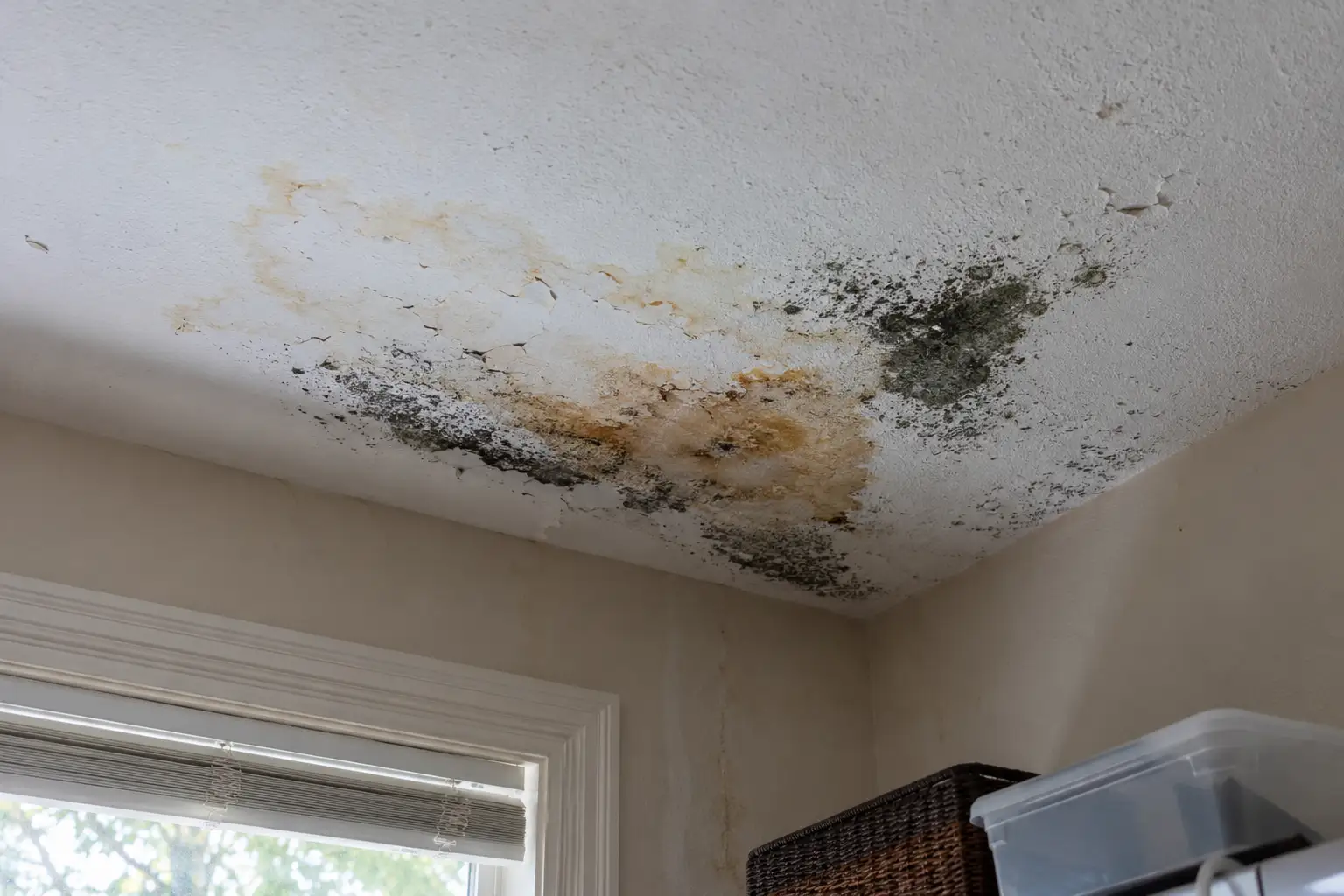
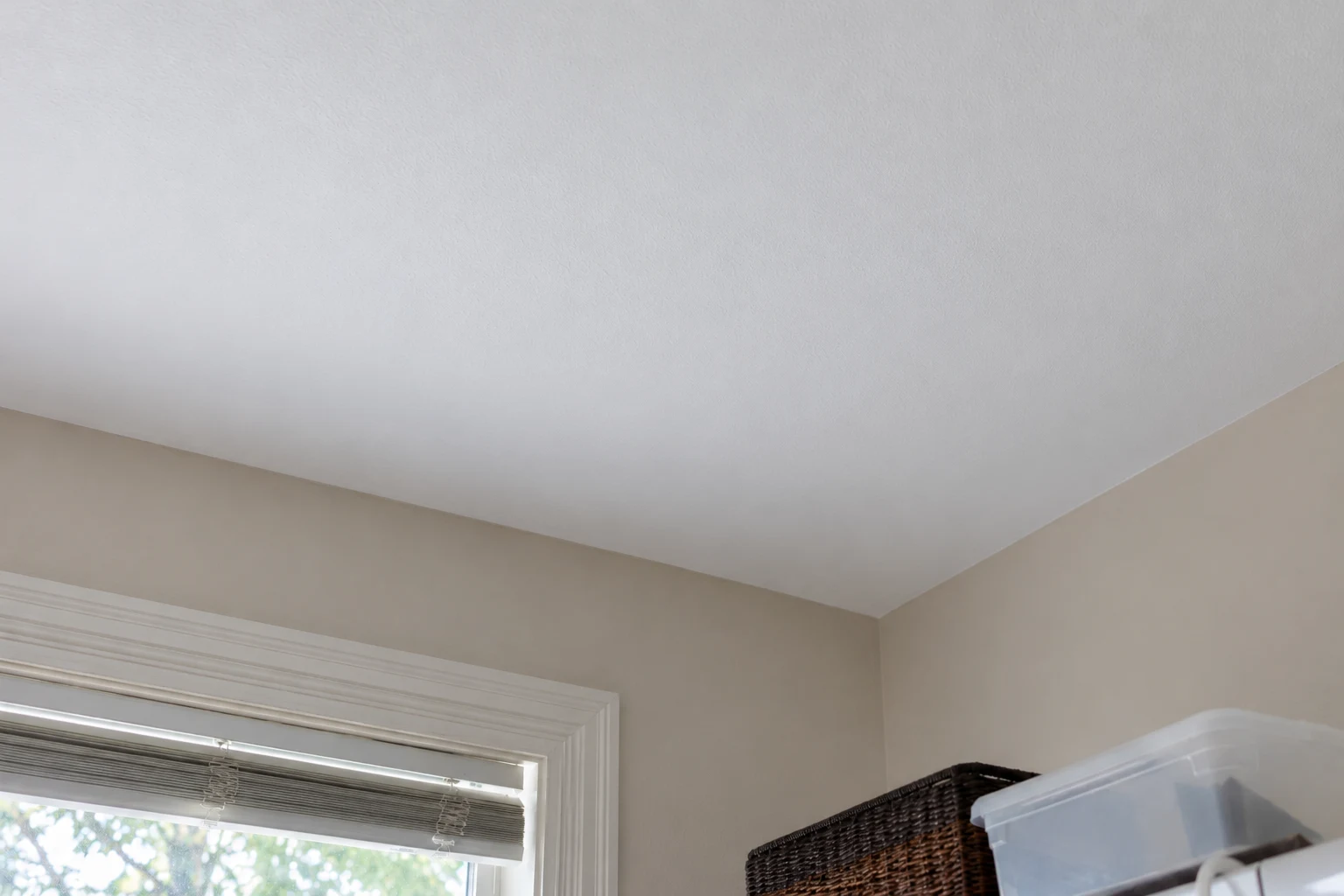
Attic Mold Remediation in South Tampa
Crawl Space Moisture Mitigation in Davis Islands
What to Ask Before Hiring a Water Mitigation Company in Tampa
Not every company works the same way. Before you authorize any extraction or mitigation job — with us or anyone — ask these questions:
What's the real scope?
Look for moisture mapping with precision moisture meters and infrared thermal imaging cameras — finding water trapped behind walls and under floors, not just what's visibly pooled on the surface.
What equipment will you use?
Equipment should be sized to the job — portable units for a single room, higher-capacity equipment for larger losses.
How will you verify it's actually dry?
Insist on daily measured moisture readings tracked against dry baseline standards for each material, not just visual inspection or guessing that something “feels dry.”
How do you prevent mold?
Antimicrobial treatment should be built into every job from day one — preventing mold before it starts, not after.
How do you document for insurance?
Photos, moisture logs, and equipment logs — organized the way adjusters need them to approve a claim.
What warranty backs the work?
We stand behind our professional water mitigation work with a dedicated 7-year workmanship warranty for your complete peace of mind.
Frequently Asked Questions
Our Other Tampa Restoration Services
Extraction and mitigation handled — here's what else our Tampa team takes care of, from full restoration to long-term indoor air quality.
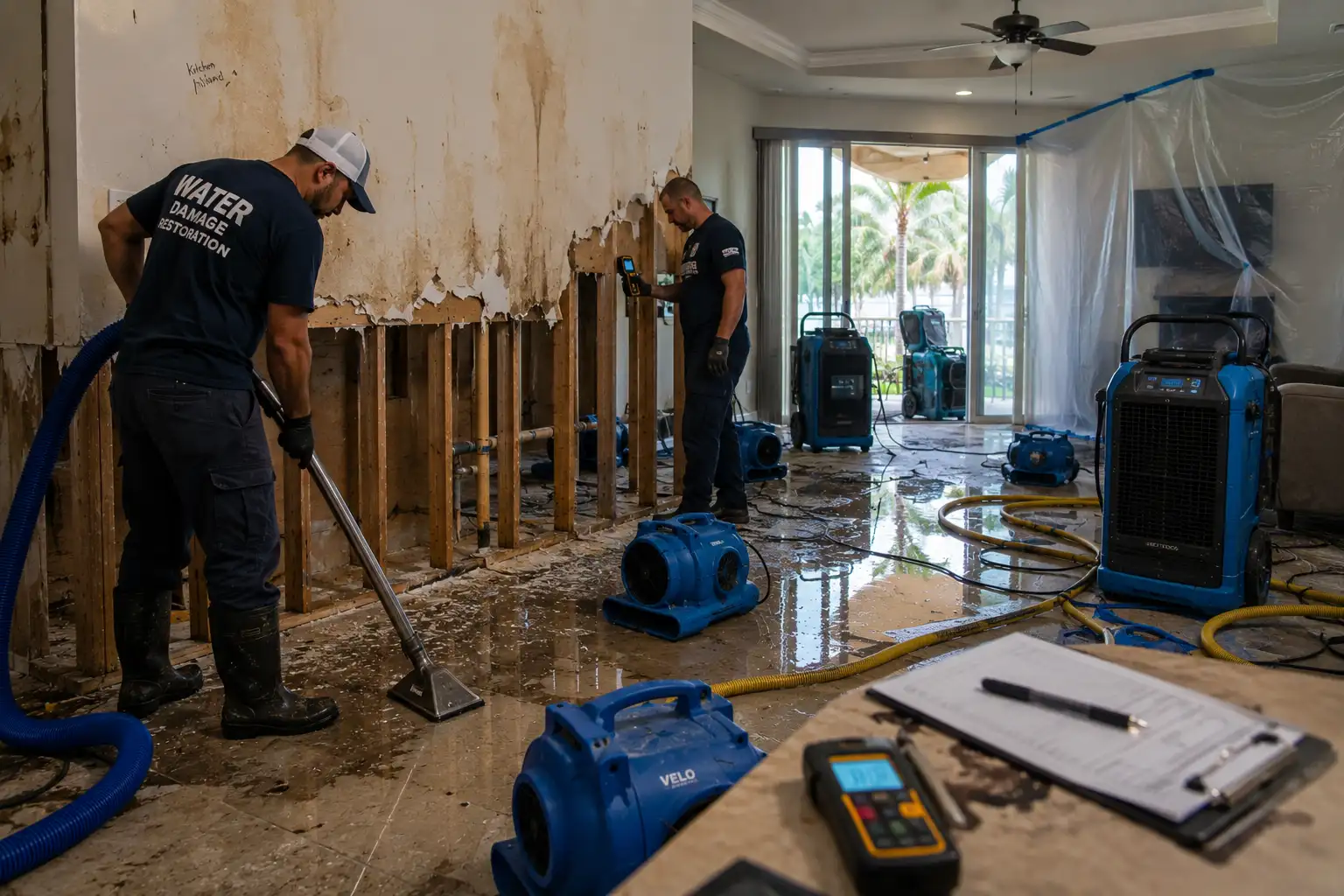
Water Damage Restoration & Cleanup
Need the full water damage restoration job in Tampa? When extraction isn't enough, our complete water damage restoration service in Tampa takes your property from wet to fully restored.
Water Damage Restoration in Tampa, FL →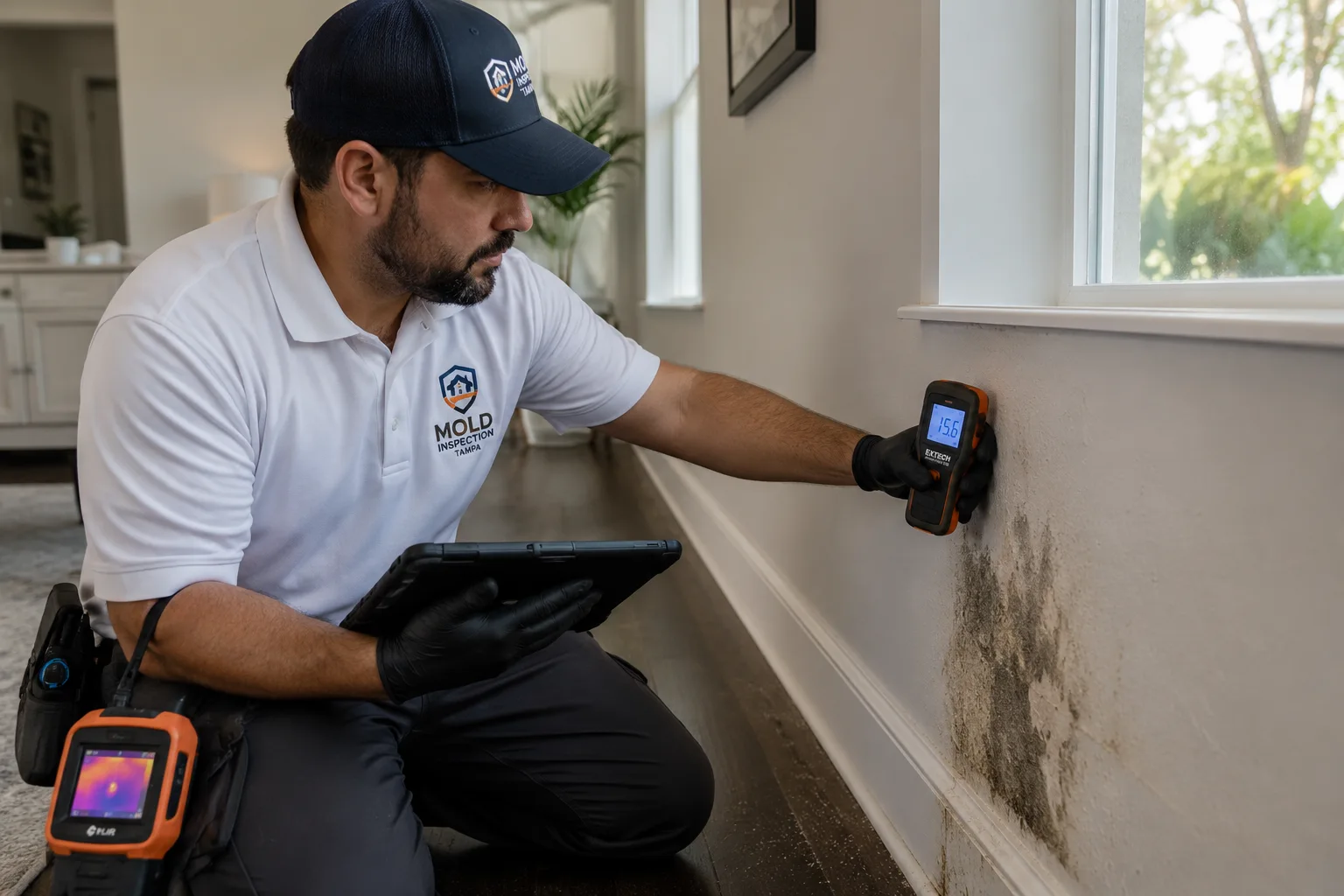
Mold Inspection & Testing
Worried water reached places you can't see? Our detailed inspection with lab testing finds hidden moisture and mold before it spreads.
Mold Inspection & Testing in Tampa, FL →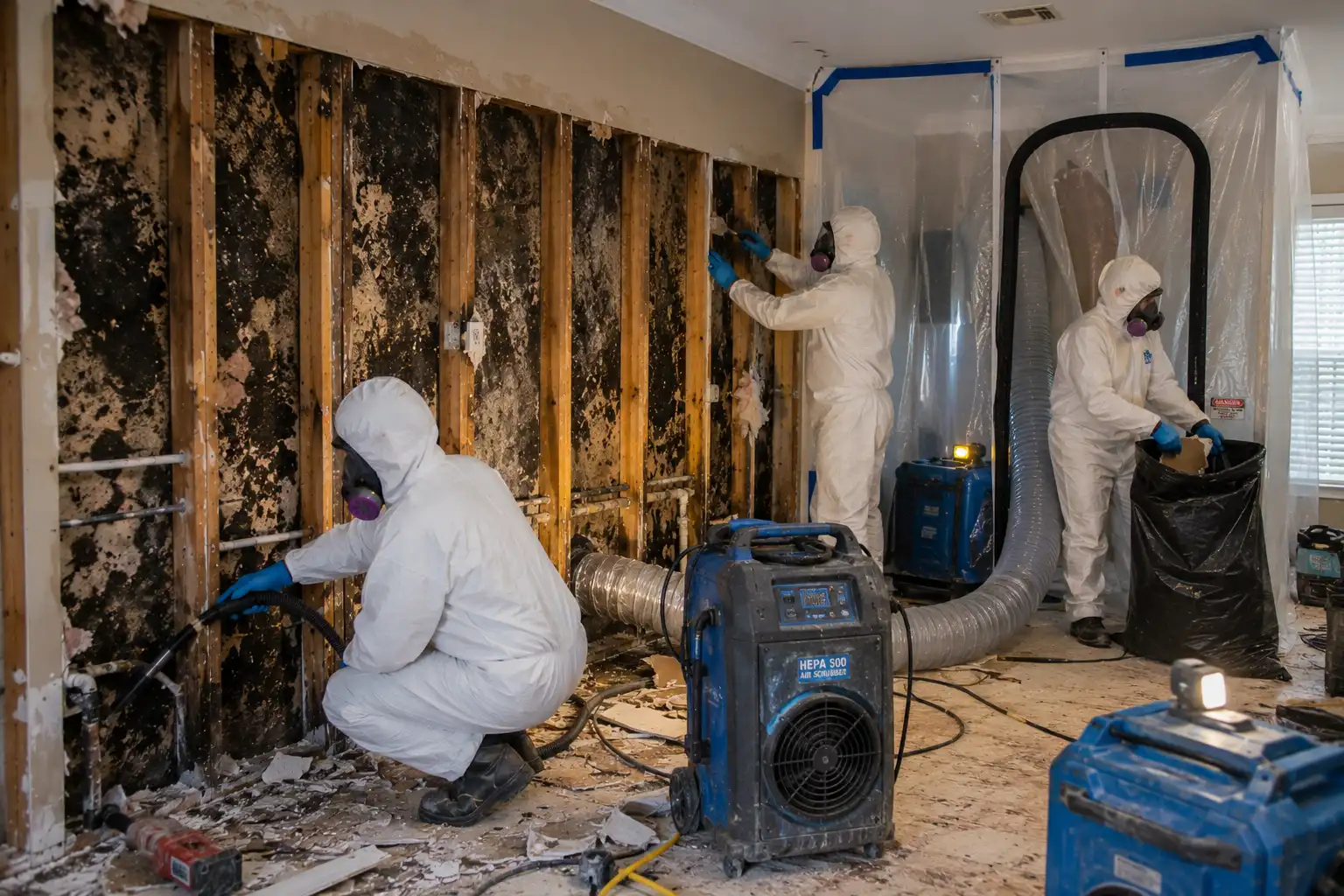
Black Mold Removal
Mold started after water sat too long? We remove it safely with full containment and moisture-source correction.
Black Mold Removal in Tampa, FL →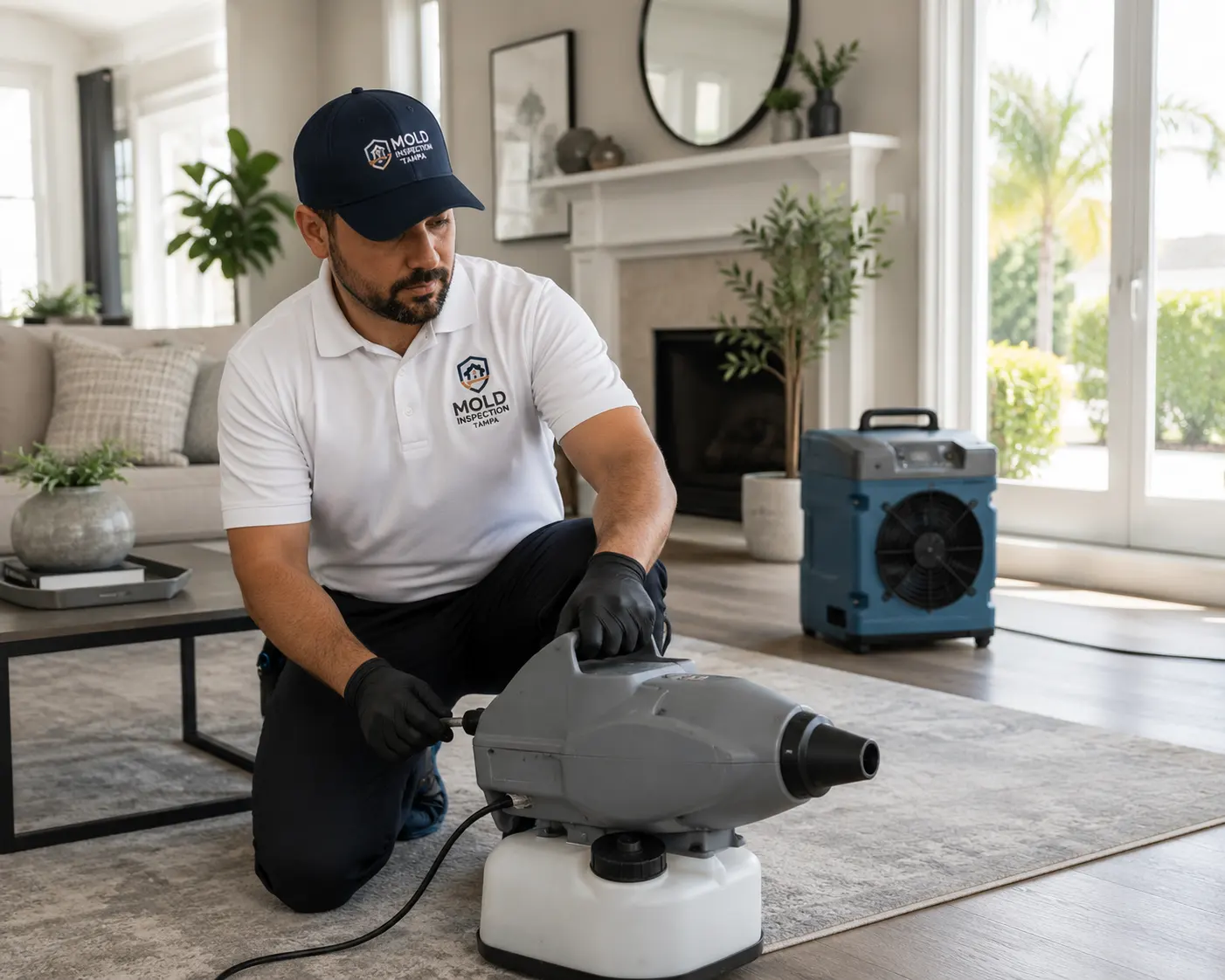
Odor Removal
Musty smell after drying? We eliminate odors at the source — not just mask them.
Odor Removal in Tampa, FL →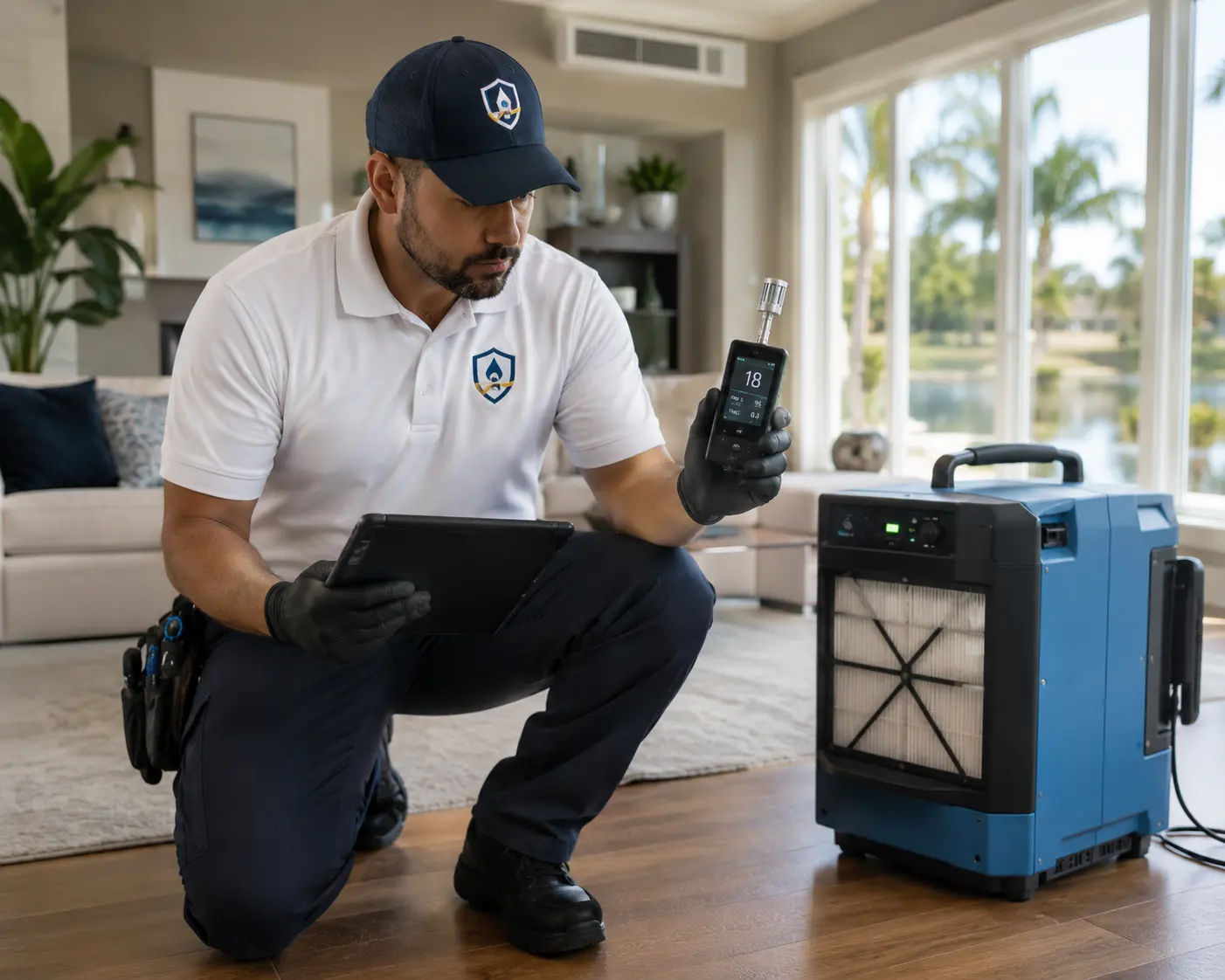
Air Quality & Purification
After mitigation, HEPA air scrubbers clear airborne contaminants and restore healthy indoor air.
Air Quality & Purification in Tampa, FL →