Is This the Service You're Looking For?
Before we go further, it's worth being clear about what this page covers, because “air quality” gets used for a few different things. If you are comparing an indoor air quality service in Tampa, here is exactly what our specialized treatment addresses — and when a different trade is the right fit:
Mold Spores, Musty Air & Post-Remediation (This Is Us)
If you're worried about mold spores, musty air, or the air quality after a water leak or remediation job — that's exactly what this page covers. Keep reading. One honest limit: purification clears the air, not the surface — if there's visible mold growth, that needs physical remediation first.
Air Quality Testing & Lab Analysis
If you're looking for a lab test to measure exactly what's in your air (VOCs, spore counts, mycotoxins), that's air quality testing, which is a distinct service from purification — see our mold inspection and testing page.
Outdoor Air Quality Alerts & Regional Smoke
If you're dealing with an outdoor air quality alert, ozone warning, or Saharan dust advisory — that's regional/ambient air pollution tracked by the Florida DEP, not something an indoor air purification service treats. Those alerts are about outdoor conditions, unrelated to what's circulating inside your home.
HVAC Duct Cleaning & Filter Installation
If you need duct cleaning, filter installation and replacement, a new HVAC filter system installed, or your air conditioner repaired — that's HVAC contractor work, a different trade from what we do. We're happy to point you toward that if it's what you actually need.
If you're concerned about radon — a naturally occurring radioactive gas found in roughly 1 in 5 Florida homes — that's a separate issue from mold and moisture. Air purification doesn't remove radon; radon testing and mitigation is its own specialty, and we'll tell you straight if that's what you actually need.
Why Indoor Air Quality Matters More in Tampa
EPA research commonly cites indoor air quality as one of the top environmental health risks facing property owners today. Considering that people spend more than 90% of their time indoors, indoor air can actually be up to 10 to 100 times more polluted than outdoor air.
Florida's climate makes indoor air a bigger issue here than in most of the country. Average relative humidity in Tampa runs around 74% year-round, and anything above roughly 60% creates conditions where mold, mold spores, and bacteria multiply and stay airborne longer than they would in a drier climate. Building scientists identify 45% to 55% as the ideal indoor relative humidity range for preventing biological amplification.
That matters because mold doesn't need to be visible to affect the air you breathe. When a colony is disturbed — during cleanup, a renovation, or even just airflow from your AC — it releases microscopic spores that stay suspended in the air and recirculate through your home's ventilation system. You can clean every visible surface and still have a property with compromised air quality if that airborne step gets skipped.
Everyday household activities like cooking, hot showers, and mopping constantly release moisture into the living environment. When paired with Tampa's 74% ambient baseline, there is virtually zero margin of safety before indoor humidity spikes into mold-friendly territory. In addition, Tampa properties face high seasonal pollen surges — particularly from live oaks in early spring and ragweed through autumn — which load cooling systems with organic dust that nourishes microbial colonies.
Active dehumidification that pulls indoor relative humidity below roughly 60% removes the primary moisture reservoir that airborne spores require to survive and reproduce. Sustained elevated humidity doesn't just degrade the air; it causes lasting structural damage to the property itself — warping hardwood floors, swelling architectural trim, deteriorating drywall, and damaging fine furniture and interior fabrics.
People often connect the dots only after symptoms show up: persistent allergy-like symptoms, unexplained fatigue, or respiratory irritation that improves when they're away from the property. If you or your family have been dealing with symptoms like that without an obvious cause, indoor air is a reasonable thing to have looked at.
Leaving for the season? Tampa's snowbirds come home to a familiar surprise: months of closed-up, humid indoor air with the AC off is exactly the combination where mold gets a head start. An air assessment before you lock up — or right after you return — catches what those quiet months grew while you were gone.
Signs Your Indoor Air May Need Professional Treatment
Indoor air quality issues rarely announce themselves with dramatic visual damage right away. If you notice any of these six warning signs in your Tampa home or commercial facility, airborne contaminants may already be recirculating:
Musty smell when the AC kicks on
A persistent stale or earthy odor coming from air vents whenever the blower fan engages indicates active spore activity inside ductwork or near the evaporator coil.
Lingering odors that don't go away with cleaning
Persistent odors that resist regular cleaning and airing out often point to microscopic compounds settled deep into porous walls and furnishings — explore our odor removal services.
Allergy-like symptoms worse indoors
Congestion, sneezing, coughing, or sinus headaches that intensify inside your home but noticeably lift when you leave for the day.
Visible dust returning to surfaces within days
Heavy dust layers accumulating on tables, baseboards, and window sills within 48 to 72 hours of thorough cleaning point to filtration bypass or high airborne particulate levels.
Dry, irritated eyes, nose, or throat while indoors
Scratchy throat, burning eyes, or airway irritation occurring indoors without a seasonal cold or viral illness.
A recent leak or remediation job with no air treatment
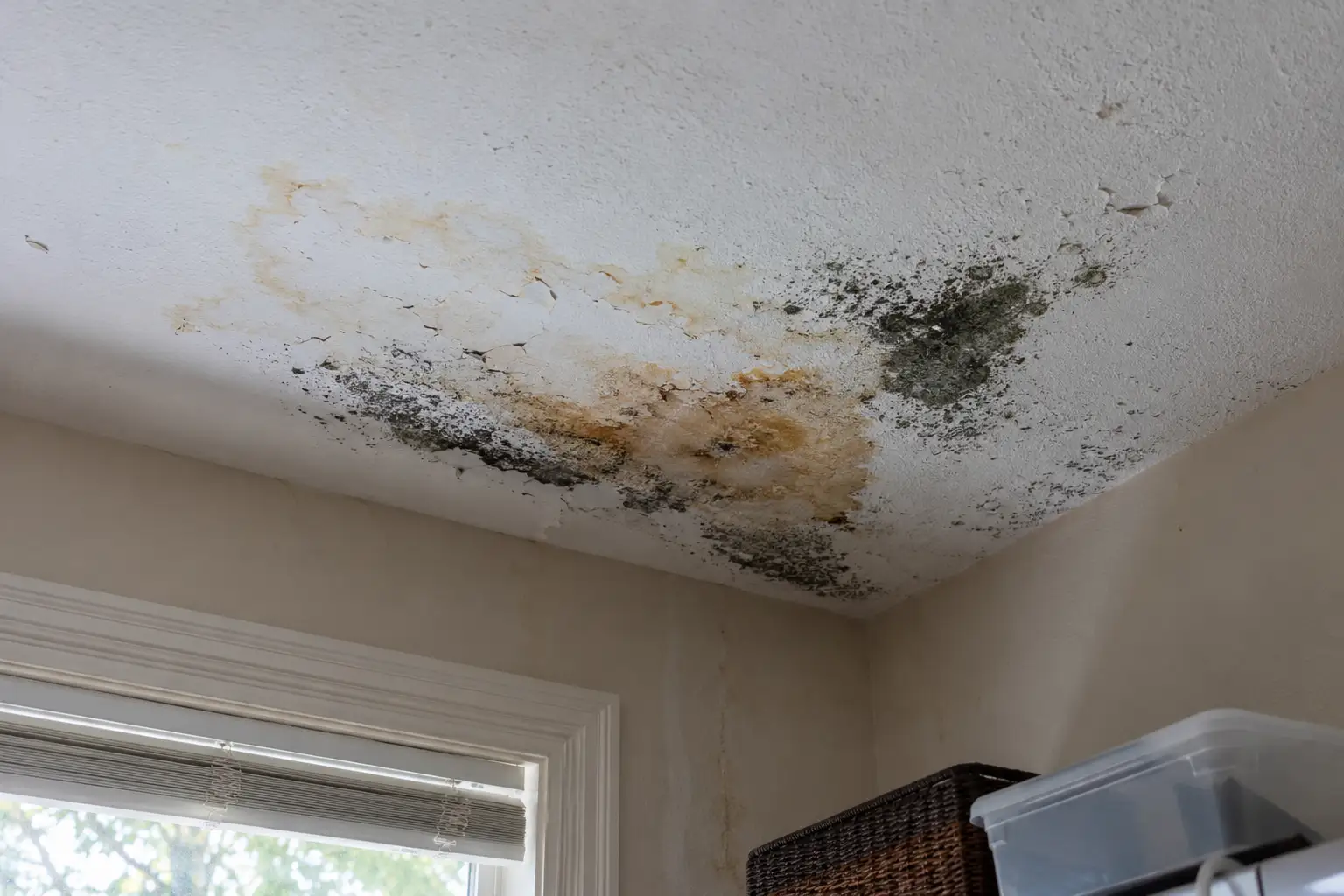
Water damage, plumbing leaks, or mold removal projects where materials were dried or repaired but the air volume was never scrubbed with commercial HEPA units.
What's Actually in the Air After Water Damage or Mold
This is the part most people don't think about until it's explained to them. Visible mold removal and air purification solve two different problems.
When mold is physically removed from a wall or surface, that's the source being addressed — but any spores already released into the air during that process, or during the original growth period, don't just disappear. They're weightless, invisible, and small enough (roughly 1 to 20 microns) to stay suspended in the indoor breathing zone — the air at the height your family actually breathes — and travel through your HVAC system into rooms that were never directly affected. These suspended particles can include common indoor molds like aspergillus, fine dust-mite debris, and bacteria that settle throughout living quarters. Water damage adds another layer: elevated humidity in the air itself, plus mold-related odor compounds (MVOCs) and volatile organic compounds (VOCs) released by damp building materials that linger even after materials are dried.
Professional air purification combined with active humidity control serves as vital prevention, not just post-loss cleanup. Addressing airborne loads immediately after any water damage restoration project prevents dormant fungal fragments from landing on organic substrates and establishing secondary colonies.
That's why professional restoration treats air purification as a required final step, not an optional add-on — wiping down surfaces stops the growth, but it doesn't clear what's already airborne.
How Air Purification Works
An air purifying service that skips the assessment step is guessing; ours starts there. Our commercial air purification service follows a structured, multi-phase protocol developed for restoration environments. Rather than using small consumer air gadgets, we deploy commercial-grade air filtration service equipment to continuously scrub the entire cubic air volume until healthy baseline conditions are verified.
Assessment
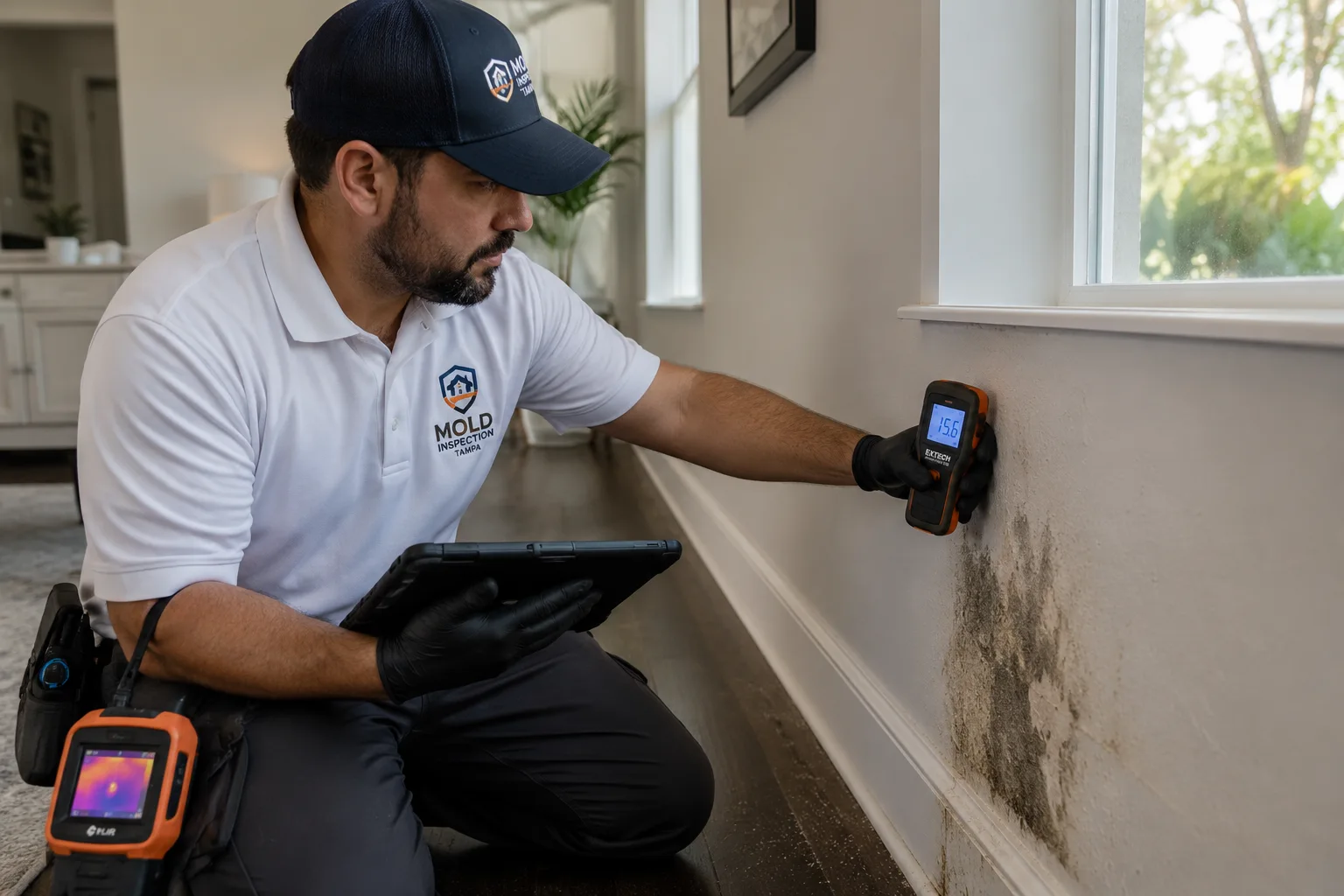
We evaluate the affected space, the scope of the mold or water-damage event, and whether containment or negative air pressure is needed to prevent cross-contamination during treatment.
Containment (When Needed)
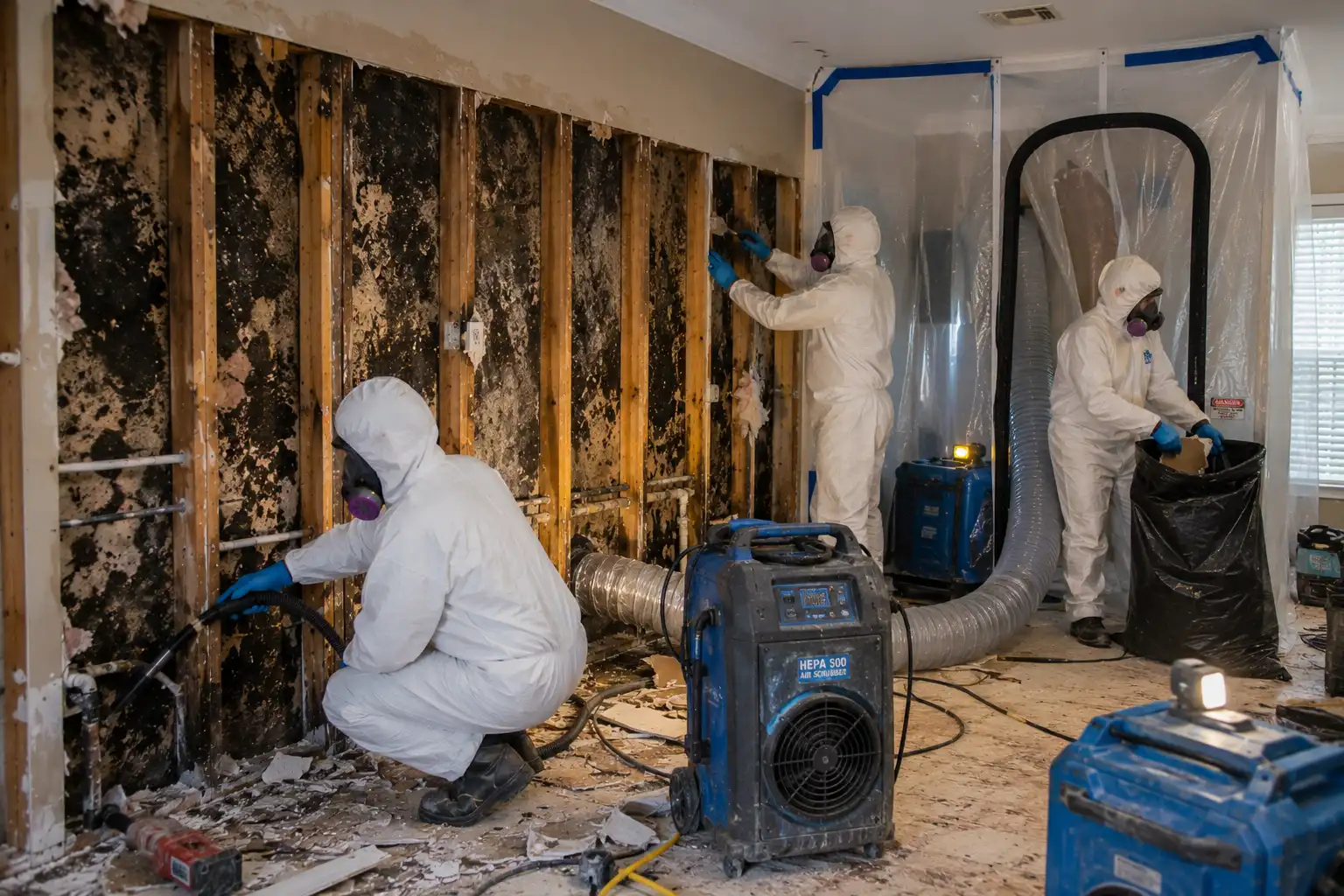
For active remediation jobs, we seal off the work area and use negative air pressure to pull contaminated air through filtration rather than letting it spread to unaffected rooms.
HEPA Air Scrubbing
Commercial-grade air scrubbers with certified HEPA filtration capture airborne particles down to 0.3 microns — well below the size of a typical mold spore — removing fungal fragments, fine dust, and bacteria from the air volume.
Extended Treatment
For post-remediation jobs, air scrubbing typically runs continuously for 24 to 48 hours to fully clear the air, rather than a single quick pass.
Filter & Vent Check
We check your HVAC system's filters and accessible vent components, since dormant spores resting in return lines can recontaminate a space that was otherwise successfully cleared. A loose or wrong-size filter lets contaminated air bypass filtration entirely — a common reason homes stay dusty or musty even after a standard filter change.
Independent Verification
Once scrubbing is complete, results can be verified with independent third-party clearance testing — the same verification standard used after mold remediation — so you're not taking our word for it.
What Makes This Different From a Retail Air Purifier
A lot of people ask this, reasonably, since air purifiers are sold everywhere now.
Consumer air purifiers — the kind sold at retail stores — are built for continuous, low-level filtration of everyday household air: dust, pet dander, normal allergens. They're genuinely useful for that. What they're not built for is an active mold or water-damage event, where the air needs a much higher-capacity, targeted treatment to bring spore counts down from an elevated level to a safe baseline quickly.
Commercial-grade HEPA air scrubbers move a far larger volume of air per hour, use certified filtration rated for fine particulates, and are deployed specifically to correct an existing contamination event — not to maintain already-normal air. Running a retail purifier during or after a mold job isn't wrong, but it's not a substitute for the higher-capacity equipment that actually resolves the problem.
Retail Air Purifier Service & Maintenance
A retail air purifier service plan (filter swaps and routine maintenance) is built for low-level background dust and pet dander, a different trade from event-based commercial treatment.
- • Everyday Maintenance: Captures larger airborne particles like surface lint and basic pet dander.
- • Standard MERV Ratings: Basic retail home filters sit low on the MERV scale (typically MERV 6–8) and catch only large debris, whereas commercial HEPA operates at 99.97% efficiency down to 0.3 microns.
- • Low Air Volume: Airflow is measured in small room increments, unable to exchange cubic air volume rapidly.
- • Contamination Limits: Ineffective against acute spore plumes released during water intrusions or structural demolition.
Commercial HEPA Air Scrubbing
Engineered specifically to remediate acute airborne contamination loads after mold or water events.
- Certified True HEPA: Certified filtration media captures microscopic mold fragments and fungal spores down to 0.3 microns with 99.97% efficiency.
- High-Velocity Air Exchange: Industrial blowers exchange the entire air volume of a room multiple times per hour under negative pressure containment.
- UV-C Disinfection: Our commercial systems pair HEPA filtration with UV-C treatment, which disrupts the reproductive cycle of microorganisms rather than just trapping them.
- Activated Carbon Filtration: For odor-heavy situations, our commercial treatment includes activated carbon filtration, which adsorbs odor-causing compounds from pets, cooking, or mildew that HEPA particle filtration alone doesn't capture — see our odor removal solutions.
No filter — retail or commercial — is a magic bullet that removes everything. What commercial treatment does is bring an elevated contamination load down to a normal baseline, fast.
What You Can Do Yourself to Maintain Clean Air
Professional treatment handles the event; daily household habits preserve the baseline. Small daily habits go a long way — exhaust fans, regular dusting, closed windows on high-pollen days. Here are proven steps every Tampa homeowner can take to protect indoor air:
Health Considerations
Poor indoor air quality doesn't affect everyone the same way, but certain groups are more sensitive to it: young children, older adults, people with asthma or existing respiratory conditions, and anyone with mold allergies or sensitivities. Common symptoms tied to elevated indoor mold or airborne contaminants include persistent coughing, sinus congestion, headaches, fatigue, and skin or eye irritation that tends to improve away from the property.
After the airborne load is properly treated through a professional indoor air quality service, people commonly report the indoor-triggered symptoms easing — which is usually when they realize the air was the problem all along.
We're not able to diagnose a health condition, and if you're experiencing ongoing symptoms, that's a conversation for a doctor. What we can do is address the air-quality side: identifying whether there's an active mold or moisture issue, and correcting the air itself once the source has been handled.
Residential & Commercial Air Purification
Our air quality services focus on the event-based treatment side: what happens after mold or water damage puts contamination into your air. We provide air purification for homes and businesses across Tampa. Residential jobs are usually tied to a specific event — a leak, a remediation project, a musty room. Commercial jobs, particularly in offices, retail spaces, and multi-unit buildings, often need faster turnaround to limit disruption, and may involve a larger air volume that requires more equipment running in parallel.
Residential Air Purification
Our home air purification services provide dedicated, high-capacity air scrubbing for single-family homes, historic bungalows, and multi-story residences throughout Tampa. When mold remediation or plumbing leaks disrupt your living quarters, we deploy quiet, contained HEPA systems that eliminate airborne contaminants without forcing your family or pets to evacuate.
- Post-remediation and post-leak airborne decontamination
- Commercial HEPA filtration suitable for homes with kids and pets
- Complete duct intake and return line verification
Commercial Air Purification
Commercial facilities require fast turnaround and substantial air exchange to protect customer health and prevent costly business interruptions. We deploy parallel industrial air scrubber configurations across retail spaces, corporate offices, medical suites, and multi-family common areas.
- High-capacity airflow suited for large commercial cubic volume
- Minimal disruption to active commercial operations
- Third-party clearance documentation for building compliance
Certified & Recognized by Industry Leaders


Recent Work — Before & After
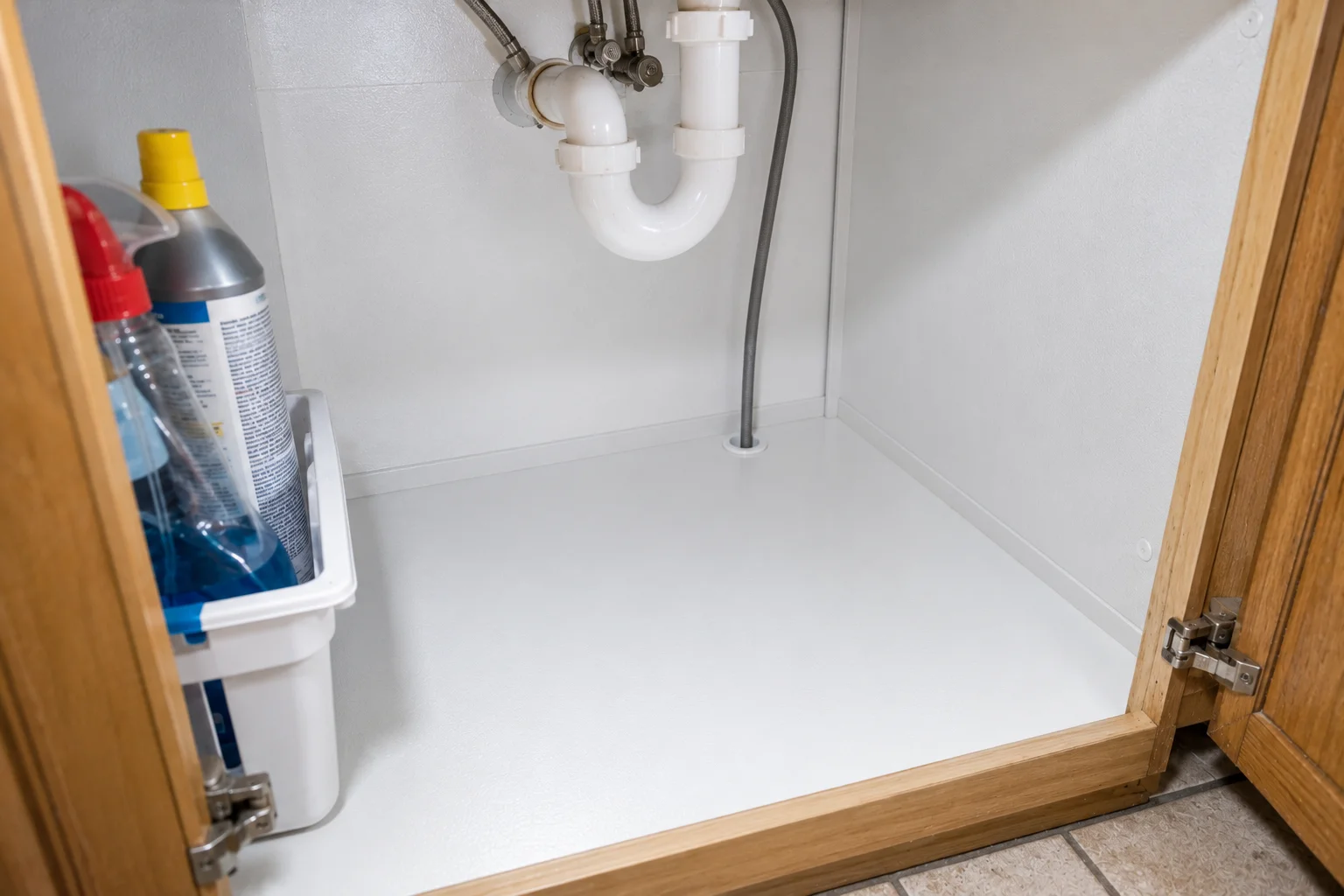
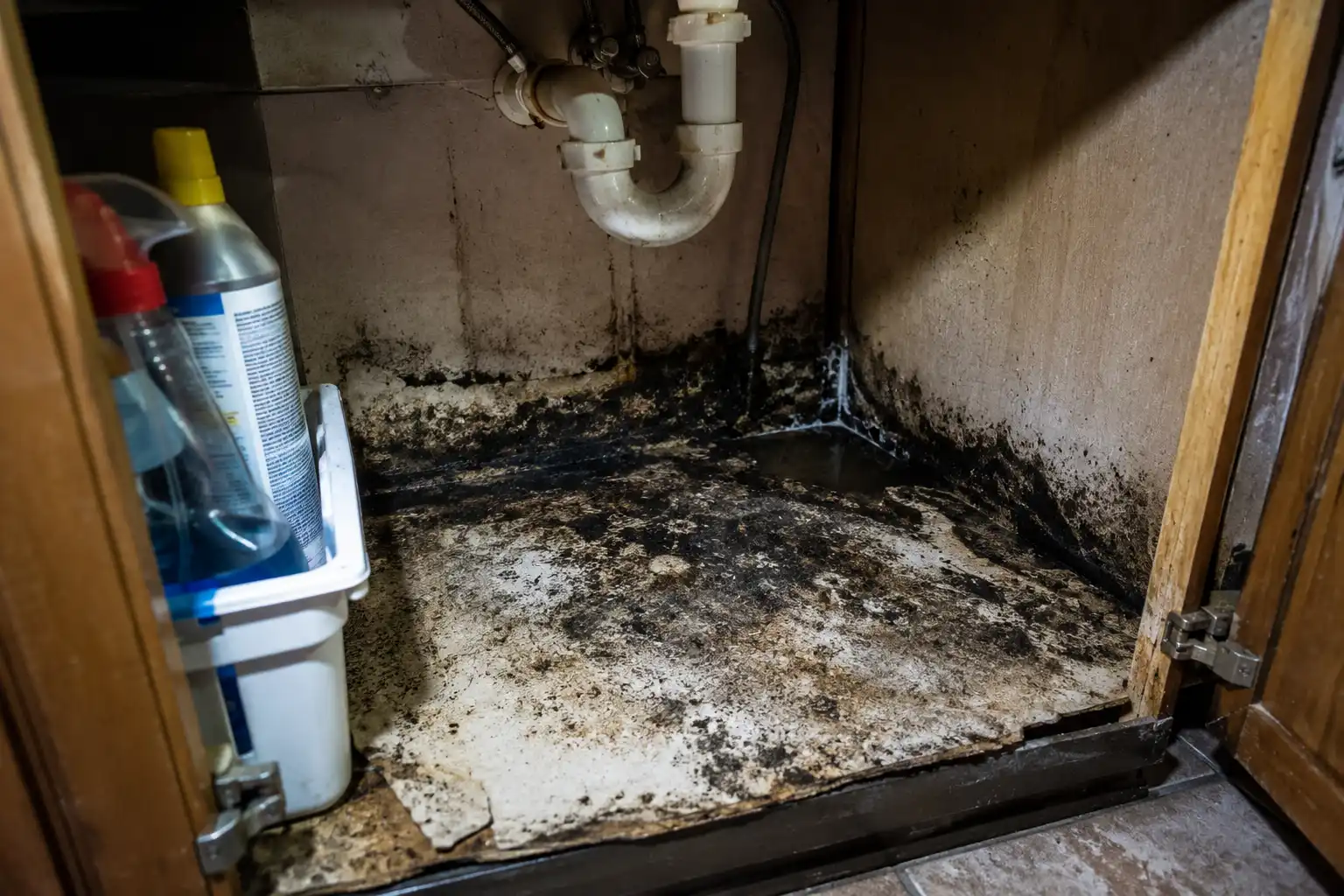
Drag the slider on any of the projects below to view structural transformations achieved by our Tampa remediation crews.
What to Ask Before Hiring an Air Quality Company in Tampa
Not every company approaches indoor air quality with the same scientific rigor. Before you authorize any air treatment — with us or anyone else — ask these vital questions:
Do you clear the air after the mold is physically removed?
Surface remediation stops mold growth, but airborne spores remain suspended. Commercial-grade HEPA air scrubbing must be included as a standard final phase to clear what's already airborne.
What equipment will you deploy in my home?
Look for commercial HEPA air scrubbers rated for 0.3-micron particle capture, paired with UV-C disinfection or activated carbon when appropriate — not consumer-grade plug-in retail units.
How long will the purification equipment run?
For post-remediation jobs, equipment should run continuously for 24 to 48 hours to complete multiple air exchanges throughout the space, rather than a quick 30-minute pass.
Can the results be verified with third-party testing?
A reputable provider welcomes independent clearance testing so you never have to take their word for it. Independent verification ensures transparency and verifiable air safety.
What warranty backs your workmanship?
We stand behind our work with a dedicated 7-year workmanship warranty for complete peace of mind.
Frequently Asked Questions
Our Other Tampa Restoration Services
Air purification is one critical component of complete property restoration — explore our related services across Tampa: