Water in Your Home Right Now? Do This First.
If water is actively coming in, a few fast steps protect both your safety and your insurance claim before a specialist arrives:
Stop the source if you safely can.
For a burst pipe, shut off your main water valve. For water near outlets or electronics, cut power to that area at the breaker — never stand in water near live electricity.
Document everything before you move anything.
Take wide photos and videos of the damage, the water line, and the source. Narrate the date and time. Under Florida policies you're required to mitigate further damage, but documentation of the original loss is what protects your claim.
Start removing standing water.
Use towels, a mop, or a wet/dry vacuum on smaller amounts. Move valuables, documents, and anything porous up and out of the water.
Run your AC — don't just open windows.
This surprises people. On a humid Tampa day, opening windows invites more moisture in. Your air conditioner is a powerful dehumidifier; closing up and running it cold does more to start drying than open windows.
Call a licensed restoration team.
The faster professional extraction and drying begin, the less secondary damage and mold you'll face.
When to Call a Professional — 5 Signs
Handled the first steps? Here's how to know it's time for a pro.
- The water covers more than a small room
- Water has been standing for more than 24 hours
- It involves sewage or other contaminants
- You suspect water soaked into subfloor, drywall, or insulation
- Storm surge or hurricane flooding is involved
Call the 24/7 emergency dispatch line — connect with a local specialist fast.
(813) 845-8355Why Speed Matters So Much in Tampa
The 48-hour mold countdown starts the moment water hits. When you need water damage restoration in Tampa, response time decides everything. Water damage gets worse by the hour, and Tampa's climate makes it worse faster than almost anywhere in the country.
Our air stays warm and humid year-round — humidity here averages around 74%. That means the moment water soaks into drywall, carpet, and subflooring, it becomes a feeding ground for mold, which can begin growing within 24 to 48 hours. What starts as a simple water problem on Friday can become a mold problem by Monday.
There's a second reason speed matters that most homeowners don't realize: water damage gets more contaminated the longer it sits. Clean water from a supply line (Category 1) can degrade into gray water (Category 2) and eventually contaminated black water (Category 3) as it lingers and mixes with dirt, bacteria, and building materials. Fast extraction doesn't just limit damage — it can keep a job from becoming a far more expensive and hazardous cleanup.
Our Water Damage Restoration Services
Our water damage restoration service in Tampa, FL covers extraction through drying. From emergency water damage restoration in Tampa to planned commercial jobs, this comprehensive service covers the full path from emergency water removal to a fully dried, restored property.
Emergency Water Extraction
Standing water is pulled fast using truck-mounted and portable extractors — the first and most urgent step in limiting damage to floors, walls, and subflooring.
Structural Drying & Dehumidification
Removing visible water is only half the job. Commercial air movers and LGR dehumidifiers are used to dry the structure itself — framing, drywall, and subfloor — to a measured moisture target, not just 'dry to the touch.'
Water Mitigation
Mitigation is about stopping the damage from spreading. Containment, humidity control, and rapid drying in the critical first 24 hours prevent a contained problem from turning into a whole-home loss.
Flood & Storm Damage Cleanup
Hurricane and storm flooding brings contaminated water and unique hazards. Contaminated water is extracted, unsalvageable materials removed, and the area sanitized — following the protocols that storm-driven water requires.
Burst Pipe & Appliance Leak Cleanup
Hidden failures — a burst pipe inside a wall, a corroded washing machine hose, a leaking water heater — can release hundreds of gallons before you notice. The water's path is traced and the hidden cavities it reaches are dried.
Sewage Backup Cleanup
A toilet overflow or sewer backup is Category 3 'black water' — a biohazard, never a DIY job. Contaminated materials are removed and the area sanitized using proper protective equipment and antimicrobial treatments.
Mold Prevention & Remediation
Because water damage and mold go hand-in-hand, drying your property is only half the job — treatment is included to prevent the mold that water so often leaves behind. If mold has already started, it's remediated as part of the same job.
We serve both residential and commercial properties throughout Tampa — homes, condos, rentals, offices, and multi-unit buildings.
The Types of Water Damage in Tampa Homes
Not all water is equal, and the category determines how a job must be handled. This is core to how restoration is scoped, priced, and made safe.
Storm surge adds one more wrinkle: it's saltwater. Salt corrodes metal, damages wiring, and accelerates material deterioration — so storm-surge cleanup often requires more aggressive material removal than a clean-water leak of the same size.
How Our Water Damage Restoration Process Works
Every property is different, but professional restoration follows a proven sequence built around one goal: dry the structure completely before rebuilding anything.
Emergency Response & Assessment
Your call is answered live, a crew is dispatched, and on arrival the water source, category of water, and full scope — including hidden moisture — is identified.
Water Extraction
Standing water comes out first with professional-grade extractors, before it can wick deeper into materials.
Moisture Mapping
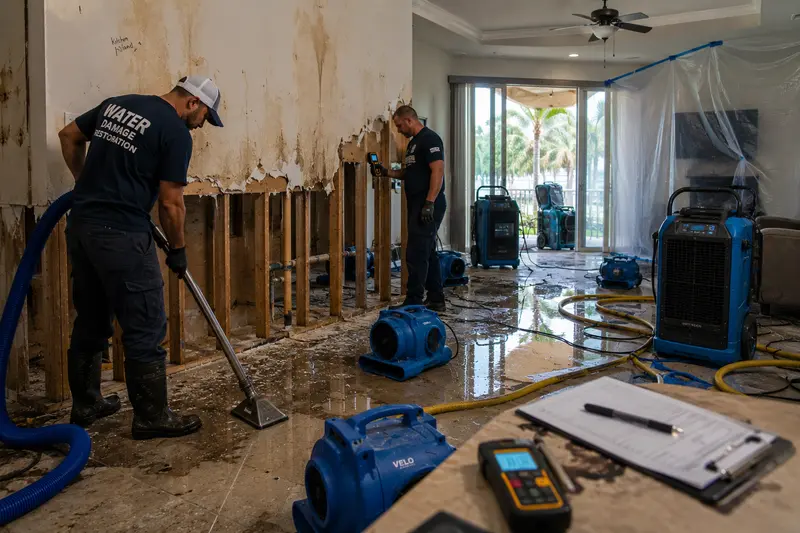
Using thermal imaging cameras and moisture meters, hidden water is found behind walls, under tile, and in wall cavities — because 'dry to the eye' is not actually dry, and trapped moisture is what feeds mold weeks later.
Controlled Structural Drying
Air movers and dehumidifiers are set up in a controlled configuration, with moisture readings monitored daily. In Tampa's humidity, structural drying typically takes longer than in dry climates — often three to seven days depending on materials and saturation.
Cleaning, Sanitizing & Mold Prevention
Affected surfaces are cleaned and disinfected, treated with antimicrobial products to prevent mold, and odors are addressed at the source.
Documentation & Insurance Support
Throughout, the loss is documented with photos, moisture logs, and detailed records — organized the way insurance adjusters need them to approve a claim efficiently.
Why 'Dry to the Eye' Isn't Actually Dry
This is the single most misunderstood part of water damage, and it's why DIY drying so often fails. A surface can feel dry to your hand while the drywall, subfloor, and framing behind it are still holding water.
Professionals don't dry to feel — they dry to a measured moisture reading. Baseline readings are taken, then controlled drying runs until the affected materials return to a documented dry standard that matches unaffected areas of your home. This is also why professionals don't just place fans everywhere on day one: air movers go in after the environment is stabilized and, when flooding is involved, after wet materials are removed. Blowing air across still-wet, contaminated materials can spread the problem instead of solving it.
That measured approach is the difference between a home that's genuinely dry and one that grows mold inside the walls a month later.
Common Causes of Water Damage in Tampa Homes
Tampa's climate, geography, and housing stock create specific, recurring water problems:
Summer storms and hurricanes
From June through November, tropical downpours and storm surge push water in through roofs, windows, and rising ground water. Recent named storms demonstrate the risk: Hurricane Helene (September 2024) and Milton pushed surge into surge-prone streets, and Idalia did the same in 2023; some low streets near the bay now take water on king tides with no storm at all.
A high water table and slab foundations
Tampa's high water table puts pressure on slab-on-grade foundations, making slab leaks a common and often hidden problem — a warm or damp spot on your floor can signal a broken pipe under the concrete. Sandy soils over karst limestone drain unevenly, and mid-century pier-and-beam homes with unsealed CBS block walls give water direct paths in through mortar joints and crawl spaces.
AC condensate leaks
In our climate, air conditioners run constantly. When a condensate drain line clogs with algae or dust, it backs up and overflows — often in an attic or closet — leaving a sagging, stained ceiling. Flushing the line periodically helps prevent this.
Aging plumbing in older homes
Neighborhoods like Hyde Park, Seminole Heights, and Tampa Heights have older housing stock where original supply lines can fail without warning.
Appliance and water heater failures
Corroded hoses and failed connections on washers, dishwashers, and water heaters are among the most common indoor water losses.
Protecting Your Tampa Property From Water Damage
The cheapest water damage job is the one that never happens.
Clear yard drains, gutters, and storm grates before each hurricane season
Standing rainwater during sudden Tampa downpours backs up quickly when exterior drainage paths are blocked with oak leaves and sand.
Check supply hoses, shutoff valves, and appliances for wear and slow leaks
Inspect stainless braided washing machine lines and toilet supply risers annually. Replace plastic fittings before hairline cracks burst under pressure.
Install moisture detectors in laundry rooms, behind the refrigerator, and near the water heater
Battery-powered smart leak sensors alert your smartphone instantly at the first sign of water, stopping a minor seep before it soaks drywall.
Know where your main water shutoff is before an emergency
Ensure every member of your household knows the exact location of the street valve or interior shutoff so water can be cut within seconds of a break.
Keep a storm plan with key contacts and shutoffs documented
Store your insurance policy number, local restoration emergency hotline, and utility shutoff procedures together in an accessible, waterproof folder.
Insurance & Water Damage: What Tampa Homeowners Should Know
Water damage is stressful enough without an insurance battle on top of it. Here's an honest overview of how coverage typically works in Florida — and how the claim process is made easier for you.
Tampa Bay's insurance market has tightened — FEMA has reclassified properties into higher flood zones and carriers are scrutinizing documentation more closely, which is exactly why thorough, adjuster-ready records matter more than ever.
How We Guide Your Claim — 3 Steps
Is water damage covered?
Usually, if it was sudden and accidental. Standard Florida homeowners policies (HO-3 and HO-5 forms) typically cover water damage from burst pipes, appliance failures, and sudden storm-driven roof leaks. What's generally not covered: damage from long-term, unaddressed leaks or maintenance neglect — and flooding from rising surface water or storm surge, which requires a separate flood policy (NFIP or private).
You Stay in Control of Your Claim
Florida law has changed how Assignment of Benefits (AOB) agreements work, and signing away your insurance rights to a contractor can complicate your claim. You won't be asked to do that. Instead, you stay in direct control — the loss is documented thoroughly, your insurance is billed directly for the restoration work, and you receive the records your adjuster needs. You stay informed at every step.
Why documentation decides claims.
The difference between a smooth claim and a denied one is usually evidence. Moisture readings are logged, every affected area photographed before and after, and the source and scope of loss recorded — the documentation adjusters rely on to approve coverage.
Beware of 'Storm Chasers' After a Hurricane
After every major storm, out-of-state 'storm chasers' flood Tampa neighborhoods, knock on doors, promise fast fixes, and pressure homeowners to sign on the spot. Many aren't licensed to work in Florida, do shoddy work, overbill, and disappear when the next storm rolls in — leaving you with no recourse.
Protect yourself: hire a licensed, local restoration company. Ask for their Florida mold and restoration license and IICRC certification. A legitimate company won't pressure you to sign anything before you understand it, will have a local track record, and will still be here long after the storm. Being based in Tampa isn't just convenient — it's your protection.
Residential & Commercial Water Damage Restoration
Water doesn't care what kind of building it's in — but the right response depends on it.
Residential Water Damage Restoration in Tampa
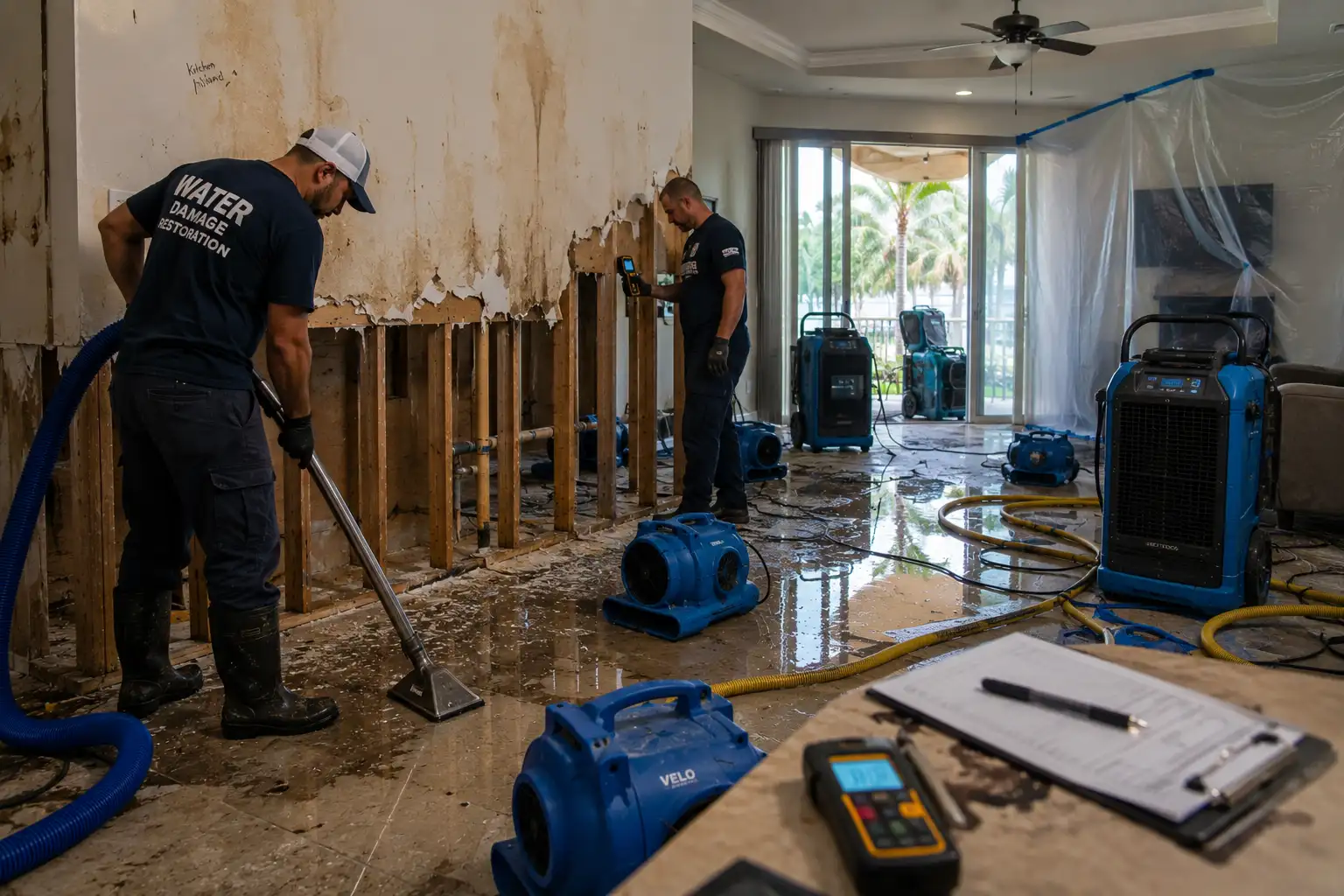
Residential losses often center on ground-floor rooms, drywall, and flooring — especially in older bungalows and slab-built homes where Tampa's high water table keeps moisture coming.
- Contained drying so the rest of your home stays livable
- Moisture mapping finds water behind walls and under floors
- Mold prevention built into every job
Commercial Water Damage Restoration in Tampa
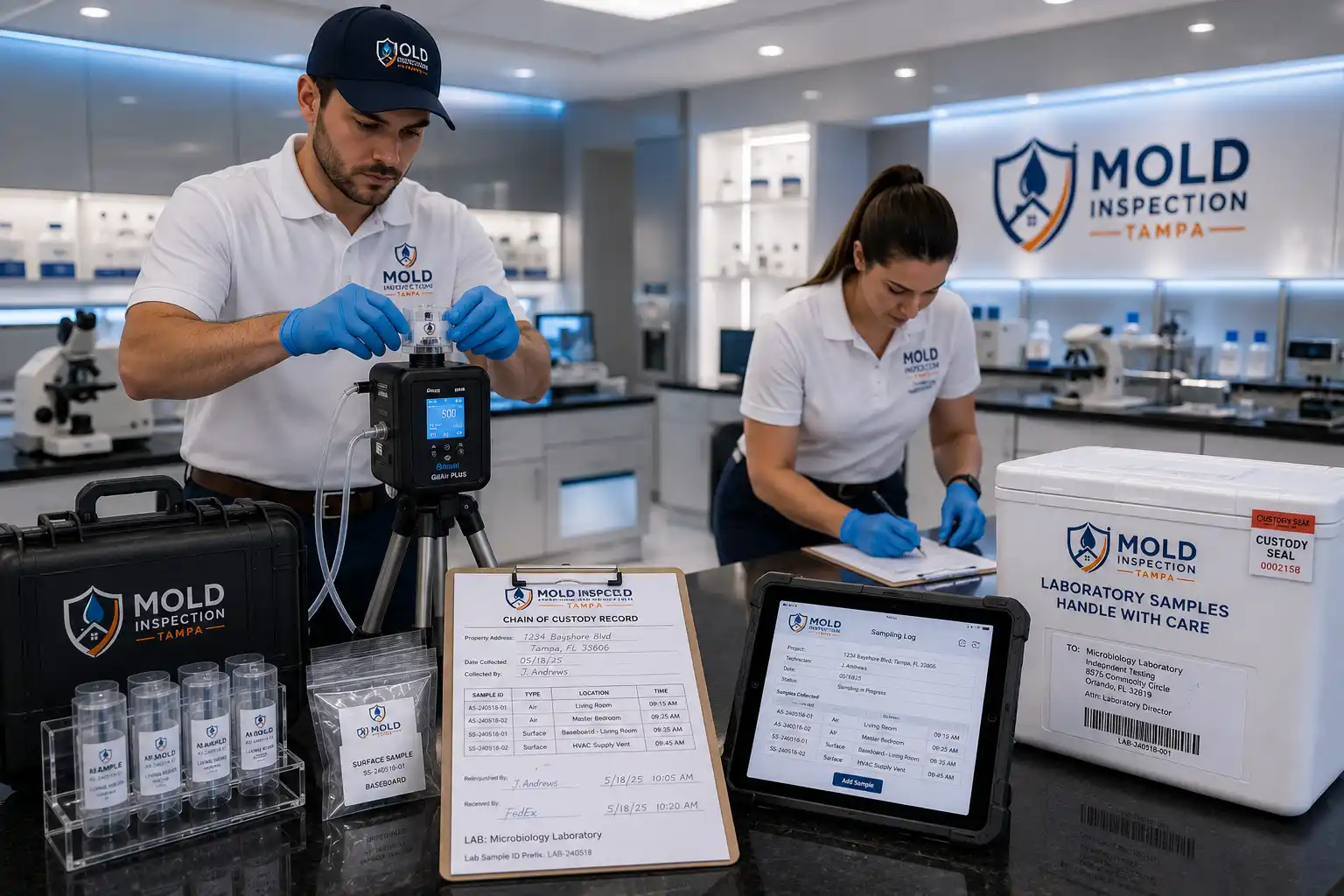
Commercial properties demand faster turnaround to limit business interruption — and the scale to handle larger spaces.
- Office buildings, retail centers, medical, educational, and hospitality facilities
- Multi-unit and industrial properties
- Work planned for business continuity and compliance
Not sure which applies to your situation? (813) 845-8355 — we'll point you in the right direction.
What Affects Water Damage Restoration Costs
Every loss is different, so honest pricing depends on a few factors:
Size and severity of the affected area
A contained single-room loss requires significantly less equipment, drying time, and labor than a multi-floor water intrusion.
Category of water
Clean water from a supply line costs less to remediate than gray water or hazardous Category 3 black water that requires specialized biohazard protocols.
Materials affected
Tile and concrete dry differently than porous drywall, hardwood flooring, insulation, and cabinetry that may require precision salvage techniques or removal.
Drying time & mold risk
The duration dehumidifiers run in Tampa's humidity and whether active mold remediation is needed impact overall project scope.
You get clear, upfront pricing before any work begins — and we bill your insurance directly.
Get Emergency Help Now
Every hour water sits, the damage and the cost grow. If you're dealing with a leak, a flood, or storm damage, don't wait — the sooner extraction and drying begin, the more of your property can be saved. Calls are answered 24/7, our network is licensed and local, and your insurance is billed directly.
Searching "water damage removal near me" in Tampa? Call now — we answer live, 24/7. Most policies require you to mitigate damage fast — calling now protects both your property and your claim.
What to Expect
CERTIFIED & RECOGNIZED BY


Recent Work — Before & After
Drag the slider on any of the projects below to view structural transformations achieved by our Tampa remediation crews.
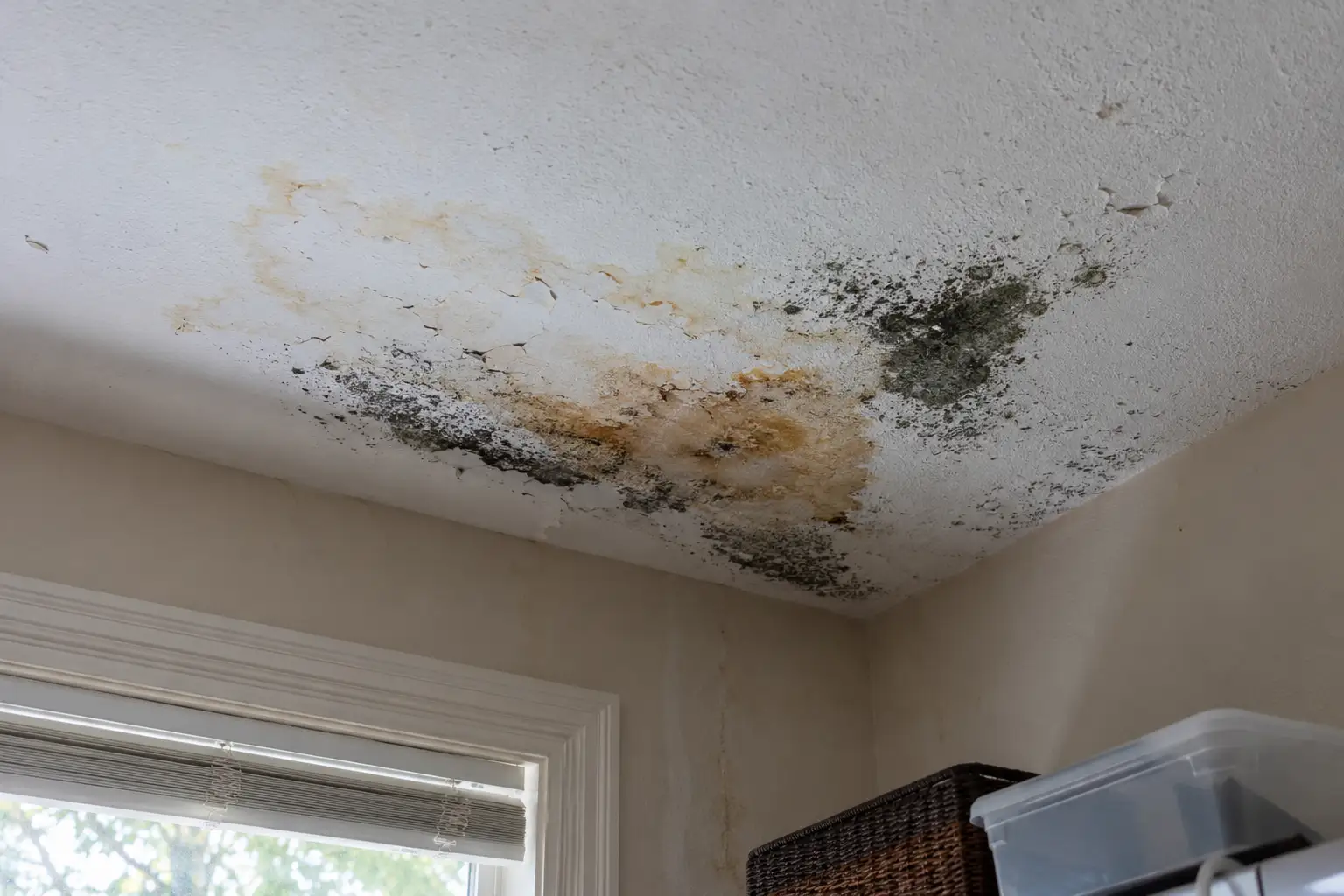
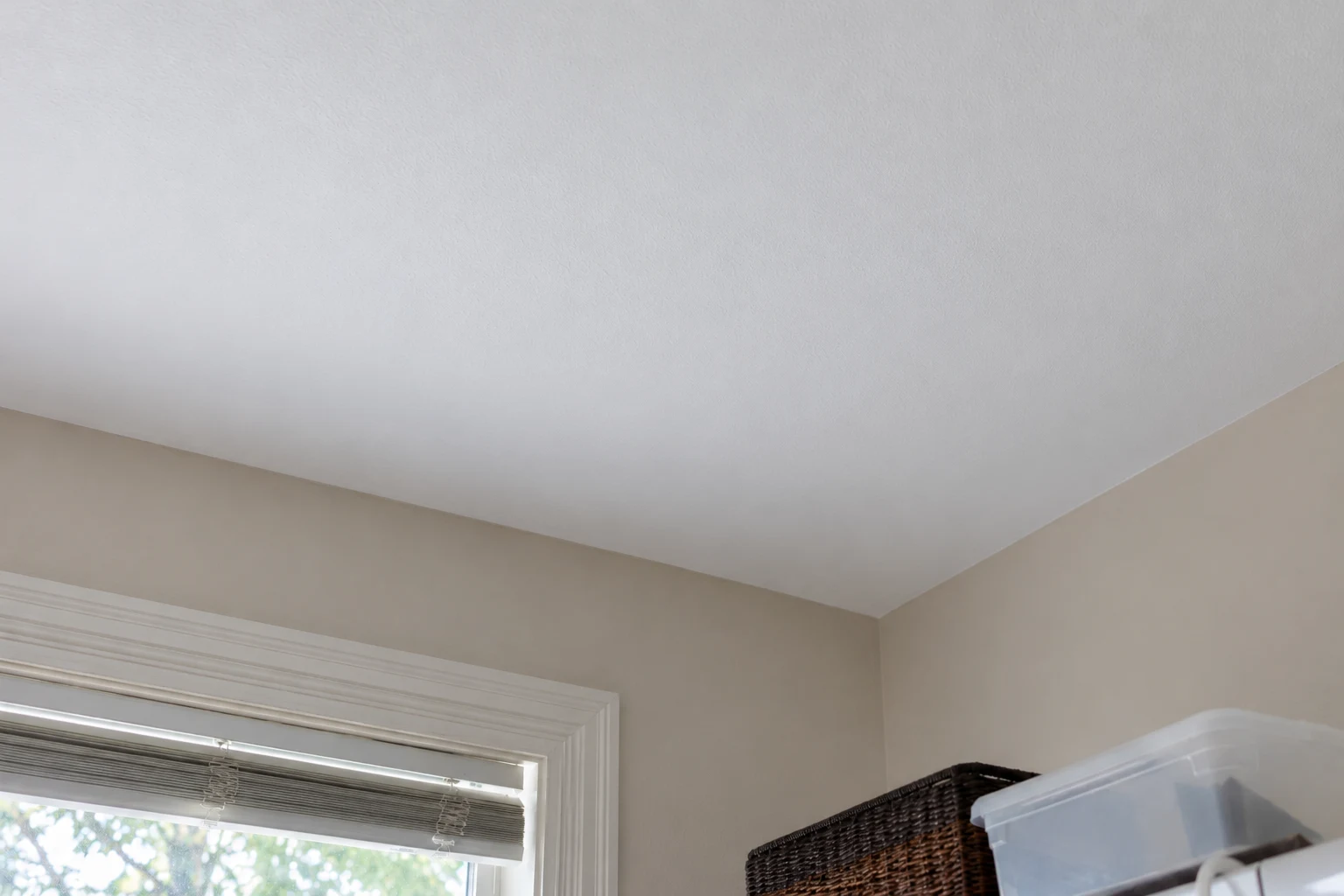
Attic Mold Remediation in South Tampa
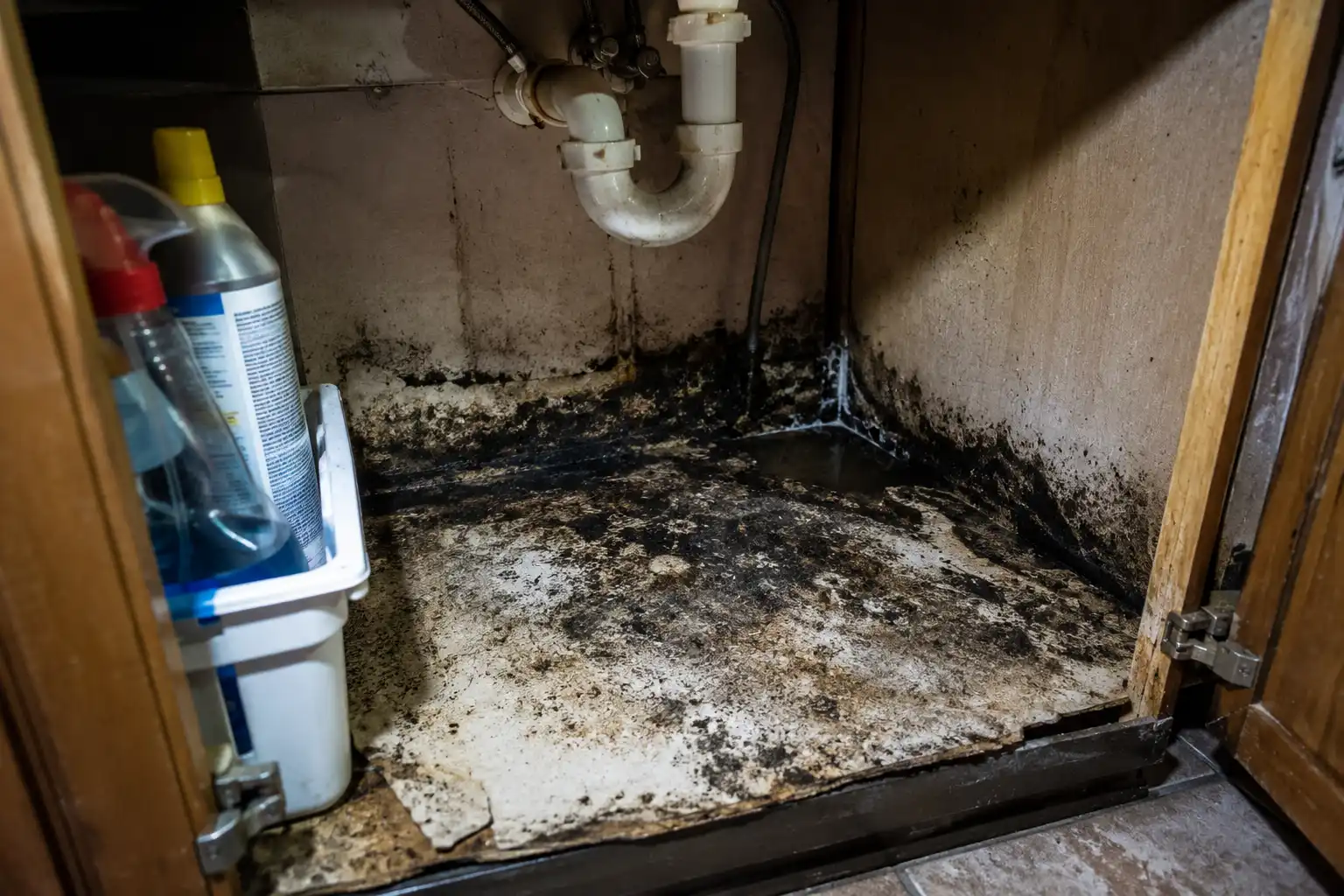
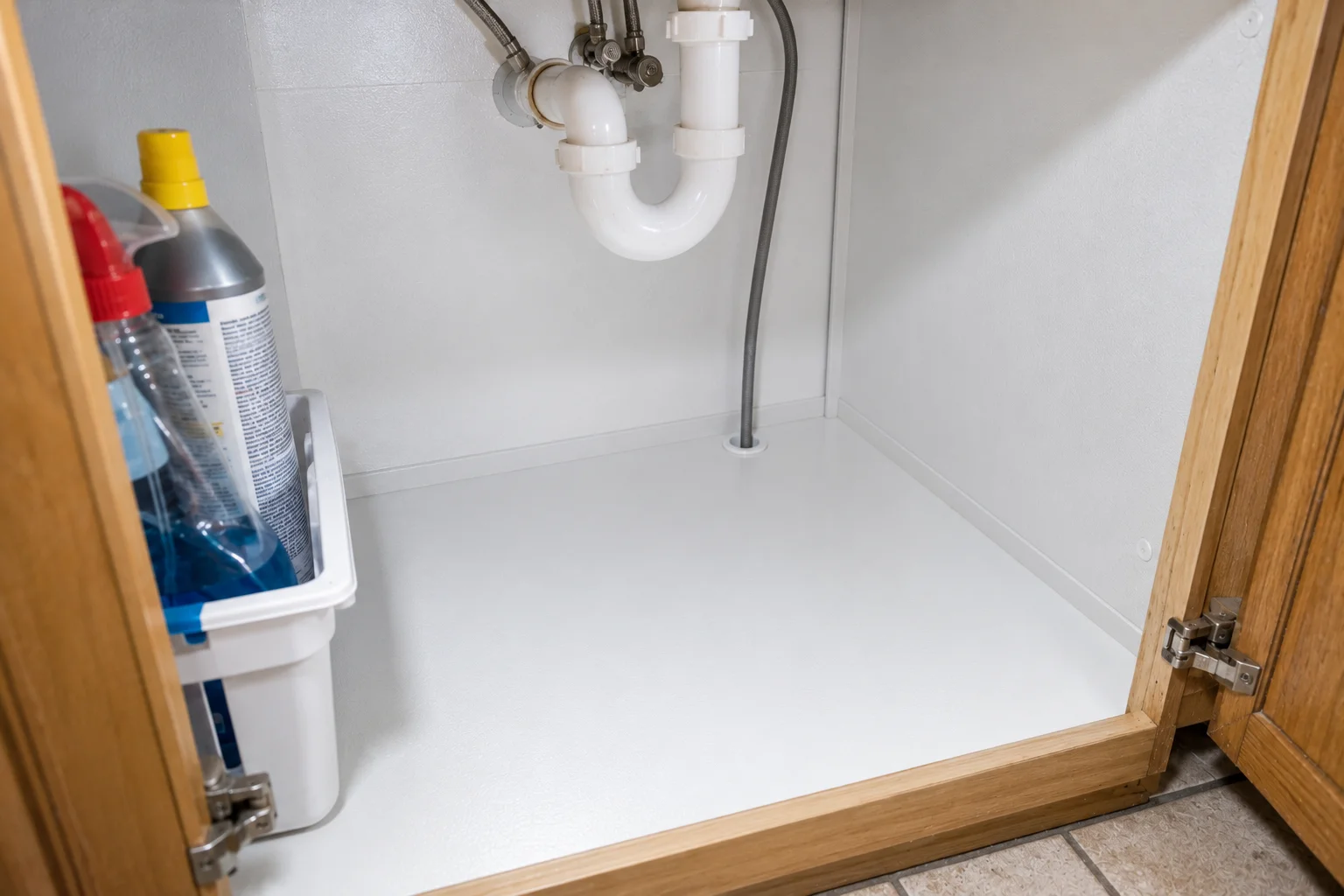
Crawl Space Moisture Mitigation in Davis Islands
What to Ask Before Authorizing Work
Not every company works the same way. Before you authorize any water damage job — with us or anyone — ask these questions:
What's included in the scope?
The plan should clearly define the affected areas, materials, and what gets removed versus dried in place.
How will you verify it's actually dry?
Look for measured moisture meter and thermal imaging readings compared against dry baselines, not just visual inspection or “feels dry.”
How do you handle the mold risk?
Antimicrobial treatment and mold prevention protocols should be built into every water damage job from day one.
How do you document for insurance?
Comprehensive photos, moisture logs, and scope records organized specifically the way adjusters evaluate claims.
Who will actually do the work?
Insist on technicians with formal IICRC certification and extensive hands-on water restoration training.
What warranty backs the work?
We stand behind our restoration work with a dedicated 7-year workmanship warranty.
Frequently Asked Questions
Mold can begin growing within 24 to 48 hours of water intrusion. In Tampa's climate — where outdoor relative humidity averages around 74% and summer heat accelerates spore growth — that clock is unforgiving. Mold spores are already present in indoor air; they only need moisture and an organic food source (drywall paper, carpet backing, wood framing) to activate. That's why extraction in the first 24 hours is so critical — every hour of delay increases the likelihood of secondary mold damage.
Usually yes — if the damage was sudden and accidental, like a burst pipe, an appliance failure, or a sudden storm-driven roof leak. Standard HO-3 and HO-5 policies typically cover these, including the cost of extraction, drying, and repairs. What's generally excluded is damage from slow, long-term leaks or maintenance neglect, and flooding from rising water or storm surge — which needs separate flood insurance. Because the cause determines coverage, thorough documentation is essential, and we handle that documentation as part of every job.
Be very cautious. Florida law has changed how AOB agreements work, and signing one transfers your insurance rights to the contractor, which can complicate or reduce your recovery. A reputable company won't pressure you to sign away your rights at the door. That approach isn't used here — instead, you stay in direct control of your claim, documentation is handled thoroughly, and your insurance is billed directly for the restoration work. If a contractor pressures you to sign an AOB before starting, treat it as a warning sign.
Most residential jobs take a few days to about a week, though it varies with the severity and the materials involved. Water extraction happens immediately, but structural drying is the part that takes time — and in Tampa's humidity, drying runs slower than in dry climates, typically three to seven days. Larger losses or contaminated water that requires material removal take longer. After we assess your property, we give you a realistic timeline and monitor moisture daily so drying finishes as fast as safely possible.
For a small, clean-water spill you catch immediately, a wet/dry vac and fans may be enough. For anything larger, fans alone aren't — and in humid Tampa air they can even make things worse by moving moisture around without removing it. Proper drying controls temperature, airflow, and humidity together, using commercial dehumidifiers alongside air movers, and targets the moisture hidden inside walls and floors that fans never reach. Surface drying leaves that hidden moisture behind, which is exactly where mold takes hold.
No, and the distinction matters a lot. 'Water damage' from an internal source — a burst pipe or appliance leak — is typically covered by standard homeowners insurance. 'Flooding' from rising external water, storm surge, or overflowing bodies of water is a separate category that standard policies exclude and that requires a dedicated flood policy through the NFIP or a private insurer. If your damage came from storm surge or rising water, your flood policy, not your homeowners policy, is usually the one that applies.
Yes. A sewage backup is Category 3 'black water' — contaminated with bacteria and hazardous material — and it should never be cleaned without proper protective equipment and antimicrobial treatment. Connected specialists remove contaminated materials safely, sanitize the affected area, and dry the structure following the protocols this kind of water requires. If you have a sewage backup, keep people and pets away from the area and call us right away rather than attempting to clean it yourself.
Yes — including tropical-storm flooding. Storm surge is saltwater, which is more destructive than rain flooding: salt keeps materials damp, corrodes metal, and feeds mold, so it must be flushed and neutralized, not just dried. Our flood damage restoration in Tampa extracts, sanitizes, and dries surge-affected areas following the protocols contaminated water requires.
Common signs: musty odors, discoloration or bubbling paint, warped flooring, and an unexplained spike in your water bill. In Tampa's humidity, water trapped inside walls can go unnoticed for months. We use thermal imaging cameras and moisture meters to find water behind walls, under tile, and in wall cavities — because dry to the eye isn't actually dry.
Yes. We document commercial losses the same thorough way — photos, moisture logs, scope records — and bill your insurer directly for the restoration work. You stay in control of the claim; we give your adjuster the records needed to approve it.
Crawl spaces trap humid air and standing water where you can't see it — and in Tampa's pier-and-beam and older homes, moisture under the floor silently feeds mold and rots framing. A flooded crawl space needs extraction, drying, and verification with moisture readings, not just a visual check, because what you can't see is exactly where damage continues.
A complete job includes: emergency water extraction, moisture mapping with thermal imaging and meters, controlled structural drying with air movers and dehumidifiers, cleaning and sanitizing with antimicrobial treatment, mold prevention (and remediation if mold has started), and full documentation for your insurance claim.
We're restoration specialists, not attorneys, so we can't give legal advice — talk to a Florida attorney about your specific situation. What we can tell you: if a neighbor's negligence caused the damage, thorough documentation (photos, moisture readings, source identification) is what supports any claim, and we provide exactly that as part of every job. Document everything before anything is moved or repaired.
It depends on the size of the affected area, the category of water (clean vs. contaminated), how far moisture spread into walls and flooring, how long drying takes in Tampa's humidity, and whether mold remediation is needed. A single-room clean-water job costs far less than multi-room contaminated-water restoration. We give you clear, upfront pricing before work begins — and we bill your insurance directly.
Our Other Tampa Restoration Services
Water damage handled — here's what else our Tampa team takes care of, from detection to dry, healthy air.
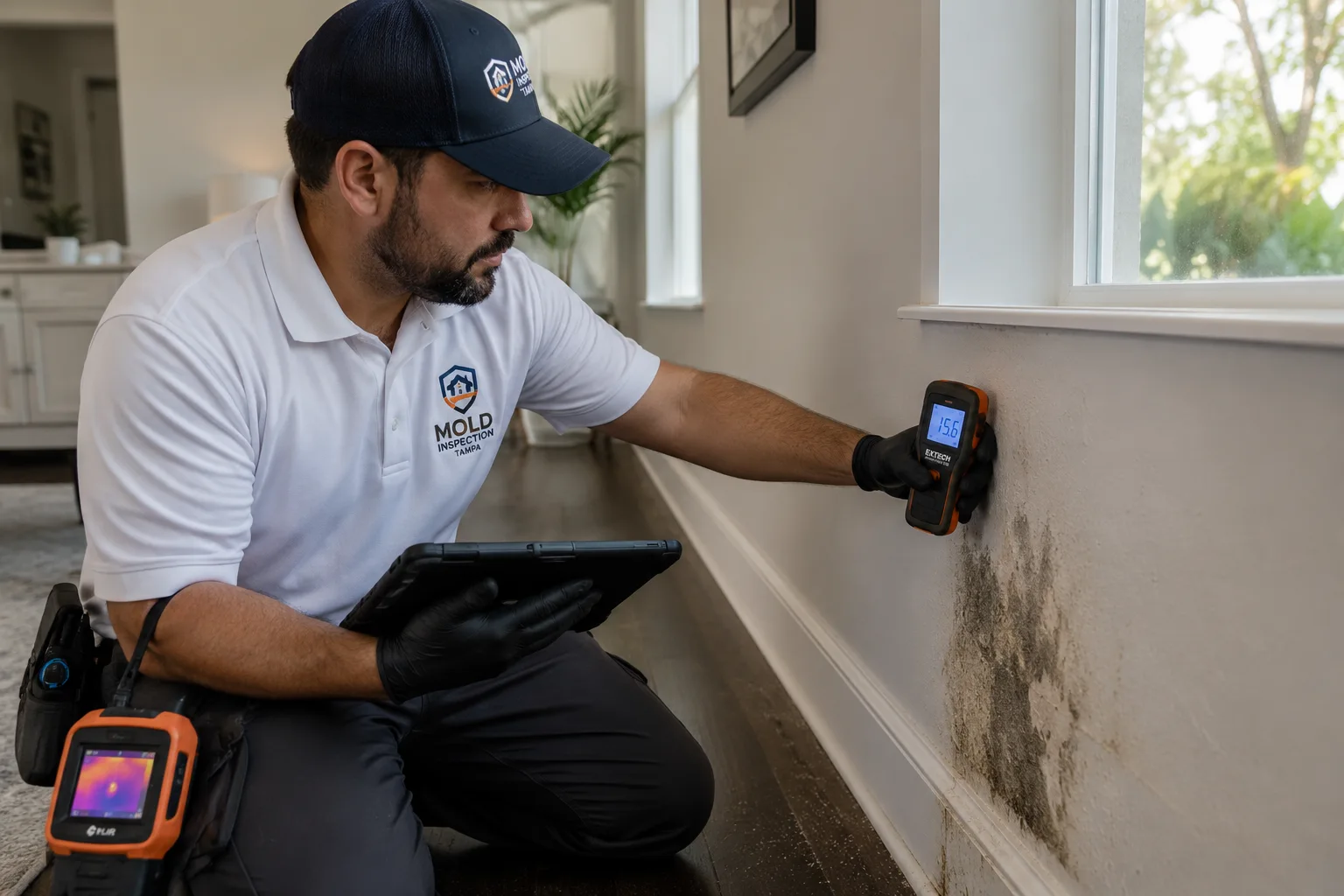
Mold Inspection & Testing
Not sure how far the water traveled? Our detailed inspection with lab testing finds hidden moisture and mold before it spreads.
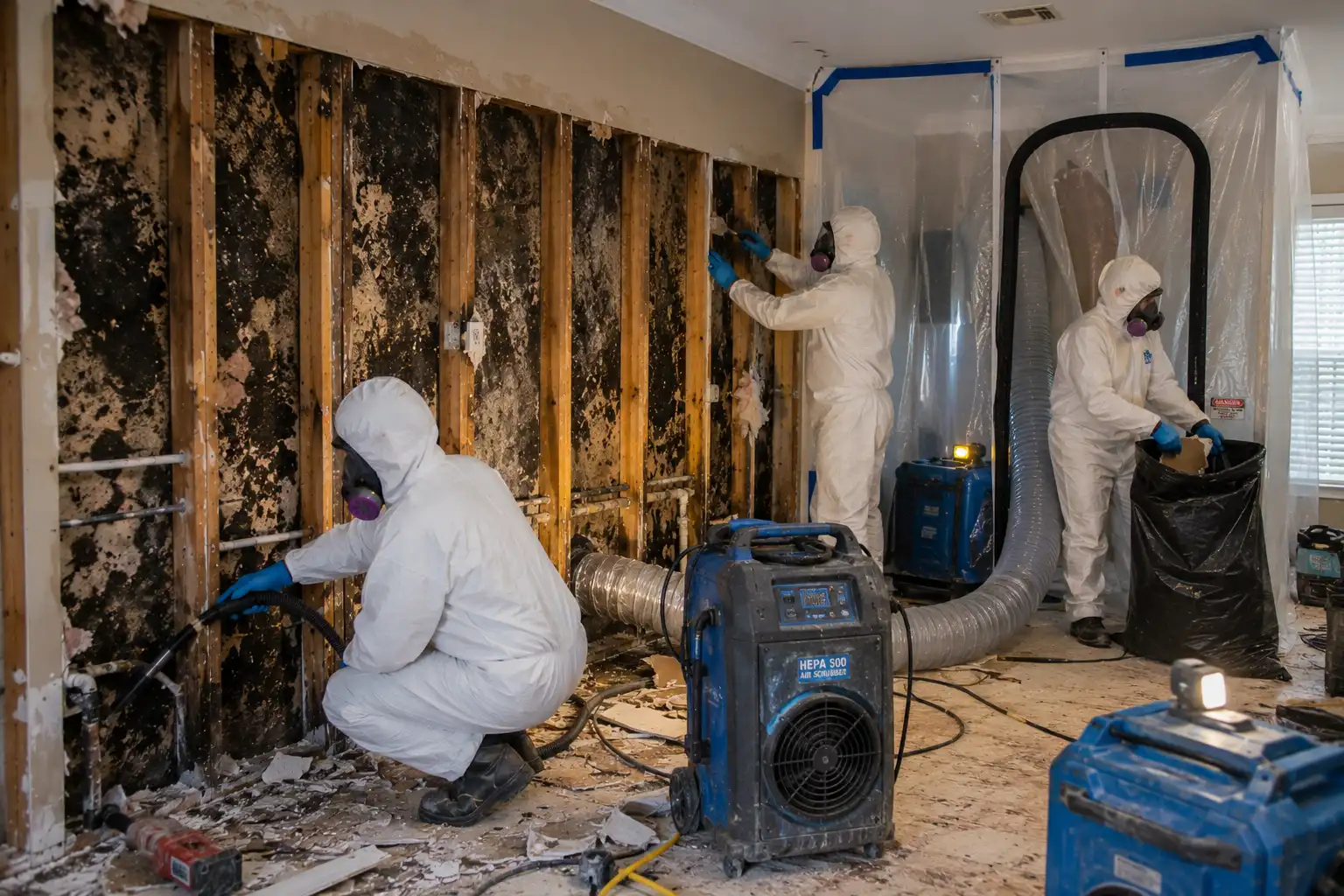
Black Mold Removal
Mold started after water damage? We remove it safely with full containment and moisture-source correction.
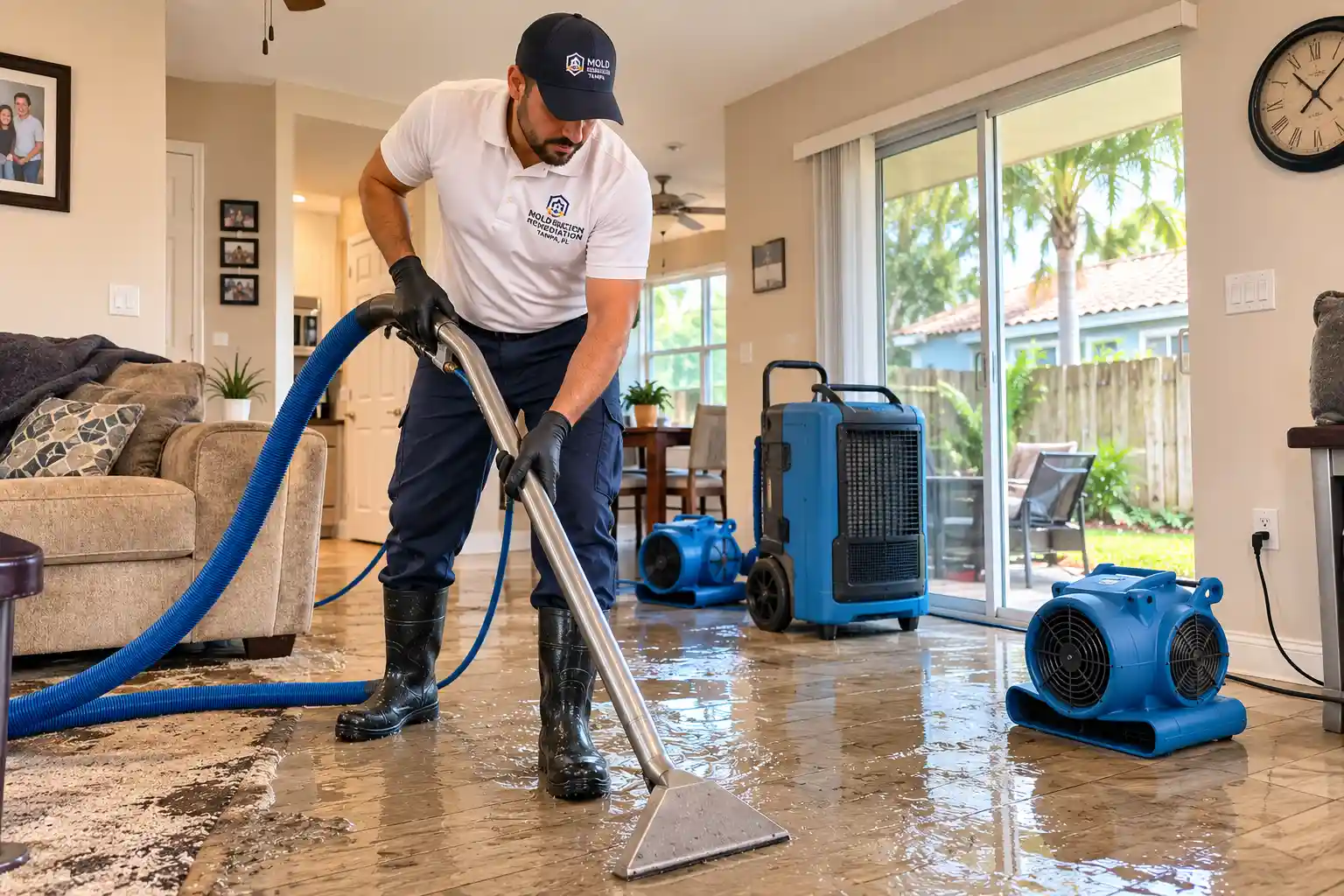
Water Extraction & Mitigation
Need rapid extraction? Truck-mounted extractors and structural drying stop damage at the source.
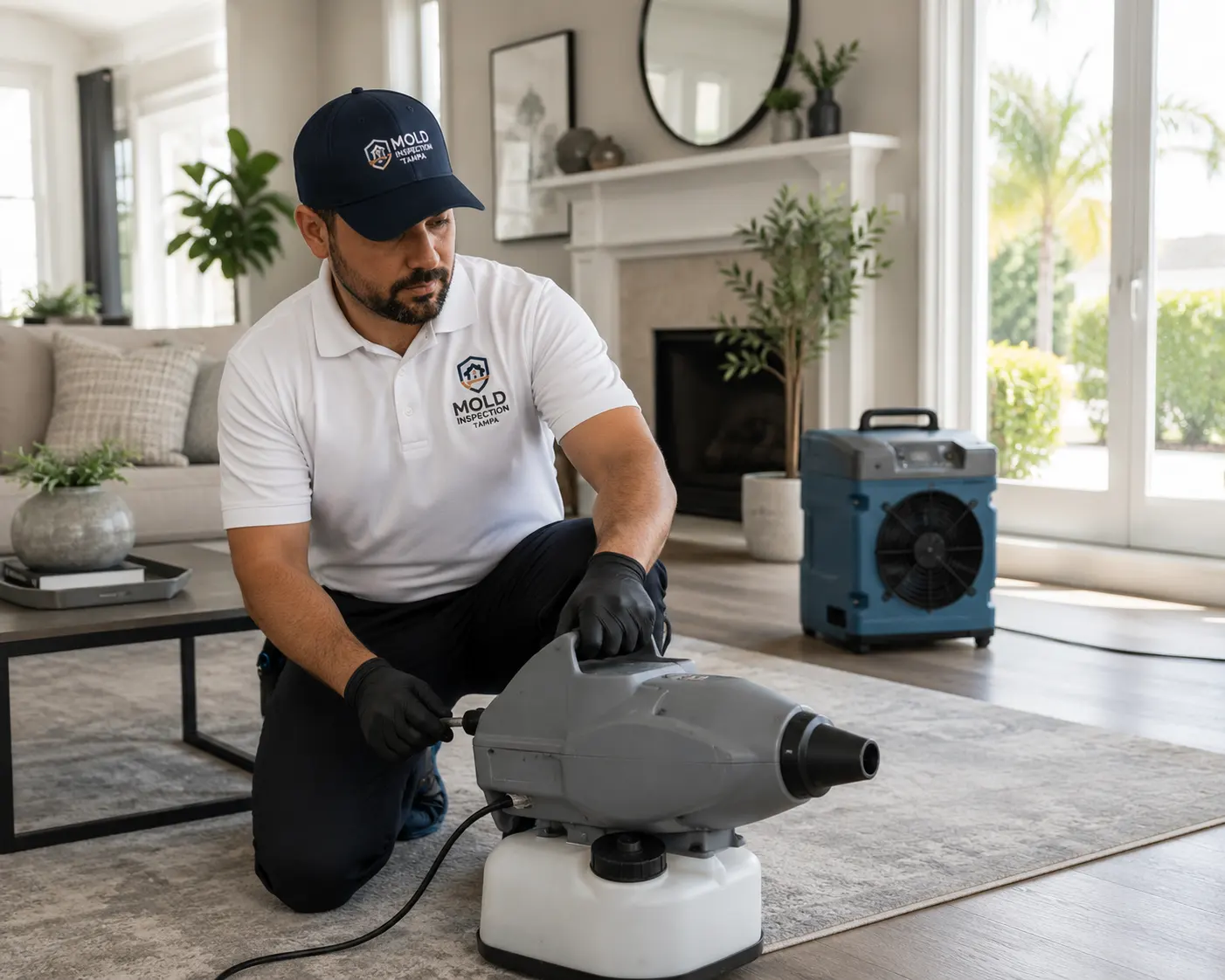
Odor Removal
Musty smell after drying? We eliminate odors at the source — not just mask them.
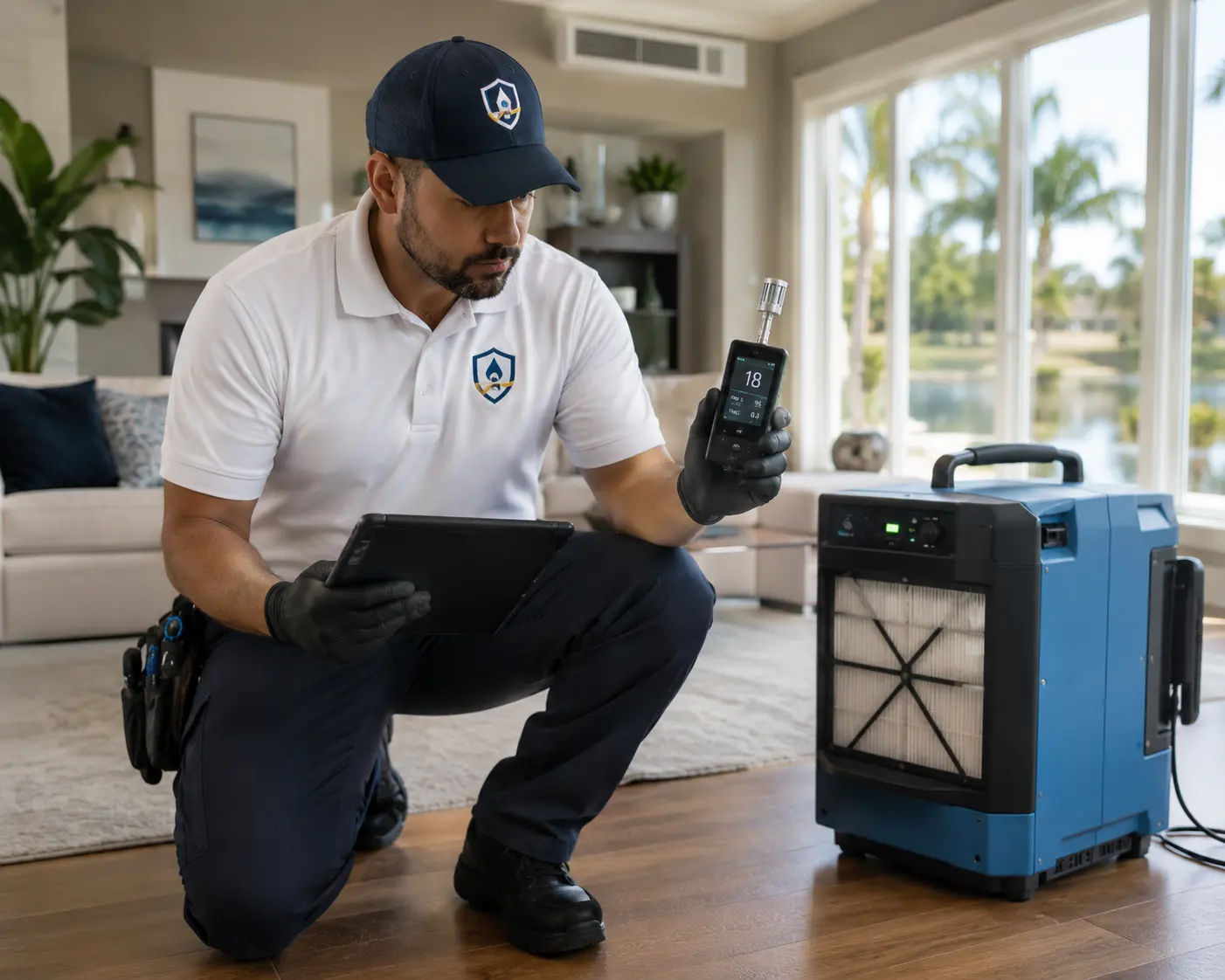
Air Quality & Purification
After restoration, HEPA air scrubbers clear airborne contaminants and restore healthy indoor air.