Why Davis Islands Is Genuinely Different — Not Just Another Waterfront Neighborhood
Every waterfront community in Tampa deals with humidity. Davis Islands deals with something more specific than that, and it starts with the ground itself.
Davis Islands isn't naturally-occurring land. In the 1920s, developer D.P. Davis dredged sand and mud up from the bottom of Hillsborough Bay and used it to build up two small natural islands — originally called Little Grassy Key and Big Grassy Key — into the residential archipelago that exists today. Every home here sits on fill material dredged from the bay floor, not on natural, undisturbed terrain. That matters for moisture in a way that's easy to overlook: fill land behaves differently than natural ground when it comes to water retention, settling, and how close the water table sits to the surface. Combine that with an island that's surrounded by water on nearly every side, and you have a foundation environment that's structurally different from anywhere else in South Tampa.
Then there's the water exposure itself. With an estimated 35-40% of homes directly bordering a canal or Hillsborough Bay, Davis Islands has one of the highest concentrations of true waterfront property in the entire Tampa area — not "near the water," but adjacent to it, with docks, seawalls, and direct bay access as standard features rather than exceptions.
The Architecture Adds Its Own Risk Factor
Most Davis Islands homes reflect the neighborhood's original 1920s-1930s development: Mediterranean Revival architecture, with stucco exteriors, red tile roofs, and arched windows. Many of these homes are individually listed on the National Register of Historic Places under the "Mediterranean Revival Style Buildings of Davis Islands" designation — which means many owners are preserving original construction rather than fully modernizing it.
That's part of the neighborhood's charm — and part of what makes moisture management here different from a typical Florida home. Stucco, while durable, can trap moisture behind it if cracks or gaps develop, hiding water intrusion for a long time before any visible sign appears inside. Red tile roofing systems have their own maintenance patterns distinct from asphalt shingle roofs common elsewhere in Tampa. And because historic materials deserve a careful approach, addressing moisture issues on a Davis Islands property sometimes takes more finesse than a straightforward tear-out-and-replace job elsewhere.
Real Flood Risk: Hurricane Helene, Not a Hypothetical
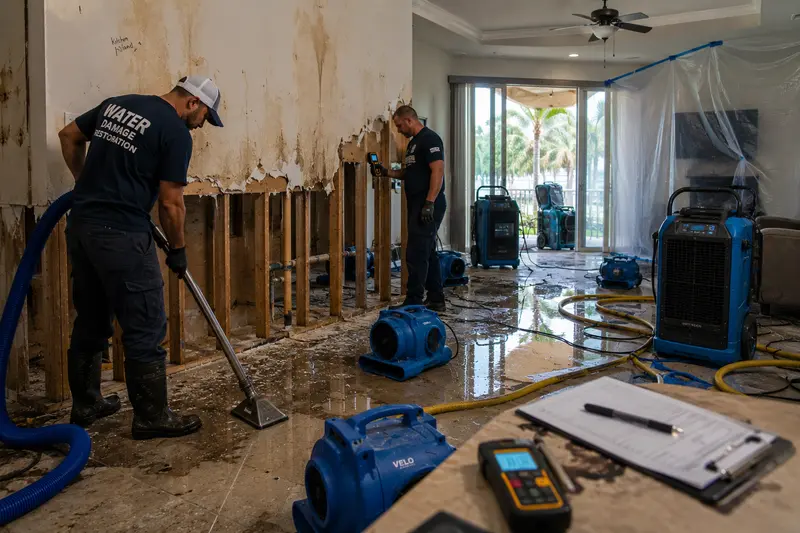
This isn't a theoretical concern for Davis Islands — it has real, documented history. When Hurricane Helene pushed into Tampa Bay in September 2024, storm surge of up to 8 feet washed over Davis Islands. Fire Station 17 took three feet of water inside and its crews have operated from temporary trailers ever since. Peter O. Knight Airport was inundated with salt water — feet of surge covered the airfield, destroying runway lighting and flooding hangars. Tampa General Hospital, the island's own Level I Trauma Center, rode out the storm behind a 15-foot water-impermeable barrier it had deployed around its campus.
It's a pattern specific to the island's geography: the lowest-lying, most water-adjacent homes see it first. And the aftermath is still unfolding — under FEMA's 50% rule, when storm repairs cost more than half a property's market value, the rebuild must be elevated above base flood elevation. Across the island, that rule is driving a wave of gut-renovations and elevated rebuilds right now.
For mold specifically, this matters because storm-related flooding and saltwater intrusion is one of the fastest paths to a serious mold problem — and on an island with limited bridge access, where evacuation and post-storm re-entry can be more complicated than on the mainland, delays in getting water extracted and drying started tend to run longer here than in more accessible parts of Tampa. Mold can begin developing within 24 to 48 hours of water exposure. On Davis Islands, those first hours matter more than almost anywhere else in the city.
Where We Typically Find Mold on Davis Islands
Based on the island's construction era, materials, and water exposure:
Behind stucco walls
cracks or failed sealant let moisture in gradually, often invisible from inside until it's substantial
Around dock-adjacent and seawall-facing rooms
the rooms closest to the water see the most humidity exposure and splash/spray during storms
Ground-floor areas of homes not elevated above base flood elevation
older, at-grade construction that predates current elevation requirements
Attics under original red tile roofing
aging underlayment and flashing on decades-old tile roofs
HVAC systems working overtime
waterfront humidity means air conditioning runs harder and longer, and condensation issues in ductwork are common; salt air accelerates wear on HVAC components, and a struggling system creates localized mold conditions in ductwork and closets
Boat houses, docks, and ground-level storage
structures built for water access that see near-constant moisture exposure
Warning Signs You Shouldn't Ignore
If you notice any of the following in your Davis Islands home, call for an inspection promptly:
Musty or earthy odors that don't go away
Visible dark spots or discoloration on ceilings or walls
Recent water intrusion, leaks, or storm-surge exposure
Unexplained respiratory irritation at home that eases elsewhere
Peeling paint, warped baseboards, or buckling flooring
Small signs on this island deserve attention fast — behind stucco or under tile, moisture spreads silently long before it shows itself.
Florida Law Protects You (F.S. §468.8419)
We're upfront about this: we offer both mold inspection and mold remediation. Florida law takes the conflict-of-interest question seriously — under Statute §468.8419, a licensed mold assessor generally cannot perform remediation on the same property they formally assessed within the previous 12 months. That's why we keep the roles clear: our inspections identify visible mold and moisture sources, formal testing goes to an independent certified laboratory, and post-remediation clearance is verified by independent lab testing — so the scope of work is based on what your Davis Islands property actually needs, not on what sells a bigger job. We operate within Florida's licensing framework (DBPR) and follow the IICRC S520 Standard for Professional Mold Remediation on every Davis Islands job.
Other Areas We Serve
Beyond Davis Islands, our teams serve these nearby areas:
Our Mold Remediation Process on Davis Islands
Whether you're in a 1920s Mediterranean Revival home or a newer waterfront build, licensed specialists apply the same proven process — adapted to what island properties actually need.
Inspection & Assessment
We check the areas that matter most here — behind stucco, around window and door seals, and near any recent water exposure — using moisture meters and thermal imaging to find what isn't visible on the surface. Non-invasive tools mean historic plaster and original finishes don't get cut open just to take a look.
Containment
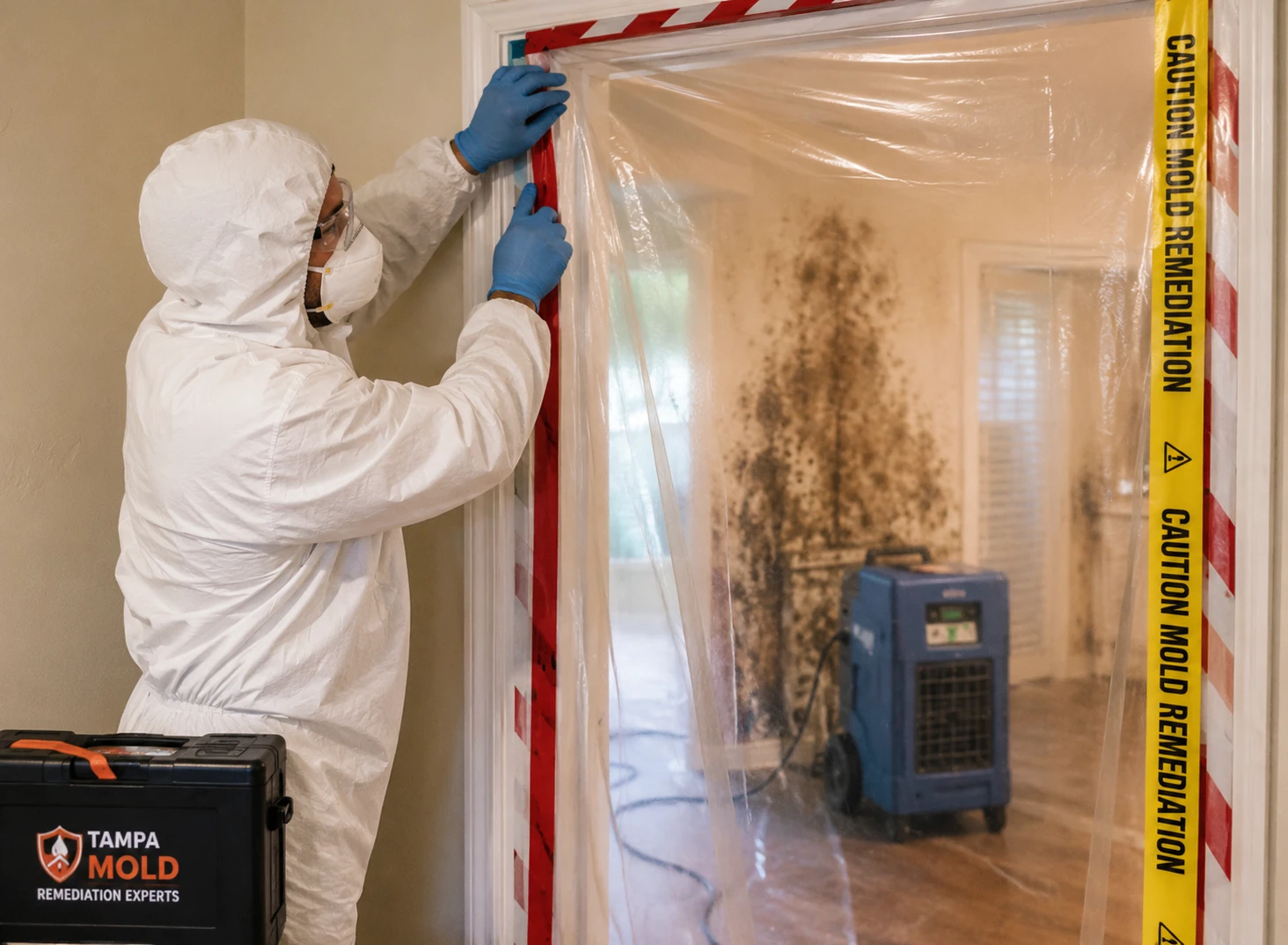
We seal off the affected area with proper containment and negative air pressure to prevent spores from spreading during the work — which matters as much in an open waterfront floor plan as it does in a tighter historic layout.
Removal & Treatment
Contaminated materials are carefully removed and surfaces treated with professional antimicrobial solutions. A note worth knowing: household bleach is not a mold solution — on porous surfaces it mostly adds water, which can make the problem worse. Real remediation removes the growth and treats the material correctly.
Moisture Source Correction
We identify what's actually feeding the mold — stucco cracks, a failed seal, storm-related intrusion, or an HVAC condensation issue — because removing the mold without fixing the cause just means it returns.
Verification
We confirm the area is genuinely clear before calling the job complete, with documentation that supports an insurance claim if the cause qualifies.
For full technical detail on our process and equipment, see our mold remediation & removal page — this page focuses on what's specific to Davis Islands properties.
Mold Remediation Services for Davis Islands Properties
Comprehensive moisture management, testing, and remediation tailored to Davis Islands' waterfront estates, dredged-fill ground, and historic Mediterranean Revival architecture.
Mold Inspection & Testing in Davis Islands
A proper mold inspection on Davis Islands starts with the island's realities: stucco that hides moisture, canal-front rooms under constant humidity load, and ground floors sitting close to the water table on dredged fill. Specialists use thermal imaging cameras and moisture meters to trace hidden leaks behind walls and under flooring — non-invasive tools that can "see" temperature differences indicating moisture without cutting into original plaster or historic finishes. You get documented findings on what's actually going on, not guesswork, and a clear picture of whether testing, remediation, or simply monitoring is the right next step.
Learn More About Mold Inspection & Testing →Black Mold Removal in Davis Islands
When black mold (Stachybotrys) shows up in a Davis Islands home, it's usually feeding on a hidden moisture source — a slow stucco leak, storm intrusion behind a seawall-facing wall, or condensation inside overworked ductwork. Safe removal means full containment with negative air pressure, HEPA-filtered air scrubbing during the work, careful removal of infested materials, and antimicrobial treatment of what remains. On historic island homes, the approach prioritizes preserving original materials wherever possible rather than defaulting to demolition.
Learn More About Black Mold Removal →Water Damage Restoration in Davis Islands
Storm surge, tropical downpours, and canal-front flooding are the island's signature water threats — Hurricane Helene proved how fast surge can push feet of water, including salt water, into island homes. Restoration starts with rapid extraction and structural drying, then addresses what the water left behind: moisture trapped in wall cavities, under flooring, and inside the ground floors that dry slower than mainland slabs. Every step is documented to support flood or homeowner's insurance claims, which matters enormously in a Zone AE floodplain.
Learn More About Water Damage Restoration →Water Extraction & Mitigation in Davis Islands
After any significant water event on the island — surge, storm flooding, or a major plumbing failure — the clock starts immediately, and island geography works against you: limited bridge access can delay response, while mold needs only 24 to 48 hours to establish. Mitigation means standing water extracted fast, industrial drying equipment placed to pull moisture from wall cavities and subflooring, and moisture readings tracked until materials genuinely test dry. The goal is simple: stop the water damage from becoming a mold problem on top of a water problem.
Learn More About Water Extraction & Mitigation →Odor Removal in Davis Islands
Musty odors in island homes almost always point to hidden moisture — behind stucco, inside wall cavities near the water-facing side, or in HVAC systems laboring against constant humidity and salt air. Covering the smell changes nothing; the source has to be found and corrected first. Once the moisture source is fixed and affected materials are remediated, professional odor treatments neutralize what's left in the air and soft materials, so the home smells clean because it actually is clean.
Learn More About Odor Removal →Air Quality & Purification in Davis Islands
Island humidity keeps HVAC systems running harder and longer than inland homes, and that workload — plus salt-air wear on components — makes ductwork and air handlers a common mold reservoir on Davis Islands. Post-remediation air scrubbing with HEPA filtration captures airborne spores stirred up during the work, and a frank assessment of the HVAC system identifies whether condensation or component wear is feeding recurring growth. Clean air here isn't a luxury add-on; on a waterfront island, it's part of doing the job right.
Learn More About Air Quality & Purification →Residential & Waterfront Commercial Properties
Davis Islands is predominantly residential, but the island also includes Tampa General Hospital, marina-adjacent commercial space, and businesses along the E Davis Boulevard retail strip. We handle both residential mold jobs — often tied to the island's age, construction, or a specific storm event — and commercial properties where fast response matters for continuity of operations.

Why Davis Islands Homeowners Call Us
Island-specific knowledge — dredged-fill ground, high water table, and canal-front exposure aren't theory here; they're the starting point of every assessment
Documented storm-surge experience — from Helene's 8-foot surge to the saltwater intrusion it left behind
Historic-home awareness — National Register-era stucco, tile, and plaster treated with care, inspected non-invasively
IICRC-Certified specialists — no revolving door of untrained subcontractors
24/7 emergency response — critical on an island where bridge access can complicate post-storm timing
Insurance-ready documentation — every finding documented to support flood or homeowner's claims in a Zone AE floodplain
Source correction, not just removal — the moisture cause gets fixed so the mold doesn't return
Serving all of 33606 — canal-front to interior streets, waterfront estates to historic originals
Before & After — Davis Islands Jobs
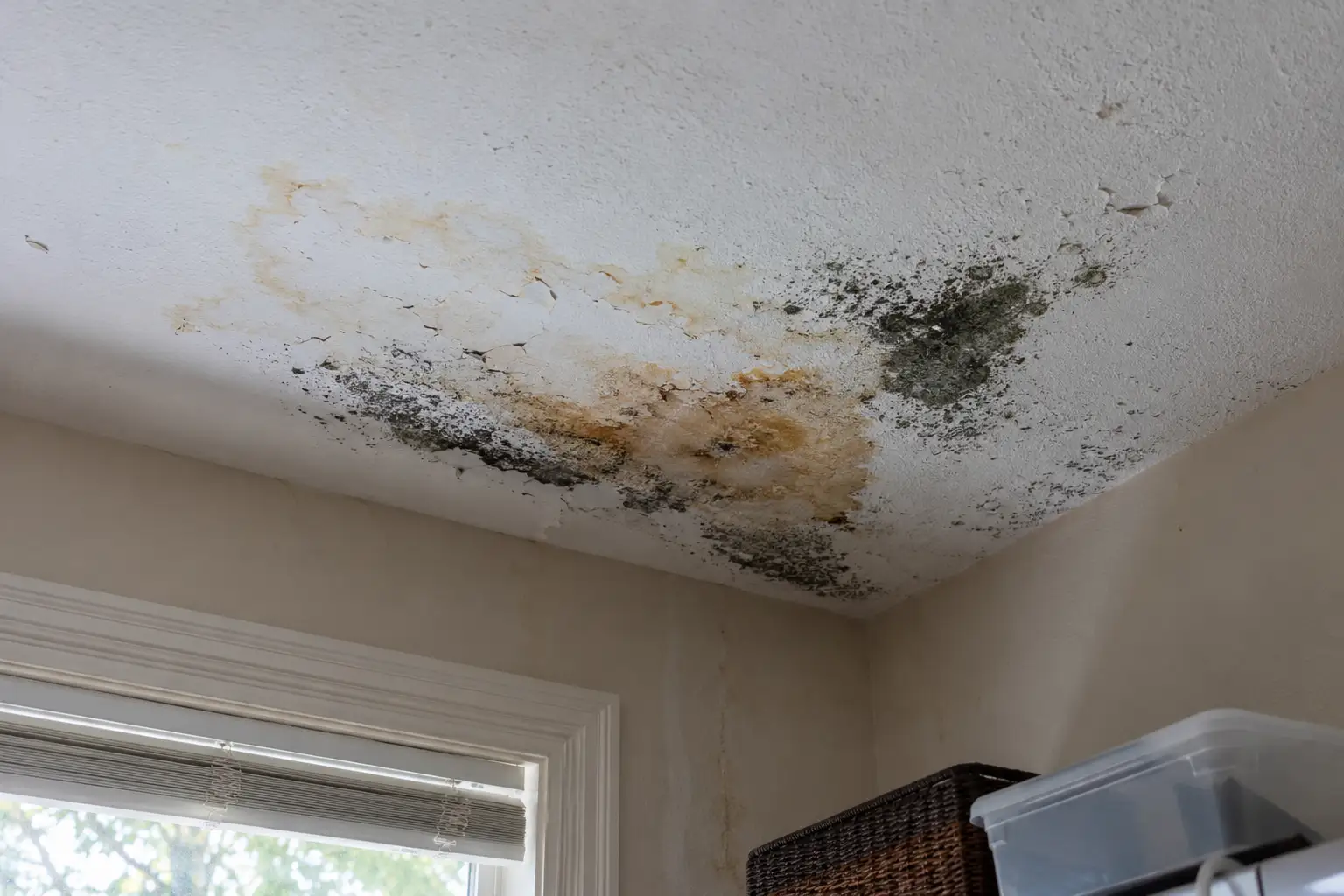
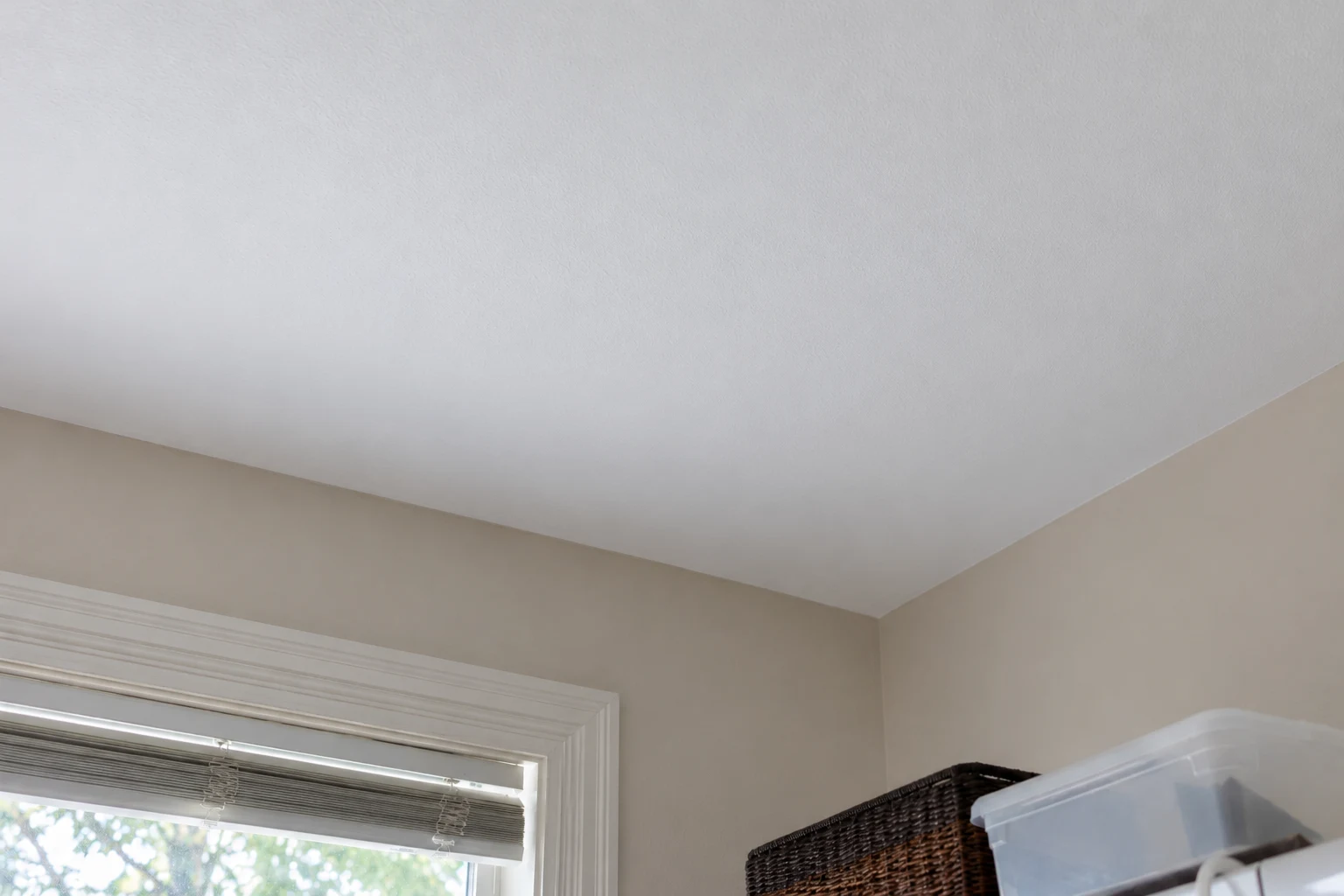
Attic mold damage — before / after remediation
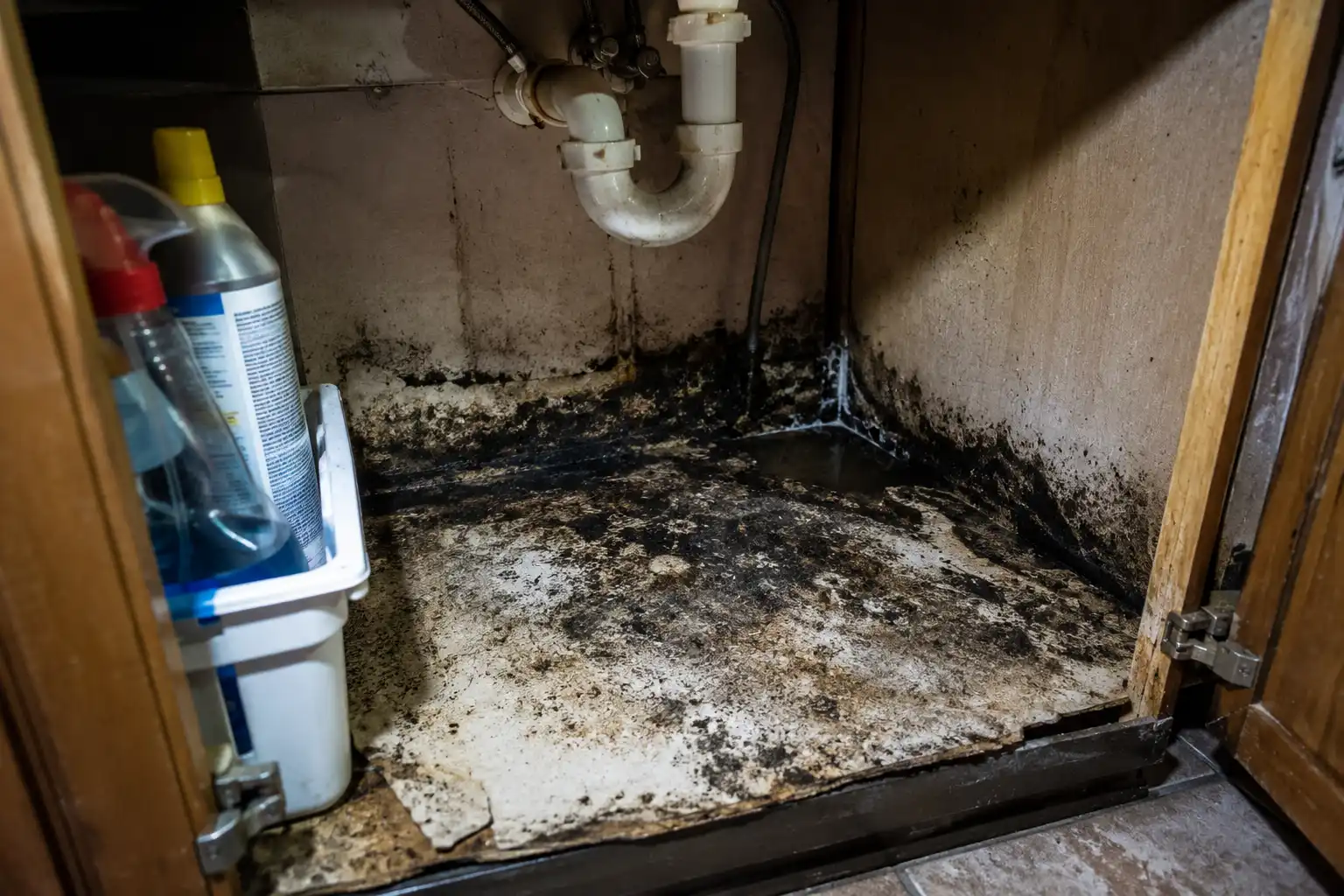
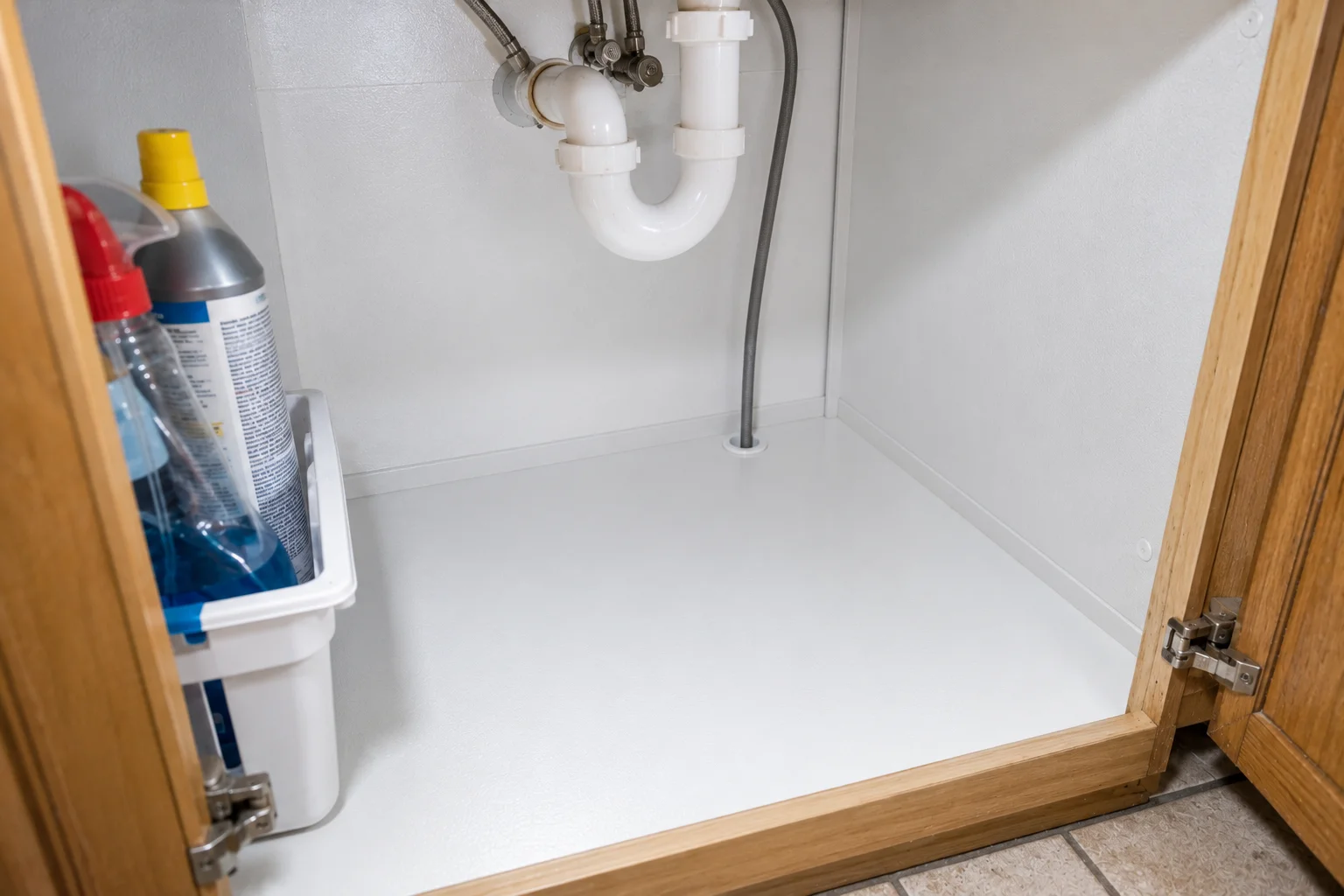
Crawl space moisture — before / after mitigation
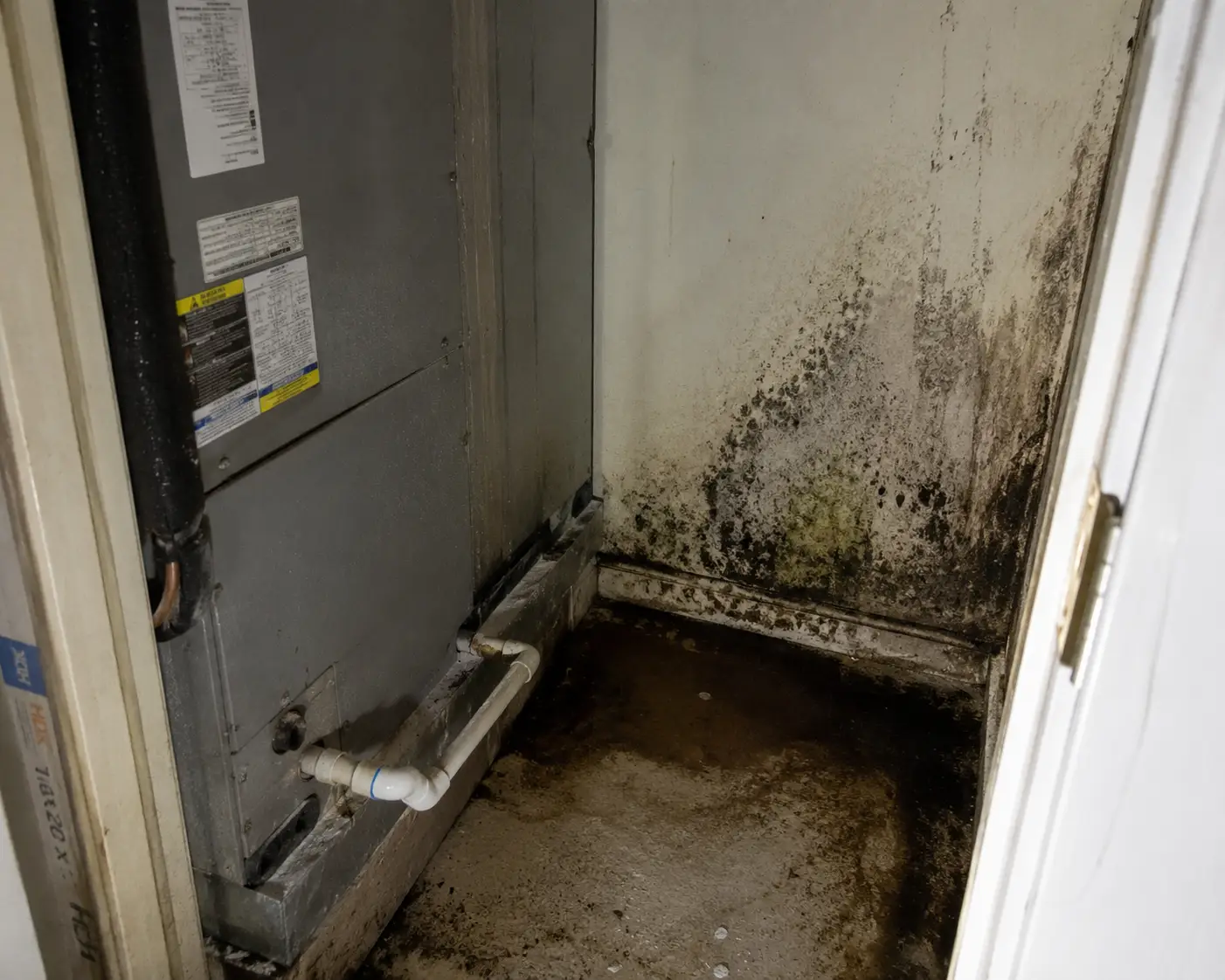
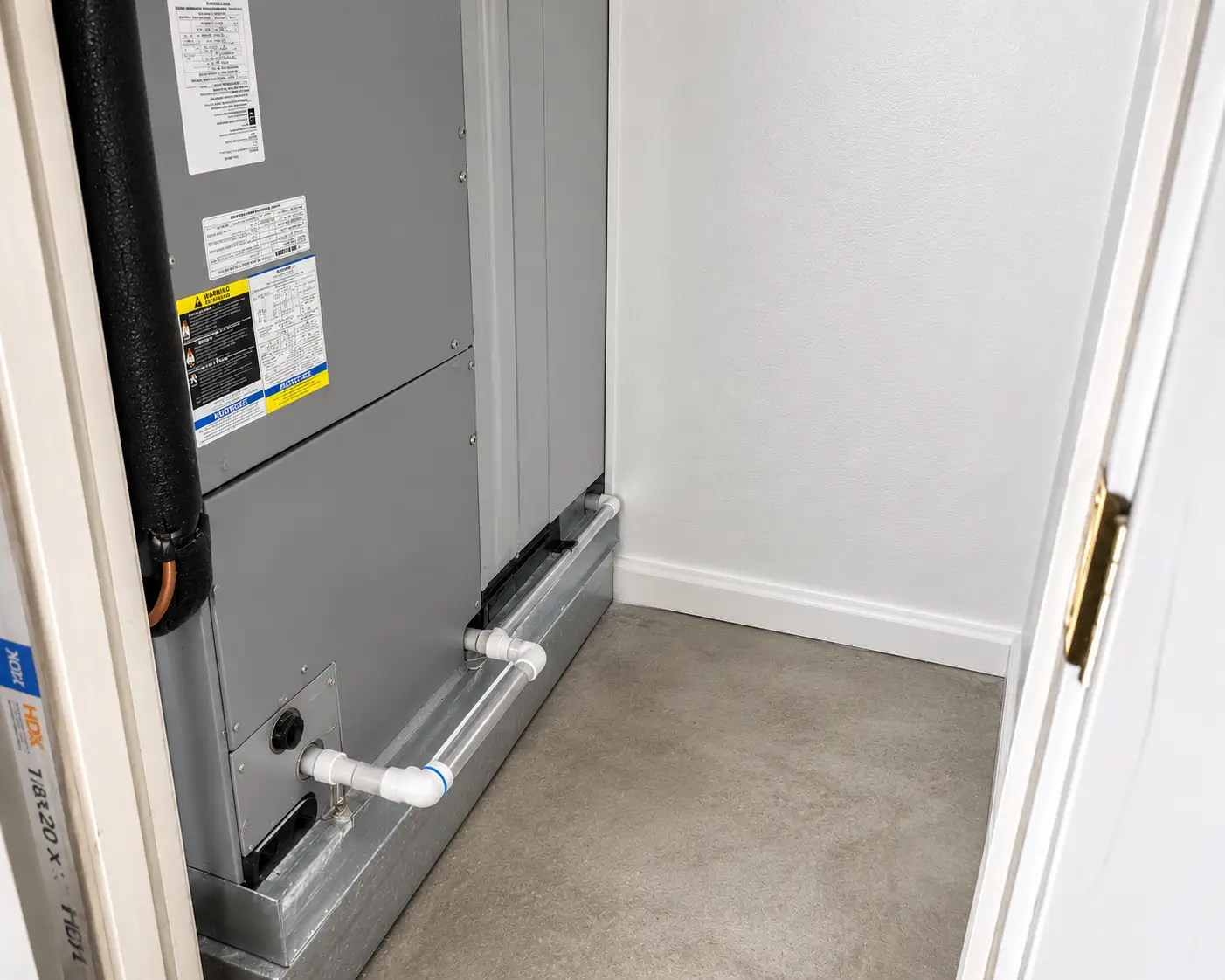
Drywall water damage — before / after restoration
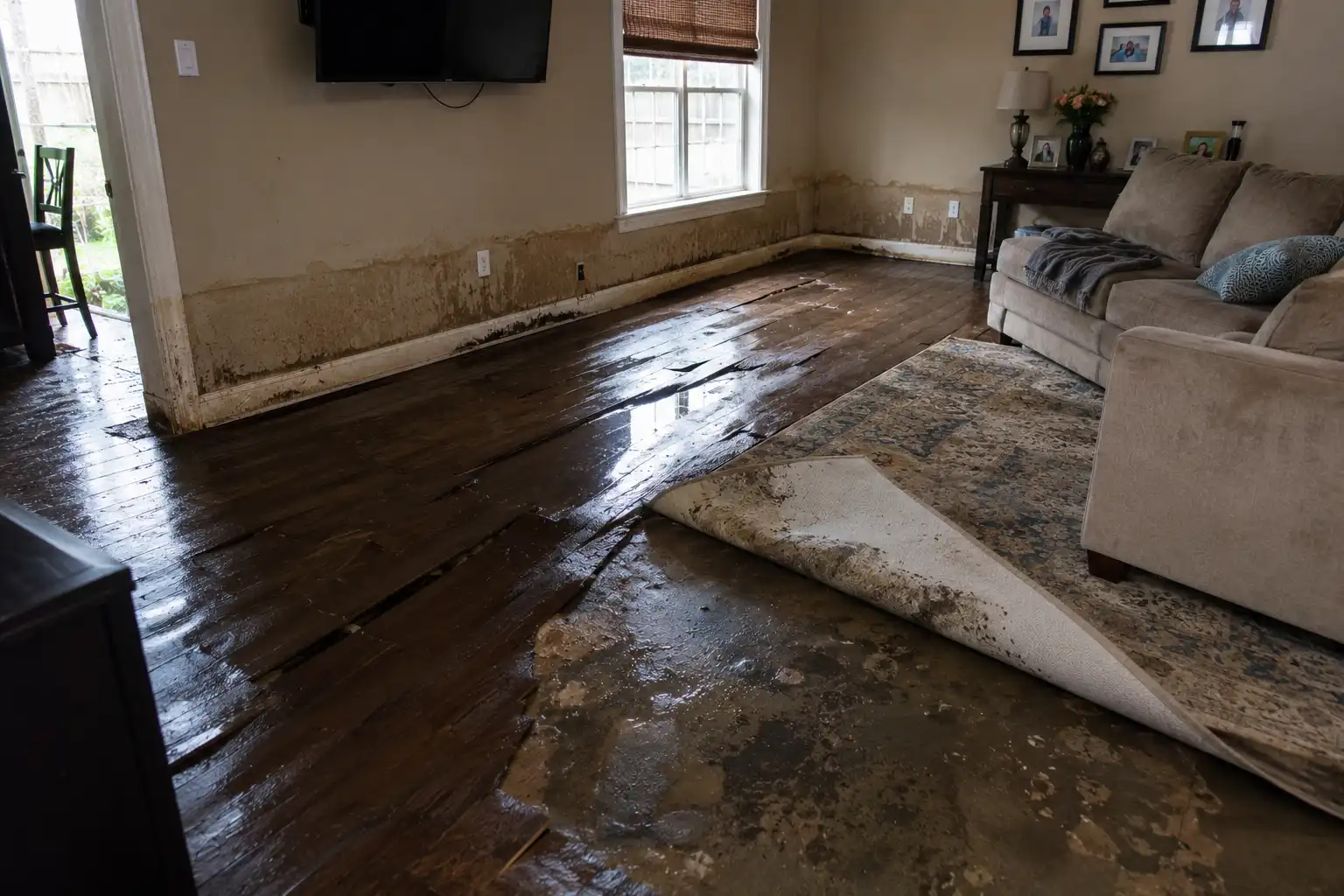
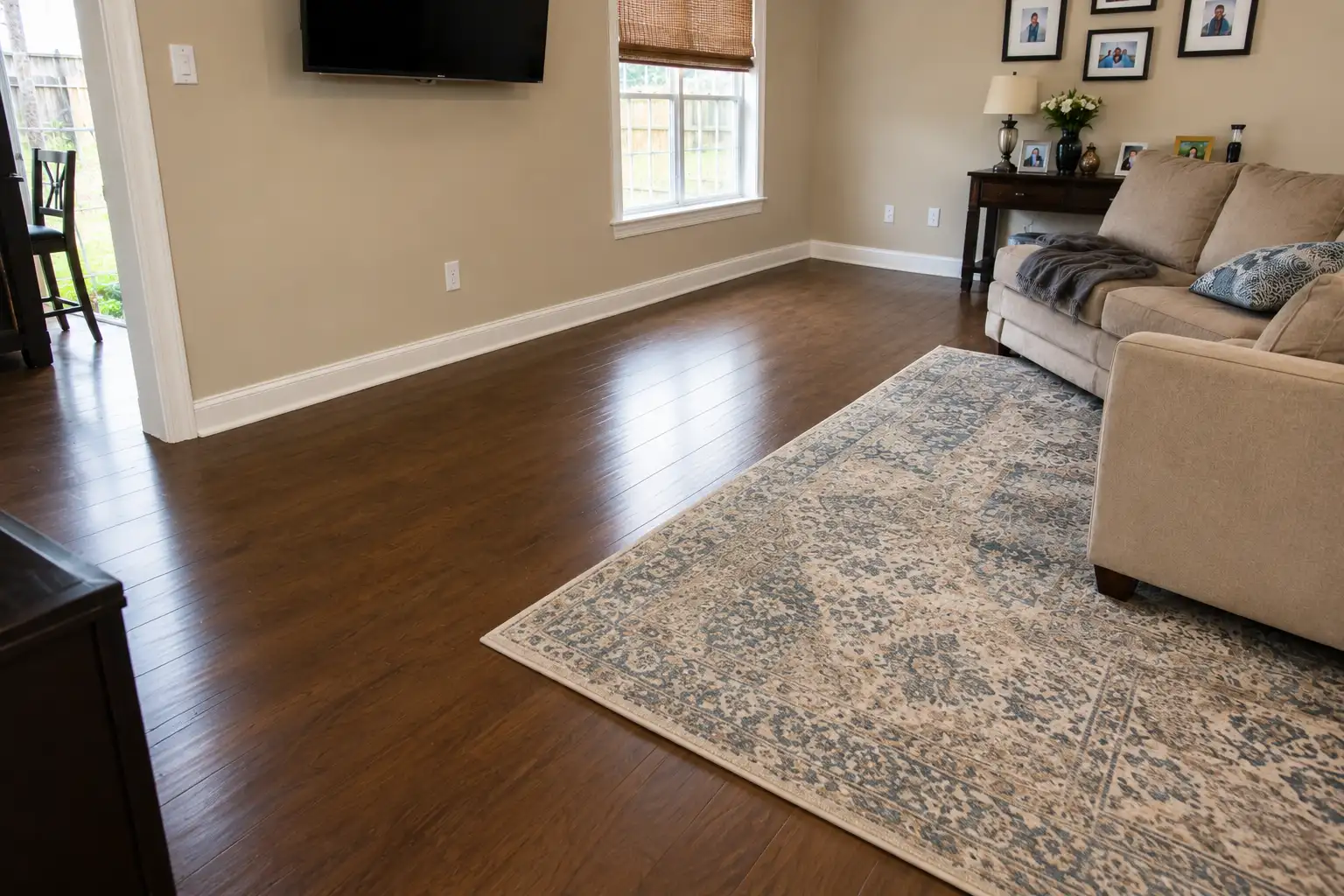
Wall mold growth — before / after removal
Awards & Certifications