South Tampa's Mold Problem Isn't Generic — Here's Why
Most mold companies write one page and swap the city name. That doesn't work for South Tampa, because the actual cause of mold here is specific to this peninsula — its age, its geography, and its exposure — not something you'd find the same way in a newer inland suburb.
South Tampa sits on the Interbay Peninsula, bordered by Tampa Bay to the west, Hillsborough Bay to the east, Kennedy Boulevard to the north, and MacDill Air Force Base to the south. That geography alone means water is never far away — and it shapes two very different but equally real mold risks depending on where in South Tampa you live.
Why South Tampa Homes Are Genuinely at Higher Risk
It's not just humidity — it's the plumbing underneath your floors.
Risk Factor 1 — Aging Plumbing
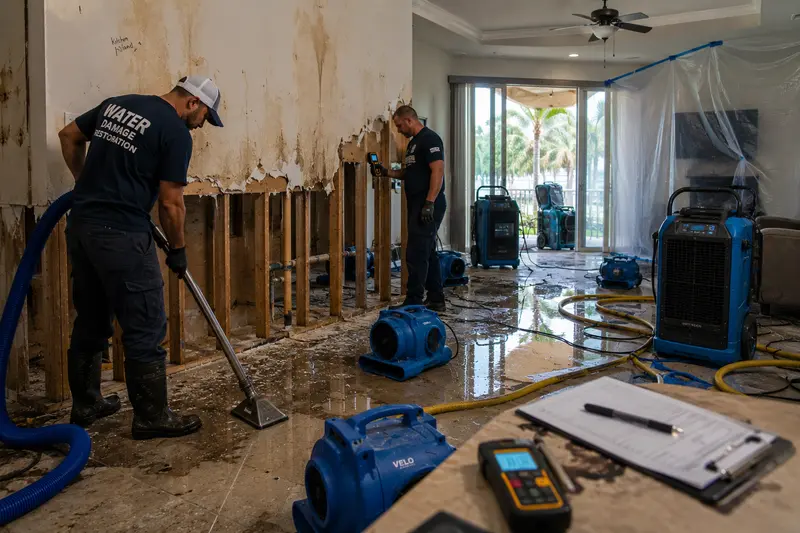
A huge share of South Tampa's housing stock — the historic homes throughout Hyde Park, the Mediterranean Revival homes in Beach Park and Palma Ceia, the mid-century homes near Ballast Point — was built between the 1920s and 1980s. Homes from that era typically have original galvanized steel water-supply lines, and galvanized pipe has a working lifespan of roughly 40 to 60 years. Do the math on a home built in 1955 or even 1978, and a lot of South Tampa's original plumbing is now at or past the point where internal rust and corrosion start causing slow, hidden leaks — the kind that soak into wall cavities and subflooring for months before anyone notices a stain. That's a textbook mold-feeding scenario, and it's specific to homes of this age, not a generic "Florida is humid" explanation.
Older sewer lines add another layer: cast-iron sewer piping common in pre-1975 construction thins and cracks over decades, which can mean backups and moisture intrusion at the point where a home meets its slab. And slab leaks themselves — common across older South Tampa properties due to shifting soil beneath decades-old under-slab pipes — often show up first as a warm or slightly damp spot on a tile floor, long before there's anything visibly wrong.
There's a real financial angle here too. Florida insurers have increasingly grown cautious about homes with plumbing systems older than 40 years, in some cases affecting renewability — and homes 30 years and older can trigger 4-point inspection requirements. For South Tampa homeowners in a 1930s Palma Ceia bungalow or a mid-century Ballast Point ranch, knowing the actual condition of what's behind the walls isn't just about mold — it's about the home's insurability.
Risk Factor 2 — Storm & Flood Exposure
Separately, homes closer to the water face storm and flood exposure. Low-lying neighborhoods along Bayshore Boulevard, through Hyde Park and Palma Ceia, and down into Ballast Point face storm surge exposure from both Hillsborough Bay and the Hillsborough River — a double exposure most of Tampa doesn't share. When Hurricane Helene pushed a storm surge of roughly 7 feet into Tampa Bay in September 2024, followed two weeks later by Hurricane Milton's intense rainfall across Hillsborough County, homes in this part of South Tampa weren't dealing with a hypothetical risk — many saw it directly, and mold growth in the weeks after was a real, common follow-on problem for properties that took on water.
Put those two factors together — aging plumbing feeding slow hidden leaks, and direct storm/flood exposure along the waterfront — and South Tampa genuinely has two distinct, overlapping paths to a mold problem that a lot of other Tampa neighborhoods don't combine the same way.
Florida Law Protects You (F.S. §468.8419)
We're upfront about this: we offer both mold inspection and mold remediation. Florida law takes the conflict-of-interest question seriously — under Statute §468.8419, a licensed mold assessor generally cannot perform remediation on the same property they formally assessed within the previous 12 months. That's why we keep the roles clear: our inspections identify visible mold and moisture sources, formal testing goes to an independent certified laboratory, and post-remediation clearance is verified by independent lab testing — so the scope of work is based on what your South Tampa property actually needs, not on what sells a bigger job. We operate within Florida's licensing framework (DBPR) and follow the IICRC S520 Standard for Professional Mold Remediation on every South Tampa job.
Where We Typically Find Mold in South Tampa Homes
Based on the property types and construction patterns common across the peninsula:
Original bathrooms in 1920s–60s homes — small, often poorly-ventilated, with original tile and grout that hides moisture well.
Behind walls near old supply lines — especially in homes with original or partially-updated galvanized plumbing.
Around slab penetrations — where aging under-slab pipes are most likely to develop leaks.
Attics in older Hyde Park and Beach Park homes — original roof structures with ventilation that wasn't designed for modern insulation standards. (Attic mold removal in South Tampa is one of our most common calls in historic neighborhoods.)
Ground-floor areas of homes closer to Bayshore and Ballast Point — the properties most exposed to storm surge and post-storm humidity.
HVAC systems in homes with retrofitted ductwork — added air conditioning in structures never originally designed for it can create condensation issues where ducts pass through older wall cavities.
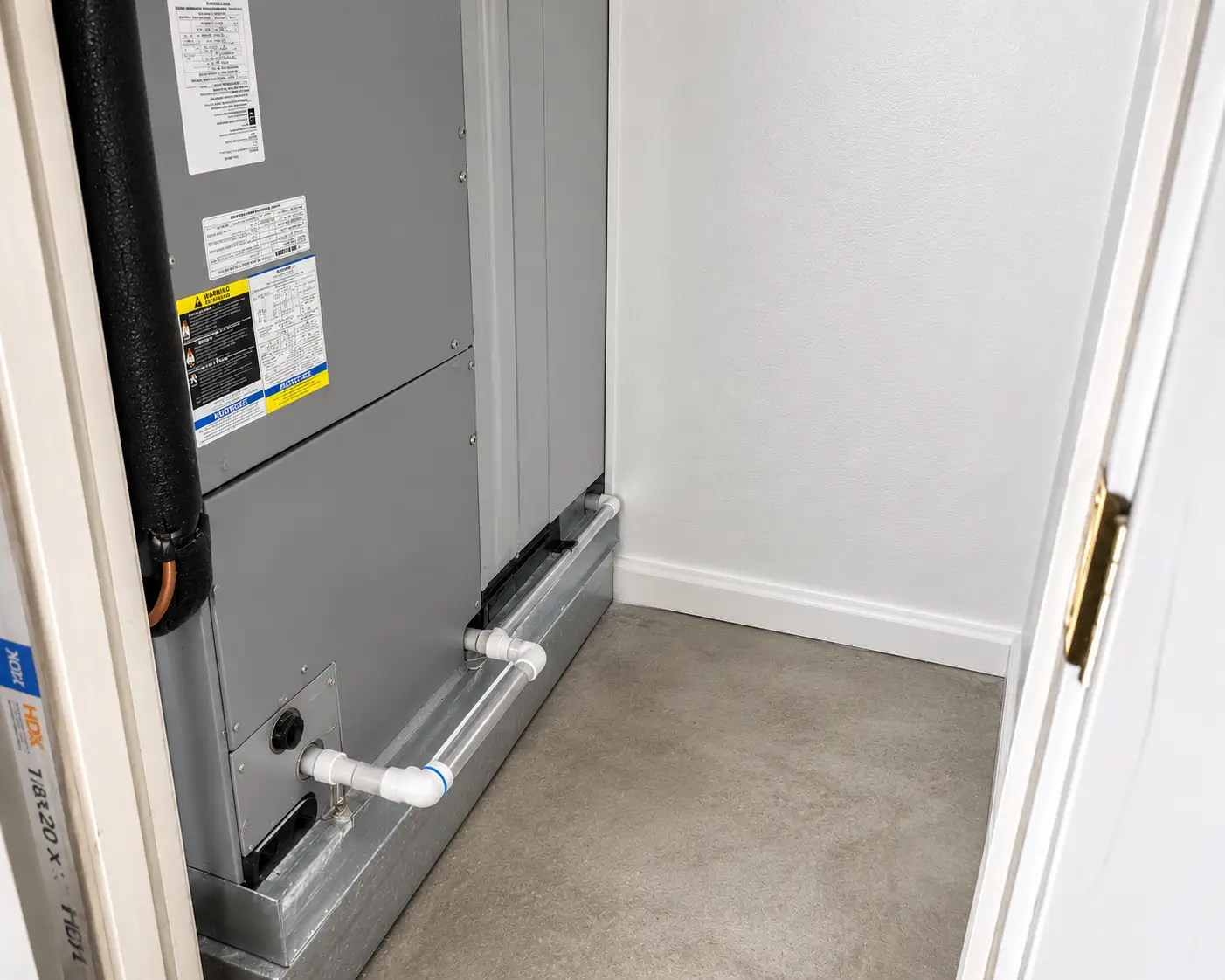
AC closets and condensate drain lines — Florida's humidity makes condensate drain clogs frequent; a backed-up line can dump gallons of water per day silently inside walls and closets.
Other Areas We Serve
Beyond South Tampa, our teams serve these nearby areas:
Our Mold Remediation Process in South Tampa
We handle the full path from inspection to a verified clean result, using the same licensed process across every South Tampa property, whether it's a 1920s Hyde Park bungalow or a newer build near Westshore.
1. Inspection & Assessment
We locate visible and hidden mold using moisture meters and thermal imaging — especially important in older homes where slow leaks behind original plumbing rarely show themselves on the surface right away.
2. Containment
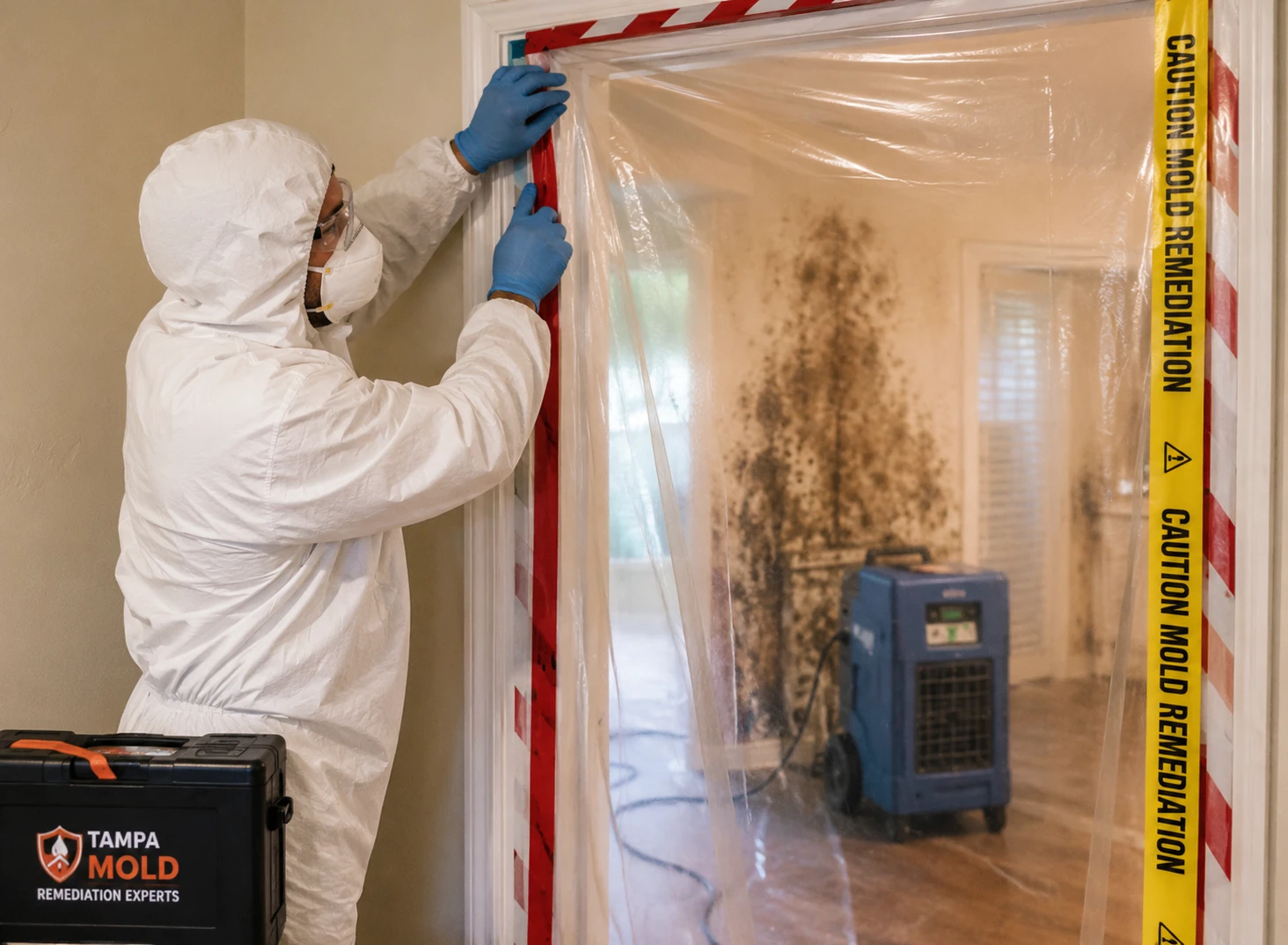
We seal off the affected area to prevent spores from spreading into unaffected rooms during removal — a step that matters even more in the tighter floor plans common to South Tampa's historic bungalows.
3. Removal & Treatment
Contaminated materials are safely removed and surfaces treated with antimicrobial solutions, following the same EPA-aligned protocol regardless of mold species.
4. Moisture Source Correction
We identify what's actually feeding the mold — whether that's an aging pipe, a slab leak, or storm-related water intrusion — because removing mold without fixing the source just means it comes back.
5. Verification
We confirm the area is genuinely clear before calling the job complete.
For full technical detail on our process and equipment, see our mold remediation & removal page — this page focuses on what's specific to South Tampa properties.
Our Services in South Tampa
Full-service mold and water damage support for South Tampa's homes and businesses — every service below is available across the Interbay Peninsula, from Hyde Park to Port Tampa. Each service gets proper coverage here, so whether you're searching for mold remediation or a specific service like black mold removal in South Tampa, you'll find real answers on this page.
Mold Inspection & Testing in South Tampa
A mold inspection in South Tampa starts with the moisture, not just the visible spots. In older bungalows across Hyde Park and Palma Ceia, slow plumbing leaks hide behind original walls for months — so we use moisture meters and thermal imaging to map damp areas before opening anything, then collect air and surface samples for lab-verified analysis when testing is warranted. We also handle post-storm assessments after surge and flooding events, and pre-purchase inspections for buyers looking at historic South Tampa homes who want to know exactly what they're walking into.
Learn more →Black Mold Removal in South Tampa
Black mold removal in South Tampa demands proper containment first — especially in the tighter floor plans of historic bungalows, where spores spread fast without it. When Stachybotrys or other heavy growth is found in a Hyde Park property or a waterfront home near Ballast Point, local specialists seal the work area under negative pressure, remove contaminated material safely, and treat affected surfaces with antimicrobial solutions. Every job follows the same EPA-aligned protocol regardless of mold species, and the moisture source gets fixed so the growth doesn't return.
Learn more →Water Damage Restoration in South Tampa
Water damage restoration in South Tampa has local fingerprints — Helene-era storm surge along Bayshore Boulevard, burst galvanized pipes in 1960s ranch homes, slab leaks that surface as warm spots on tile floors. We handle the complete path: emergency extraction, structural drying with commercial equipment, and mold-safe restoration preparation. Because mold can begin within 24 to 48 hours of a moisture event, our process treats every water job as a mold-prevention job from the first hour.
Learn more →Water Extraction & Mitigation in South Tampa
When flooding or a burst pipe hits a South Tampa home, water extraction and mitigation can't wait — standing water wicks into drywall, subflooring, and wall cavities fast in Florida humidity. Our teams extract standing water, deploy drying equipment, and verify moisture levels return to normal before leaving. Available for residential and commercial properties across the Interbay Peninsula, including retail and office spaces along Bay to Bay Boulevard and MacDill Avenue.
Learn more →Odor Removal in South Tampa
That musty, damp smell in an older South Tampa home isn't just unpleasant — it's usually the signature of hidden moisture feeding mold somewhere you can't see. Odor removal here means tracing the smell to its source: behind bathroom tile in 1920s–60s homes, inside wall cavities near old supply lines, or in HVAC systems circulating stale air. We eliminate odors at the source rather than masking them, including post-remediation deodorization after mold jobs.
Learn more →Air Quality & Purification in South Tampa
After mold remediation — or in homes where retrofitted HVAC ductwork has been spreading spores through older wall cavities — the air itself needs attention. Our air quality and purification service for South Tampa homes includes post-remediation HEPA air scrubbing to capture airborne particles, plus purification strategies for ongoing humidity-driven air issues. If your home smells fine but the air feels heavy, testing tells us exactly what's floating in it.
Learn more →Why South Tampa Homeowners Call Us
Moisture-source-first process — we fix the cause, not just the visible mold
Written, itemized scope before any work begins
Full documentation packet for insurance claims (moisture readings, photo log, itemized scope, cause-of-loss report)
Local South Tampa experience — from Hyde Park historic homes to Ballast Point waterfront properties
Honest assessments, compliant with Florida's assessor/remediator separation law
Residential & Commercial in South Tampa
South Tampa is largely residential, but the peninsula also includes office space, retail along Bay to Bay Boulevard and MacDill Avenue, and commercial buildings near Hyde Park Village and the Westshore-adjacent business areas. We handle both — residential mold jobs tied to a home's age or a specific water event, and commercial jobs where fast turnaround matters to limit business disruption.

Before & After — South Tampa Jobs
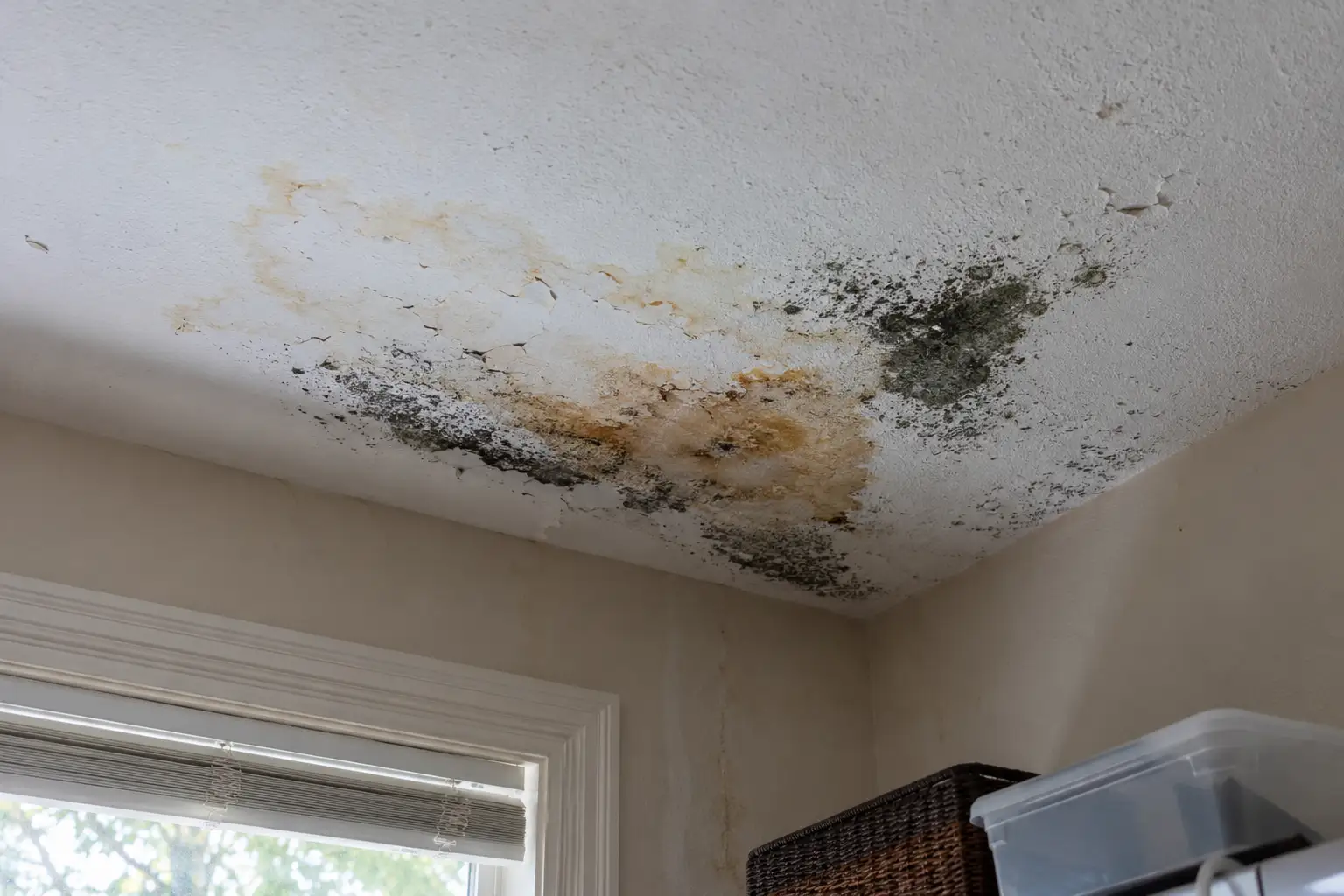
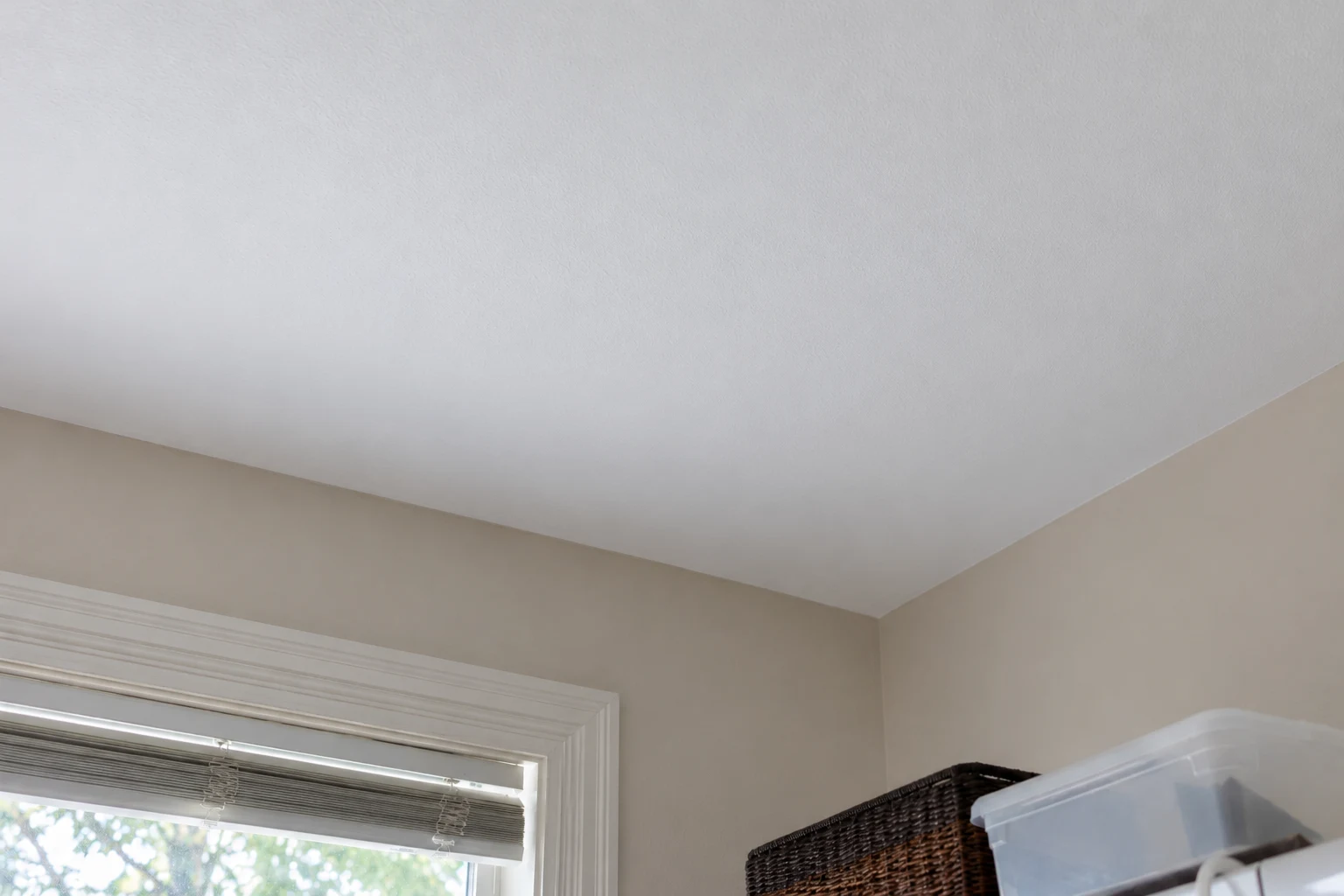
Attic mold damage — before / after remediation
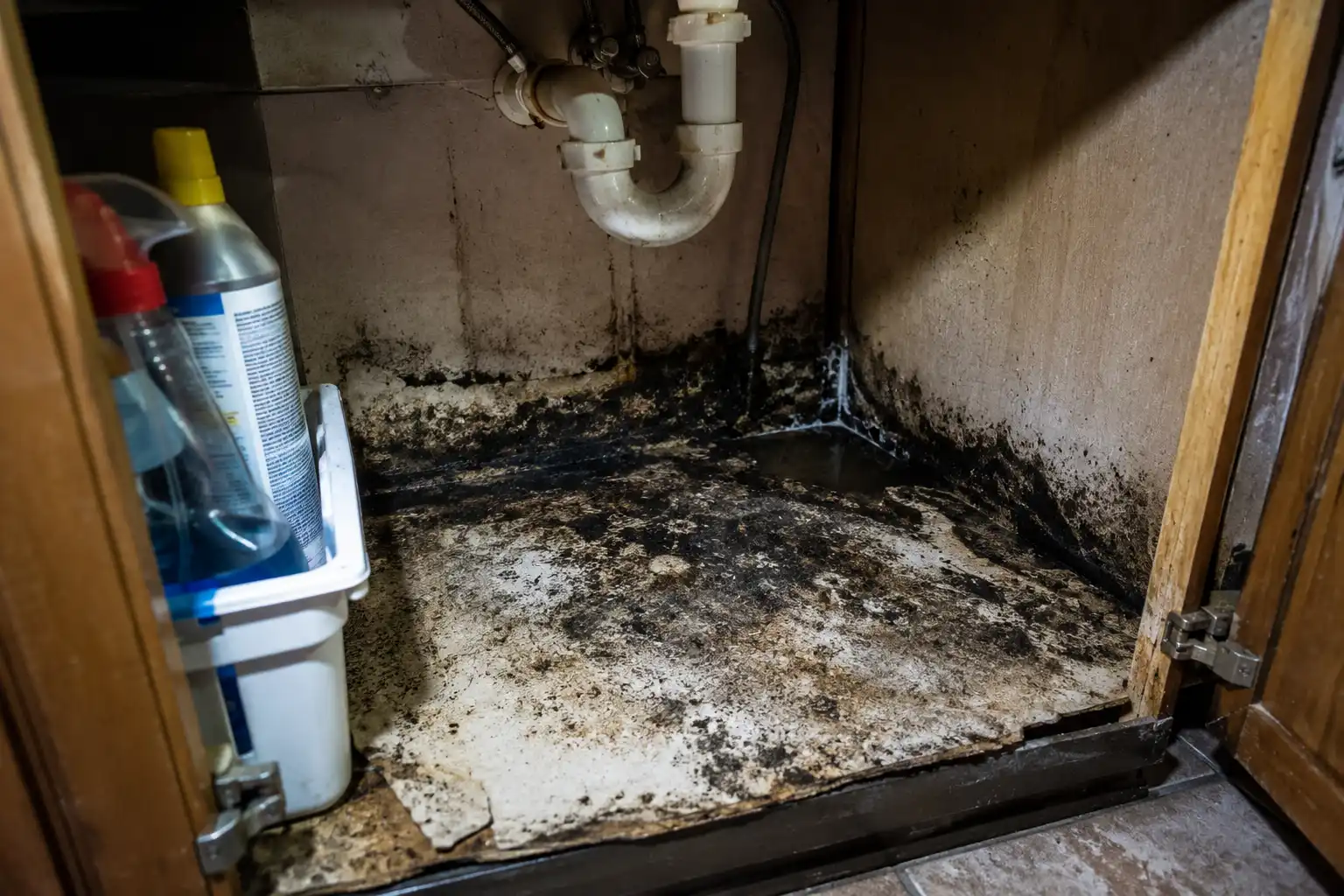
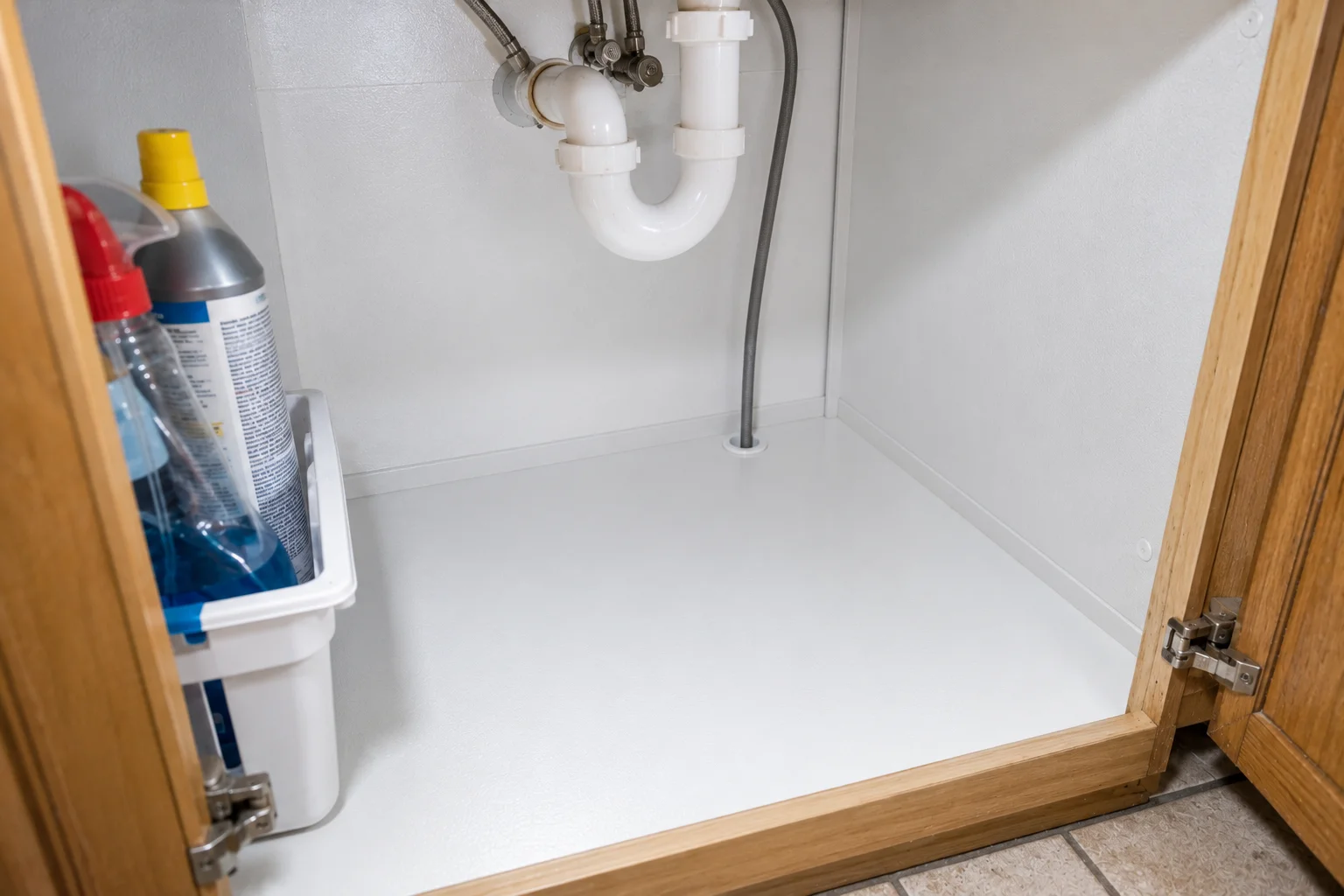
Crawl space moisture — before / after mitigation
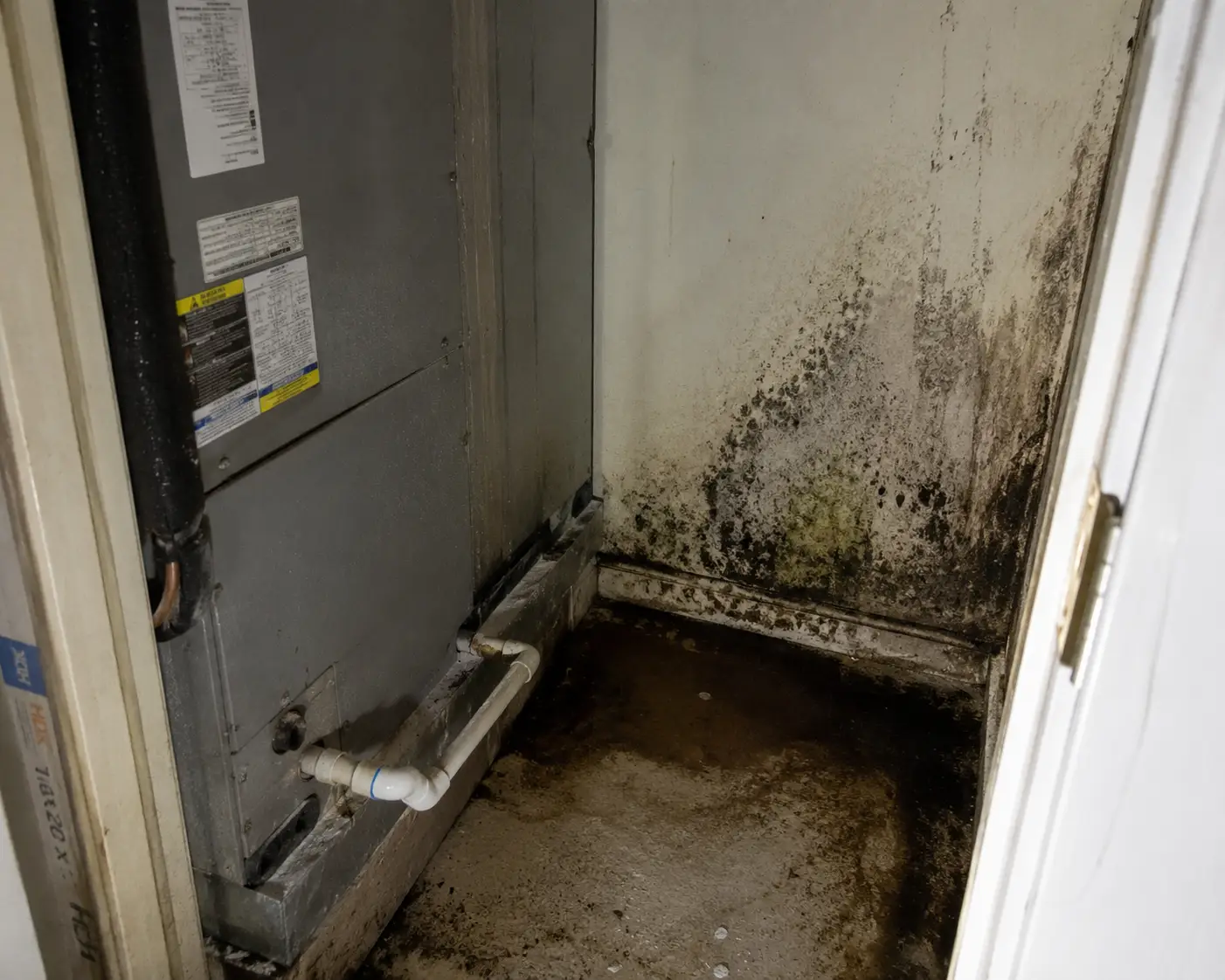
Drywall water damage — before / after restoration
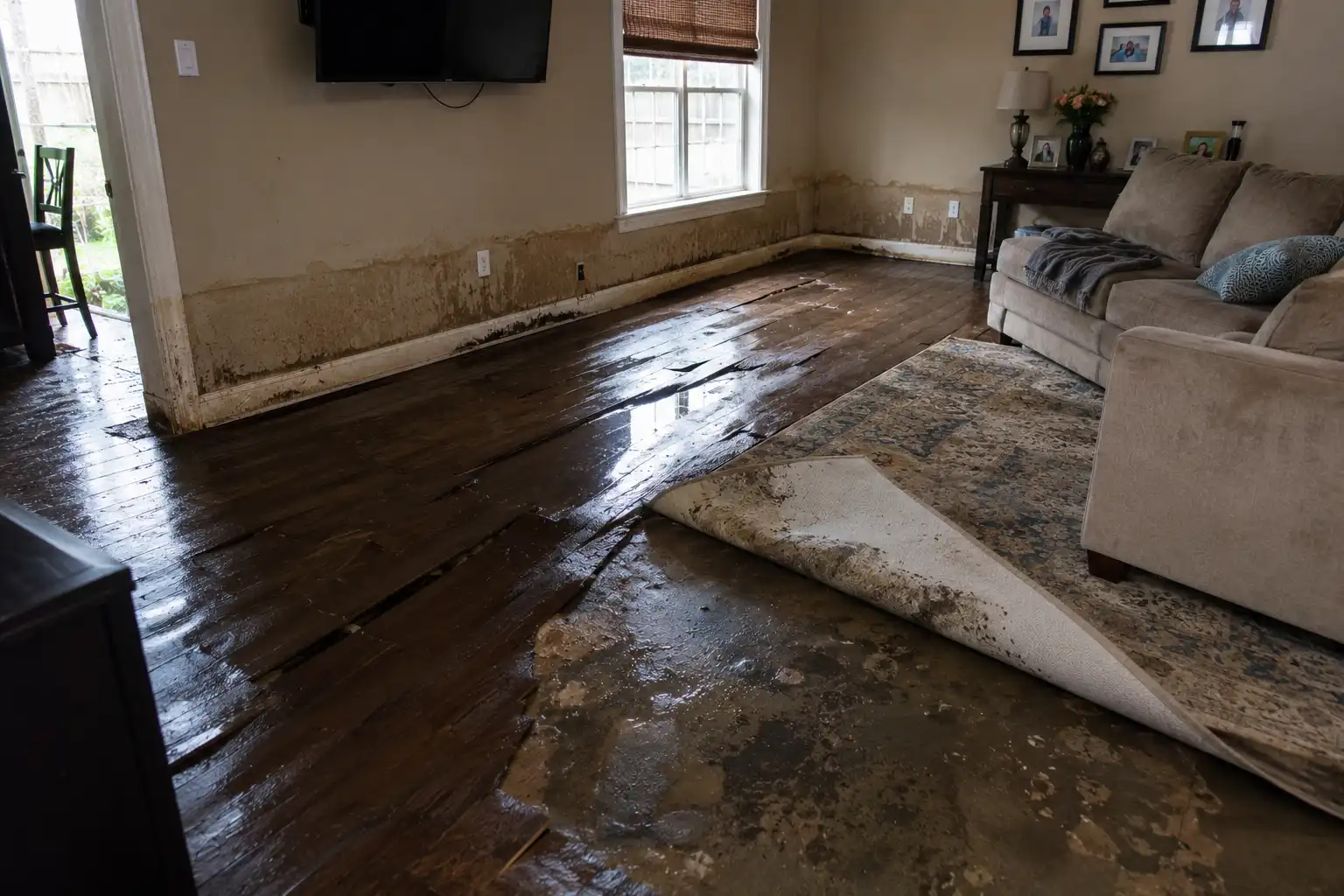
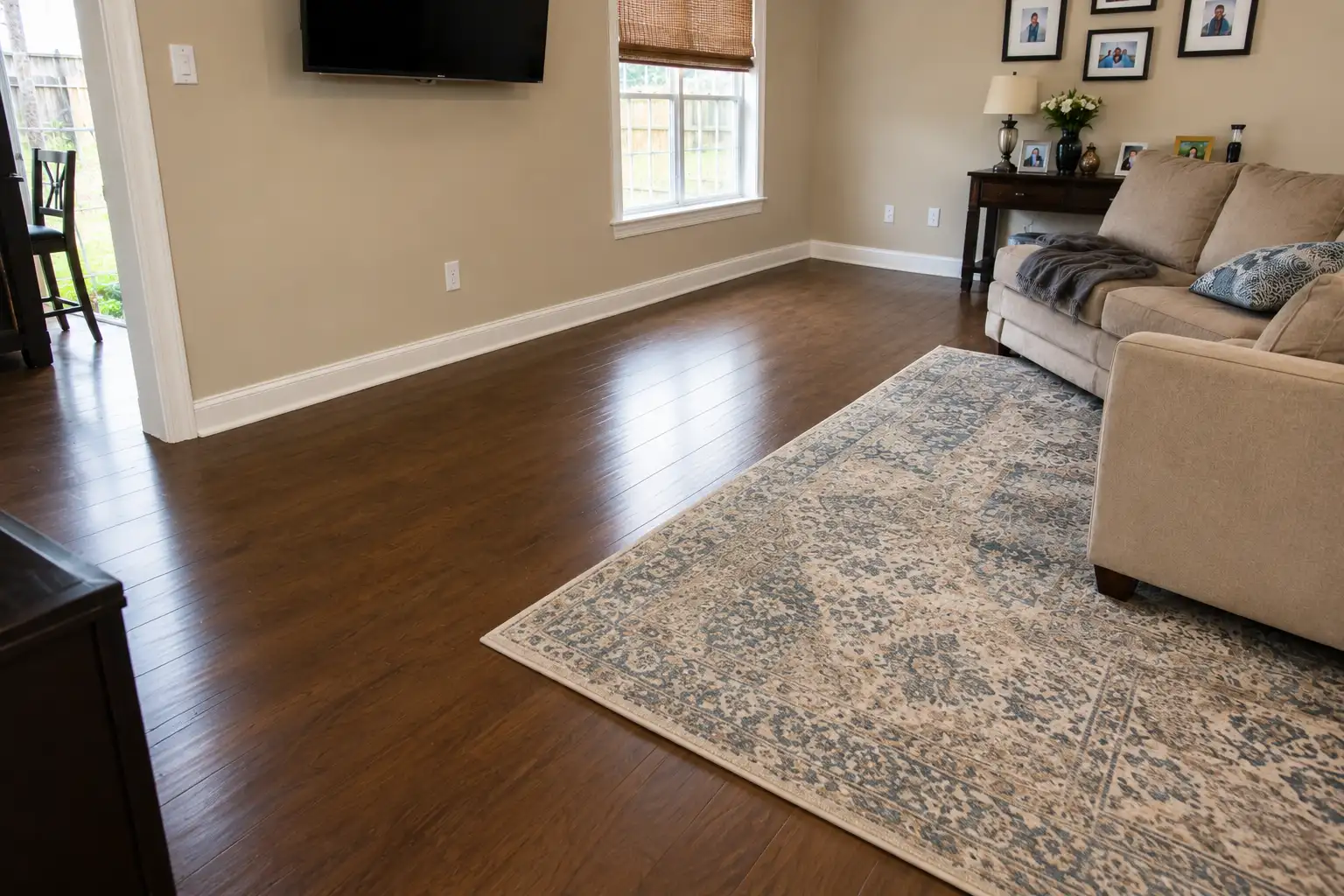
Wall mold growth — before / after removal
Awards & Certifications