Mold Inspection vs. Mold Testing: What's the Difference?
Mold Inspection
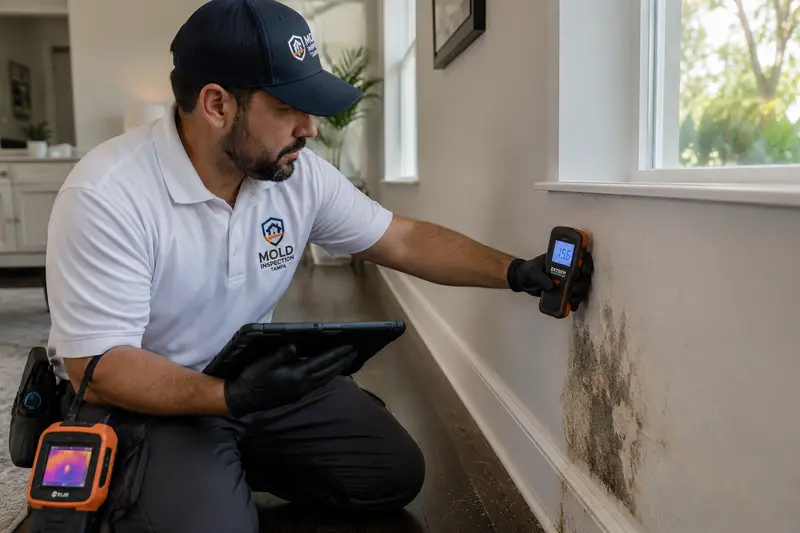
A mold inspection is a visual assessment. An inspector examines your property for visible mold and the moisture problems that cause it. The core tool is simple: a bright flashlight, plus moisture meters and thermal imaging to spot hidden dampness.
Answers: Is there visible mold, and where is the moisture coming from?
Mold Testing
Mold testing is sample collection sent to a lab. Testing uses air-cassette samples or physical swab samples that go to an independent laboratory. Officially, mold can't be confirmed as mold until a lab verifies the sample.
Answers: What type of mold is this, and how many spores are in the air?
The Part Most Companies Won't Explain
A proper mold test always includes an outdoor control sample. Mold exists everywhere — outside your home right now, in normal amounts. So a real test collects at least three samples: one outdoors as a baseline, and two or more indoors.
If your indoor spore counts are significantly higher than the outdoor baseline, that points to a mold colony growing inside. Without that outdoor control, an indoor "positive" result means almost nothing — because everything tests positive for some mold.
When Do You Need Testing, Not Just an Inspection?
If you can already see a large patch of mold, you may not need a test to know you have a problem — you need it removed. Testing matters most when mold is hidden, when you need to identify the species, when you're in a real estate transaction, when there's an insurance claim, or to confirm a cleanup worked (called post-remediation verification).
Common Mold Types We Test for in Tampa
Tampa labs most often identify these species in local homes — testing tells you exactly which one you're dealing with:
Signs You Need a Mold Inspection in Tampa
Mold doesn't always show itself. In Tampa's climate it often grows behind walls, under flooring, or inside your HVAC system before you ever see a spot. Call for an inspection if you notice any of these:
What Happens If You Ignore It
Mold doesn't pause while you decide what to do. Because it can double quickly in Tampa's humidity, a small, cheap-to-fix problem can turn into a major one fast. Left alone, mold spreads into drywall, insulation, and framing — turning a simple cleanup into a demolition-and-rebuild job.
It can damage your home's structure, hurt its resale value, and contribute to ongoing allergy and respiratory symptoms for the people living there. Catching it early, while it's still contained, is always cheaper and easier than waiting.
Call Now — Catch It Early: (813) 845-8355Our Mold Inspection & Testing Process
We keep it straightforward, and we explain each step as we go.
Schedule Your Inspection
Call now. For urgent situations — active leaks, post-storm flooding — we offer same-day appointments when available.
Detailed Visual Inspection
An inspector examines your property with a bright flashlight, moisture meters (both pin-type and non-invasive), and thermal imaging cameras. The infrared camera reveals moisture behind walls and ceilings that the naked eye can't see — which is where hidden mold usually starts.
Testing & Sample Collection (If Needed)
If testing is warranted, we collect air-cassette and surface-swab samples — including an outdoor control sample — following proper methodology.
Independent Lab Analysis
Samples go to a certified third-party laboratory that identifies the mold species and measures spore counts against your outdoor baseline.
Clear Written Report
You get a detailed report with photos, findings, and lab results explained in plain language — not jargon. Lab results typically come back within 24 to 48 hours.
Honest Next Steps
We tell you what the results actually mean and what (if anything) needs to happen — including whether professional remediation is genuinely necessary.
How a Professional Actually Finds Hidden Mold
Finding mold isn't just walking around looking for black spots. Experienced inspectors look for moisture first — because moisture is what turns harmless settled spores into an active colony.
Here's a detail most homeowners never hear: mold usually colonizes on household dust first. Dust is made of tiny broken bits of building materials and skin cells — essentially pre-made food for mold. Add humidity forming tiny water droplets on a dusty surface, and you have everything a colony needs: moisture, food, and the right temperature.
That's why a trained inspector uses a high-powered flashlight held at an angle to tell the difference between ordinary dust and early colonization. Colonization looks less even, less uniform than the fine, evenly-settled dust you'd expect. Common hidden spots include inside and underneath drawers, along the tops of cabinet doors, and behind furniture — cooler, dustier places that rarely get cleaned. The healthy-home rule inspectors live by is simple: clean and dry. Not just dry — clean and dry.
The Healthy-Home Rule
The rule inspectors live by is simple: clean and dry. Not just dry — clean and dry.
Tools Professional Inspectors Use
High-Powered Flashlight
Held at an angle to reveal colonization vs. ordinary dust — a technique that takes experience to read correctly.
Pin-Type & Non-Invasive Moisture Meters
Measure moisture inside walls, floors, and ceilings — both with and without penetrating the surface.
Thermal Imaging Camera
Reveals temperature differences that indicate moisture behind walls and ceilings — invisible to the naked eye.
Air Cassette Samplers
Calibrated equipment that captures air samples — always including an outdoor control — for certified lab analysis.
The "Conflict of Interest" Question — Answered Honestly
If you've researched mold companies, you've probably seen the advice: "Don't hire a company that does both the testing and the removal — it's a conflict of interest." It's a fair concern, and it's worth understanding.
The worry is real: if a company gets paid more for finding more mold, it has an incentive to overstate the problem. Florida law takes this seriously. Under Florida Statute 468.8419, a licensed mold assessor generally cannot perform the remediation on the same property they assessed within 12 months — the state deliberately separates the two roles to protect homeowners.
So How Do We Handle It?
We're upfront about the fact that we offer both inspection and remediation. When you have visible mold and clearly need it removed, a formal paid lab assessment often isn't even necessary — you need the problem fixed.
When lab testing is the right call, we explain exactly why, show you the results against your outdoor control sample, and let the lab data — not a sales pitch — decide what happens next. If testing shows your home is fine, we tell you it's fine. Honest reporting is the only thing that keeps customers long-term.
"We'd rather earn your trust by explaining this openly than pretend the question doesn't exist."
Why a Professional Test Beats a DIY Kit
DIY Petri-Dish Kits
Home-store mold test kits — the petri-dish type — are cheap, and they'll almost always show something. That's exactly the problem. Mold is everywhere, so a dish left open in any Florida home will grow mold in a day or two whether or not you have an actual mold problem. A dish that "grows mold" tells you nothing about whether your indoor air is worse than normal.
Professional Lab Testing
A professional test is different in three ways: it uses calibrated air-sampling equipment, it always compares your indoor air to an outdoor control sample, and the results come from an accredited lab. That's what tells you whether you have a real, elevated problem — and DIY kits generally won't hold up for an insurance claim or a legal dispute the way lab-verified results will.
Does Insurance Cover Mold Testing in Florida?
Sometimes — it depends on the cause. If your mold resulted from a sudden, covered event like a burst pipe or an appliance overflow, your homeowners policy may cover testing and remediation. Mold that developed slowly from long-term humidity or unaddressed maintenance is usually excluded.
Because the cause is everything, documentation matters: a proper inspection with lab results and moisture readings gives your insurer the evidence they need. We document thoroughly and can help you understand what your specific situation calls for.
Call (813) 845-8355 — Speak With a SpecialistSudden Events — Often Covered
Burst pipe, appliance overflow, storm intrusion — sudden covered events typically qualify.
Gradual Moisture — Usually Excluded
Long-term humidity, poor ventilation, or unaddressed maintenance is typically not covered.
Documentation Is Everything
Thorough moisture readings, photos, and accredited lab results give your insurer the clear proof they require.
What Affects Inspection & Testing Costs
Every property is different, so honest pricing depends on a few factors:
Property Size
More rooms and square footage means more areas to assess.
Number of Samples
Air and surface samples each go to the lab separately.
Test Type
Air-cassette testing, surface swabs, or both.
Urgency
Standard lab turnaround vs. rush results.
You get clear, upfront pricing before any work begins — no hidden fees, and we'll tell you honestly when testing isn't necessary.
Serving Tampa & Surrounding Neighborhoods
We provide mold inspection and testing throughout Tampa, including South Tampa, Davis Islands, Ybor City, Hyde Park, and Seminole Heights — plus Downtown, Channel District, Westshore, New Tampa, and nearby areas. Each has its own moisture challenges, from waterfront humidity on Davis Islands to aging construction in the historic districts. All inspections are delivered through Mold Remediation Tampa, the local network connecting Tampa homeowners with certified specialists.
CERTIFIED & RECOGNIZED BY


Recent Work — Before & After
Drag the slider on any of the projects below to view structural transformations achieved by our Tampa remediation crews.
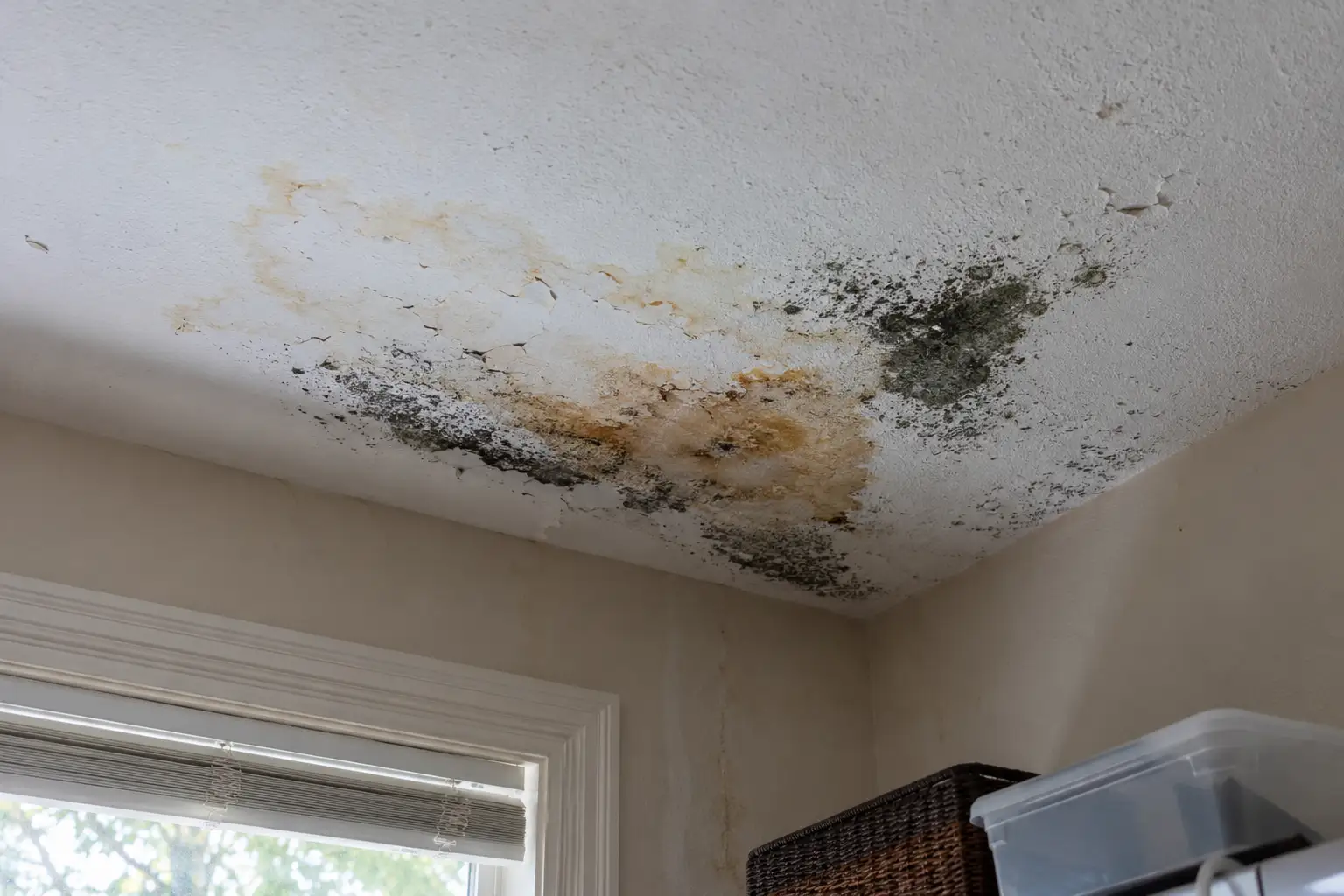
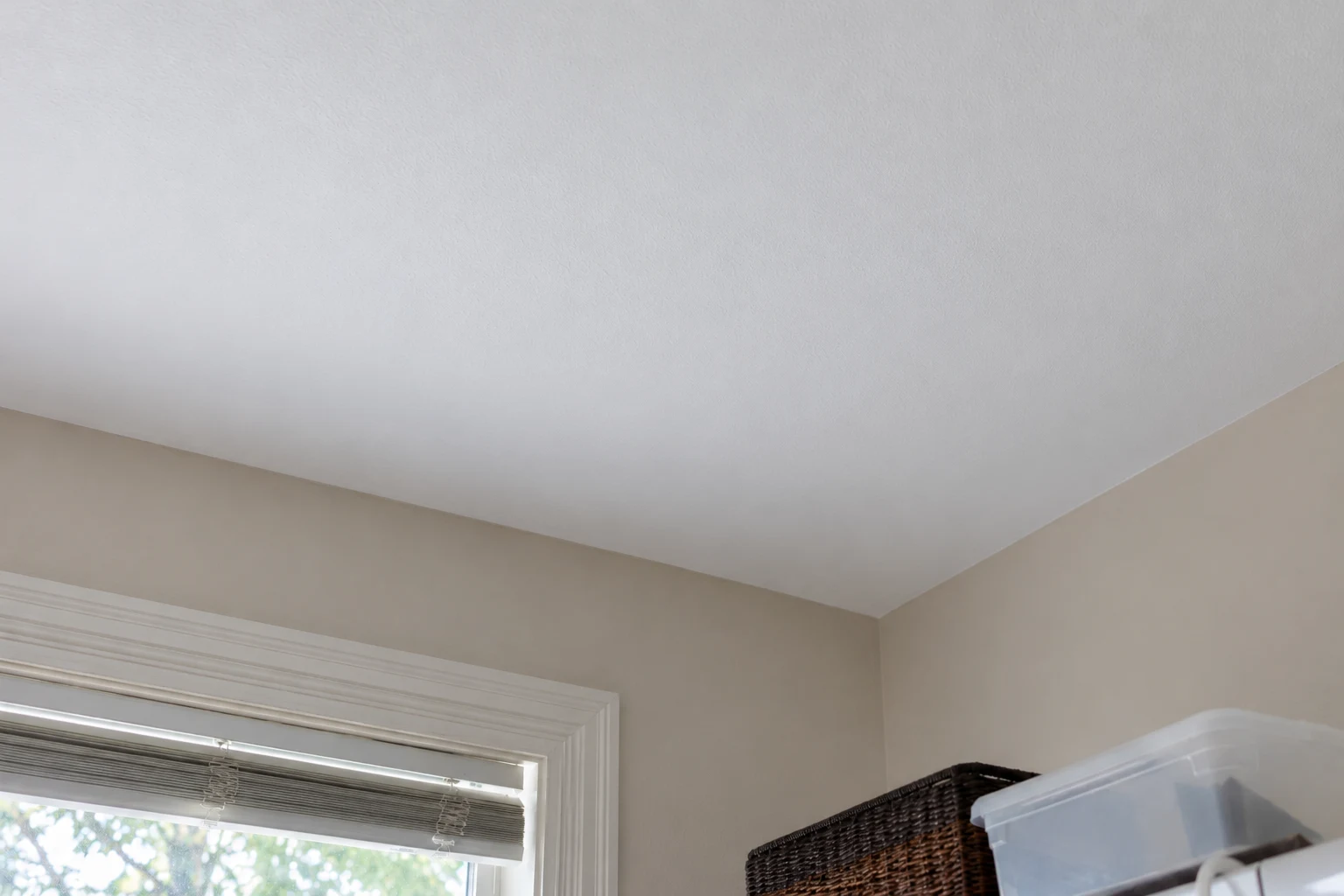
Attic Mold Remediation in South Tampa
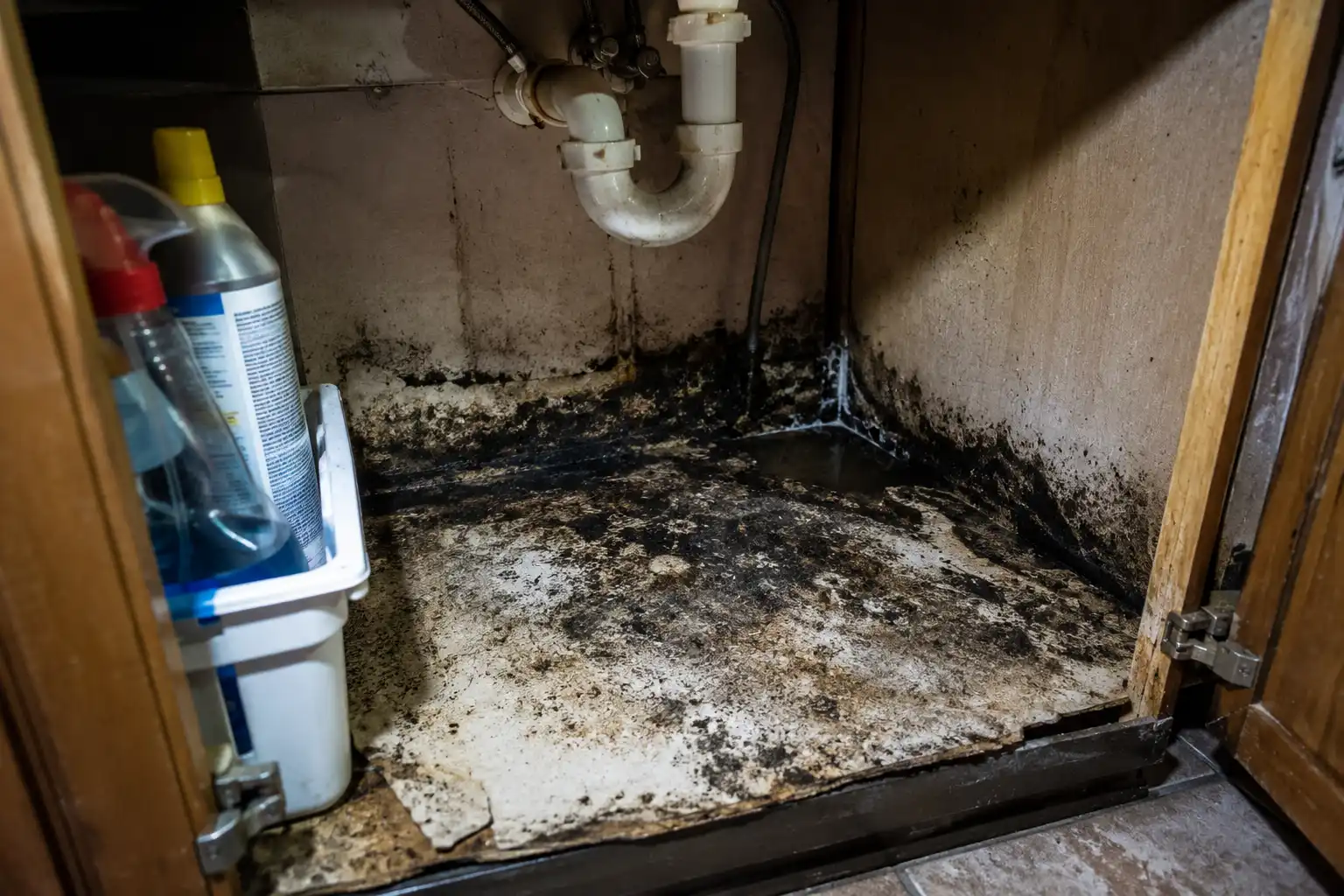
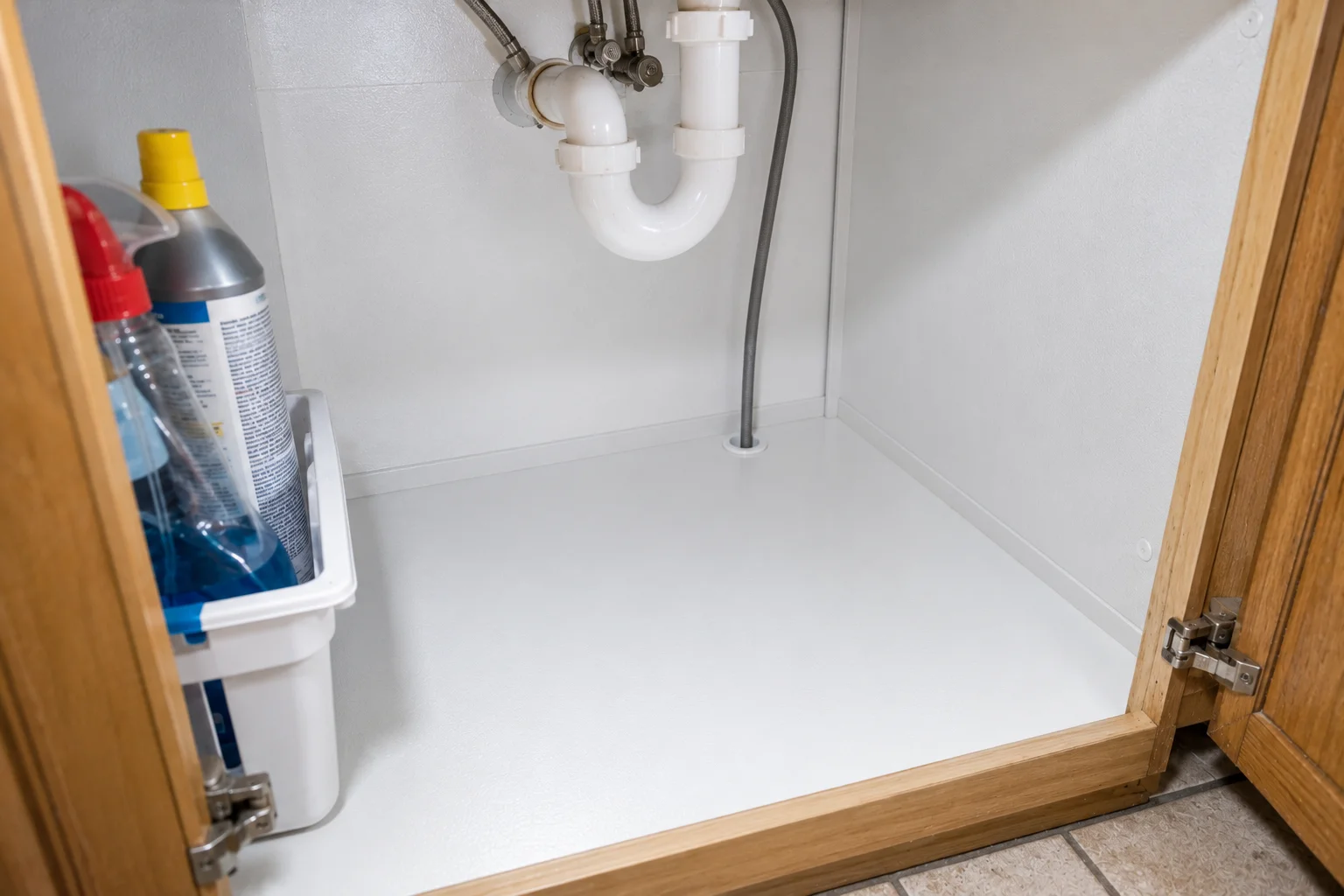
Crawl Space Moisture Mitigation in Davis Islands
Frequently Asked Questions
Our Other Tampa Mold Services
Your inspection is step one — here's what comes next. If we find mold, moisture, or air quality issues, our Tampa team handles everything after that, from contained removal to complete restoration.
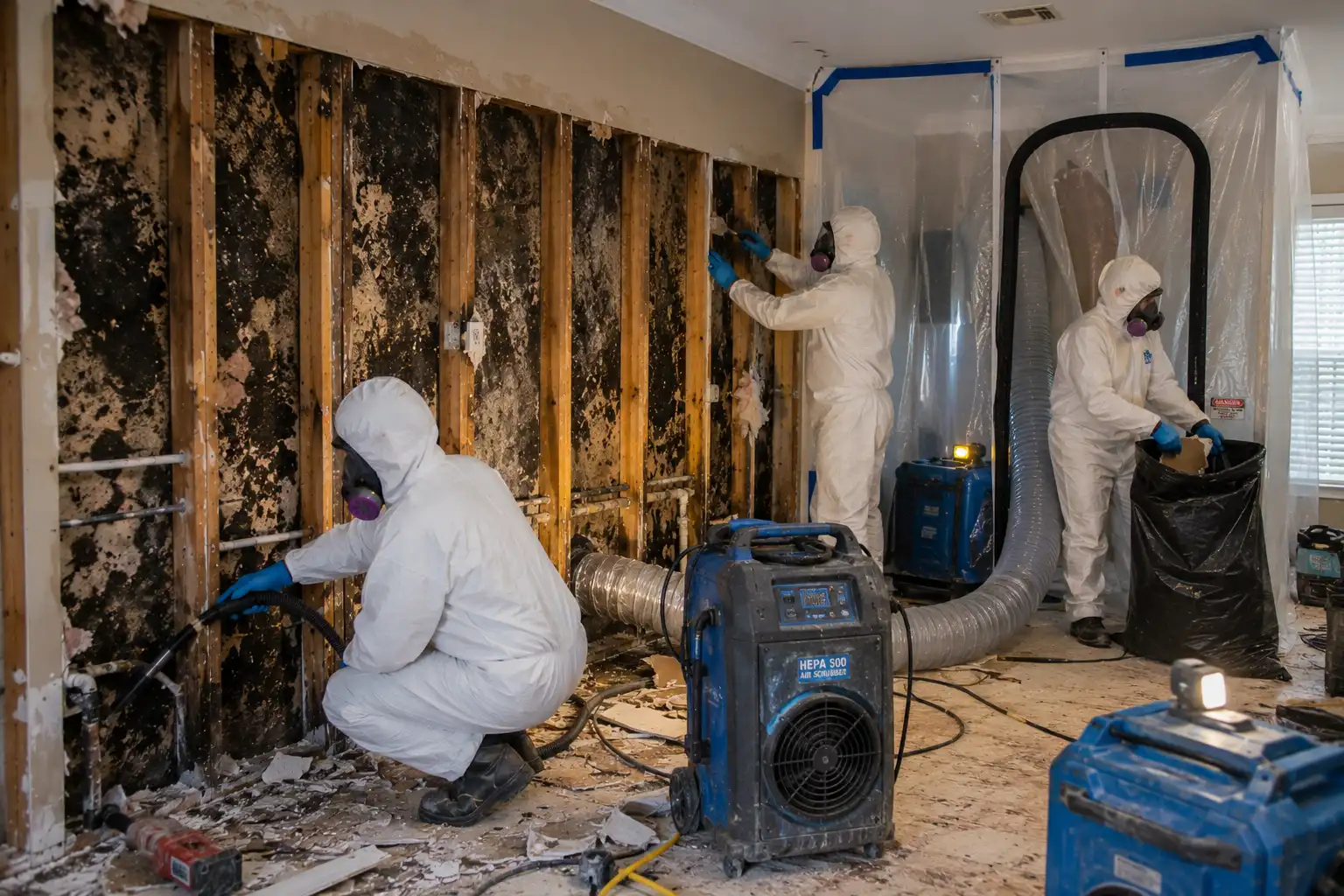
Black Mold Removal
If your inspection confirms Stachybotrys or another toxic mold, our contained removal process eliminates it with negative air pressure and safety protocols — protecting your indoor air and your family's health.
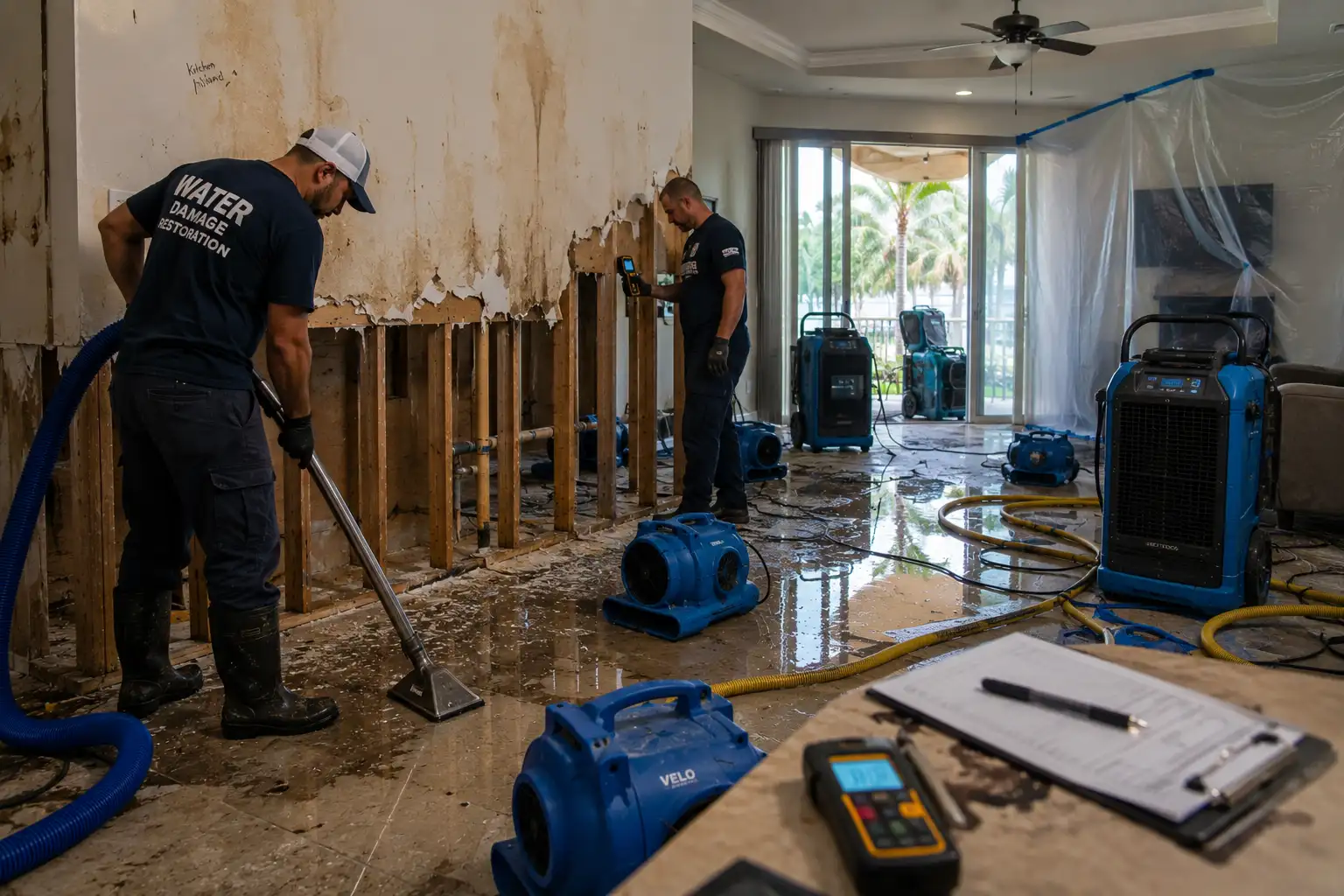
Water Damage Restoration & Cleanup
When inspection traces mold back to a leak, flood, or burst pipe, we extract the water, dry the structure with commercial dehumidifiers, and stop mold before it starts.
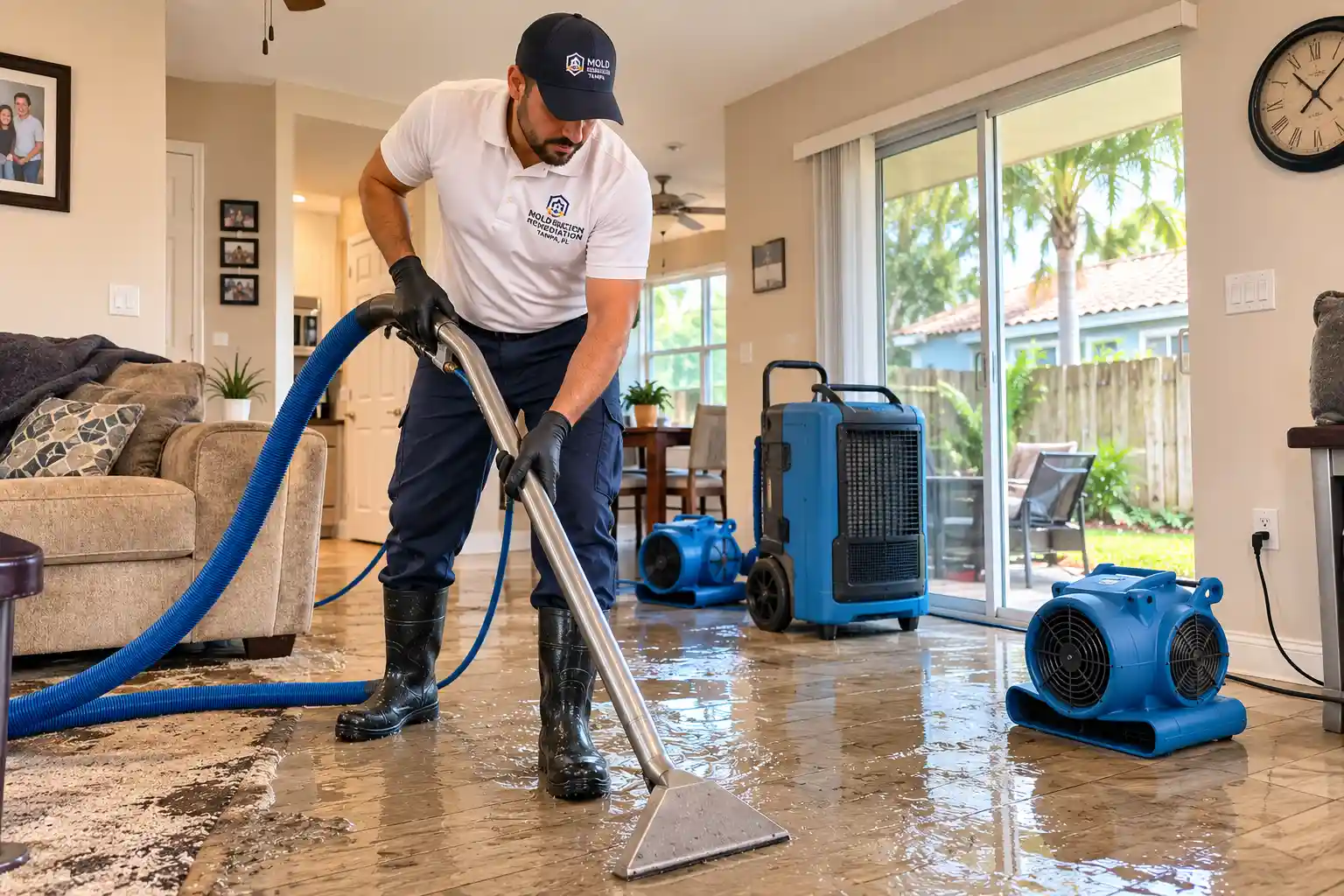
Water Extraction & Mitigation
Standing water found during your inspection? We remove it fast with truck-mounted extractors and structural drying to prevent long-term damage and microbial growth.
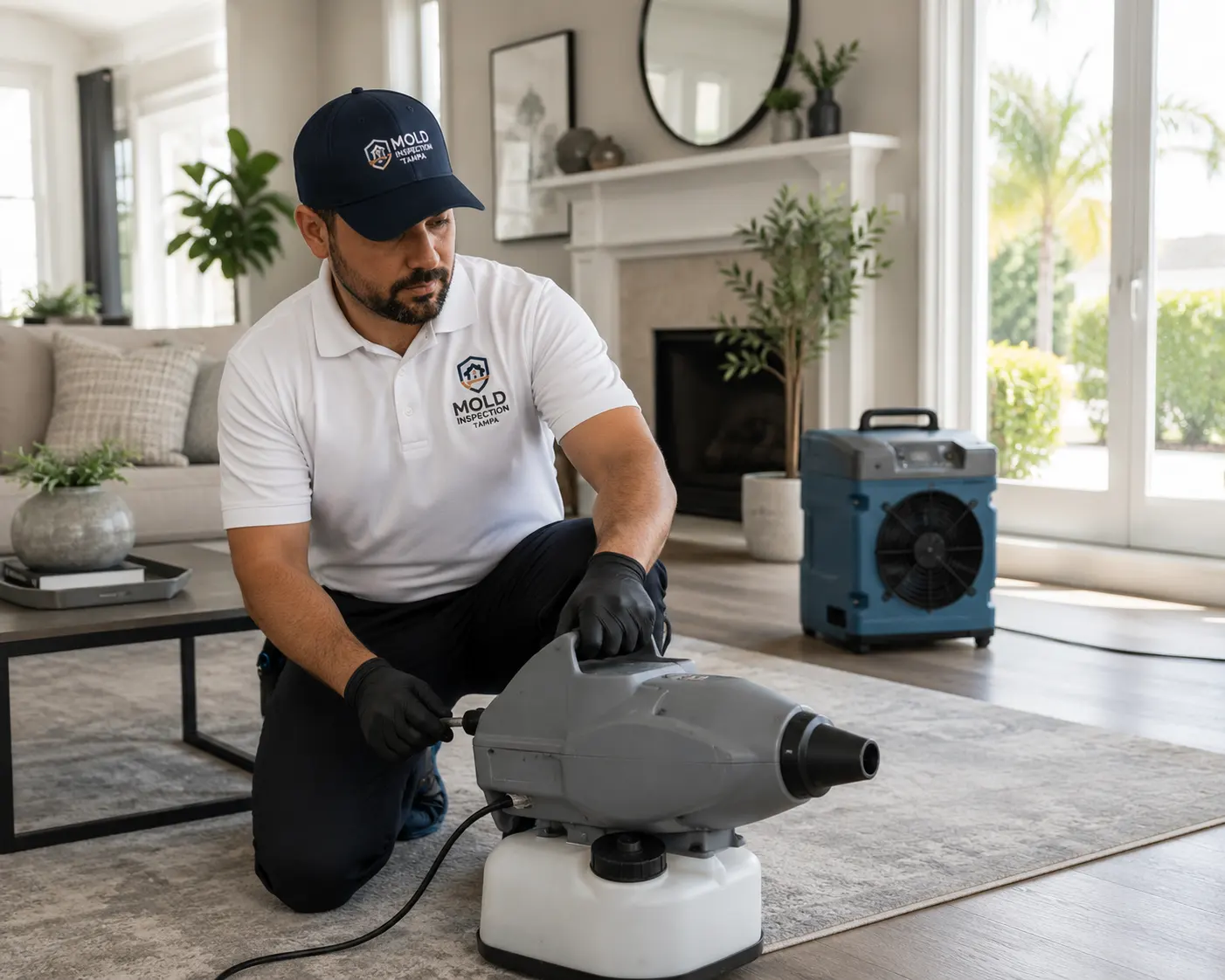
Odor Removal
If testing confirms mold is behind that musty smell, we eliminate odors at the source with deodorization and thermal fogging — not just masking them.
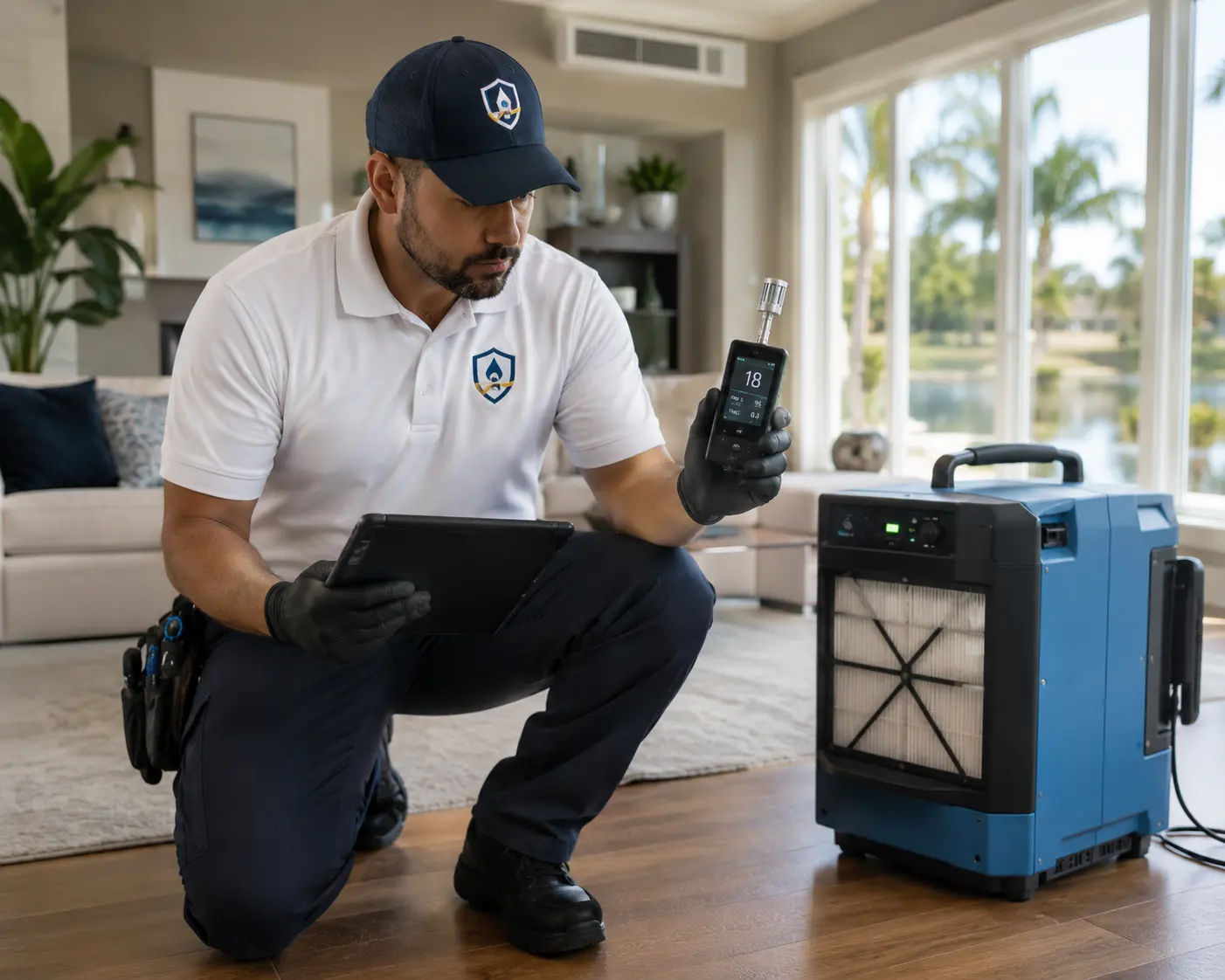
Air Quality & Purification
After inspection or remediation, our HEPA-filtered air scrubbers (500+ CFM) clear airborne spores and restore healthy indoor air.
We provide these services for both residential and commercial mold remediation across Tampa, from homes and condos to offices, retail spaces, and apartment complexes.