What Is Black Mold, Really?
“Black mold” usually refers to Stachybotrys chartarum, a mold species that can produce mycotoxins — compounds linked to health effects in some people, especially with prolonged exposure. But here's the part most pages skip: not every black-colored mold is Stachybotrys, and Stachybotrys isn't always black — it can appear dark green or gray depending on conditions. Color alone can't tell you what you're dealing with; only lab testing can confirm the species.
Here's the practical takeaway, straight from how the EPA actually recommends handling it: the containment and removal process is largely the same regardless of species. All mold growth should be treated as something to remove and the moisture source addressed — you don't need to win an argument about “is this the toxic kind” before taking action. If you're seeing dark, suspicious growth, treat it seriously and have it assessed.
Where Black Mold Commonly Grows in Tampa Homes
Stachybotrys and similar dark molds need two things to establish: a cellulose-rich food source (drywall, wood, paper-backed insulation, dust) and sustained high moisture — not just occasional dampness, but consistently wet conditions over time. That combination shows up in predictable places:
Bathrooms
Grout lines, behind tile, under vanities, and around poorly-ventilated shower areas
Behind Walls
Where a slow leak, roof intrusion, or AC condensation line has been feeding moisture unnoticed
Attics
Roof leaks and inadequate ventilation combined with Tampa's heat
Crawl Spaces & Subfloors
Tampa's high water table and ground moisture create ongoing dampness
Kitchens
Under sinks, behind refrigerators, and around dishwasher connections
HVAC Systems & Ductwork
Condensation and clogged drain lines create hidden, ongoing moisture that spreads spores through every room the system serves when it runs
One detail worth knowing: Stachybotrys is actually a slower-growing species than many common molds — it typically takes 7 to 14 days of sustained moisture to establish a visible colony, versus 24 to 48 hours for some faster-growing species. That's part of why it often shows up alongside other mold that arrived first, in places where moisture has been present a while, not from a one-time event.
Black Mold Removal by Location
Attic Black Mold Treatment
Roof leaks and poor ventilation make attics a top hiding spot; we treat the growth and trace the water entry.
HVAC & Duct-Related Mold
Condensation and clogged drain lines seed hidden mold that the system spreads room to room; we address the system and the source.
Crawl Space Mold Remediation
Tampa's high water table keeps crawl spaces damp; we remediate the growth and correct the ground-moisture conditions.
Signs You May Have Black Mold
Dark patches
Black, dark green, or gray growth on walls, ceilings, or grout, especially in bathrooms and kitchens
Musty odor
A musty, earthy odor that persists despite cleaning, particularly in poorly-ventilated rooms
Water stains
Water stains or discoloration — yellowish or brownish staining that suggests past or ongoing moisture
Compromised drywall
Warped, bubbling, or soft drywall — a sign moisture has been trapped behind the surface for a while
Past moisture events
Recent water damage — any leak, flood, or AC issue in the past several months, even if it looked minor at the time
Responsive symptoms
Symptoms that ease when you're away from the property and return when you're back — worth mentioning to your doctor, not something to self-diagnose
Don't try to clean it yourself. Disturbing a colony — scrubbing, spraying, even vacuuming — can release spores into the air and spread contamination to rooms that weren't affected before. If you suspect black mold, have it assessed by a professional before touching it.
Before You Book — Do This First
- Photograph the area without disturbing it — no scrubbing, no scraping
- Note the material (drywall, wood, tile, grout) and when it first appeared
- Note any leak, flood, or AC issue history, even months back
- Don't paint over it — that hides the evidence we need
- Keep children and pets away from the area
Health Considerations — What's Actually Established
We'd rather give you the accurate picture than the scariest one. Mold exposure affects people differently, and according to the CDC, no test currently proves a direct link between Stachybotrys chartarum specifically and particular health symptoms — the science here is genuinely more nuanced than a lot of marketing content suggests.
What is well-established: mold in a building should be removed regardless of species, because mold exposure in general is associated with respiratory irritation, allergic reactions, and worsened symptoms for people with asthma or existing sensitivities. People with compromised immune systems, young children, and older adults are generally considered more at risk from mold exposure of any kind.
If you or someone in your home has ongoing symptoms you think may be related to mold, that's a conversation for your doctor — we're not able to diagnose a health condition, and no legitimate mold removal company can. What we can do is confirm whether there's an active mold problem, remove it properly, and address the moisture causing it.
Why Fast Action Matters in Tampa
Tampa's climate works against you here. Average humidity sits around 74% year-round, and combined with frequent heavy rain and hurricane season, moisture events are common — burst pipes, roof leaks, AC condensation issues, and post-storm flooding all create the sustained dampness mold needs.
Because mold can begin developing within 24 to 48 hours of a moisture event, and because the colony keeps growing and spreading spores the longer it's left alone, waiting rarely makes the situation simpler. What starts as a manageable, contained area can spread into a larger one — behind more wall space, into insulation, along more ductwork — the longer the moisture source goes unaddressed.
Tampa's historic districts — Ybor City, Hyde Park, Seminole Heights — pair aging plumbing and older masonry construction with the kind of slow, hidden leaks that feed black mold the longest.
Our Black Mold Removal Process in Tampa
Every black mold job follows the same five steps — safe, contained, and verified before we call it done. Our black mold removal services in Tampa follow this order on every job, from a single wall to whole-home black mold removal.
Assessment & Moisture Source Identification
We find the full extent of growth and, critically, the moisture feeding it — because removal without moisture correction guarantees it returns.
Containment & Negative-Air Control
Sealed poly-sheeting barriers isolate the work area under negative-air pressure, so spores can't migrate to clean rooms during removal.
Safe Removal & HEPA Air Control
Contaminated porous materials are safely removed and disposed of while HEPA-filtered air scrubbers — capturing particles down to 0.3 microns — run continuously to keep the air clean.
Drying & Moisture Correction
We dry the area completely and fix the actual cause — the leak, the vent, the drainage — not just the visible symptom.
Verification & Clearance Testing
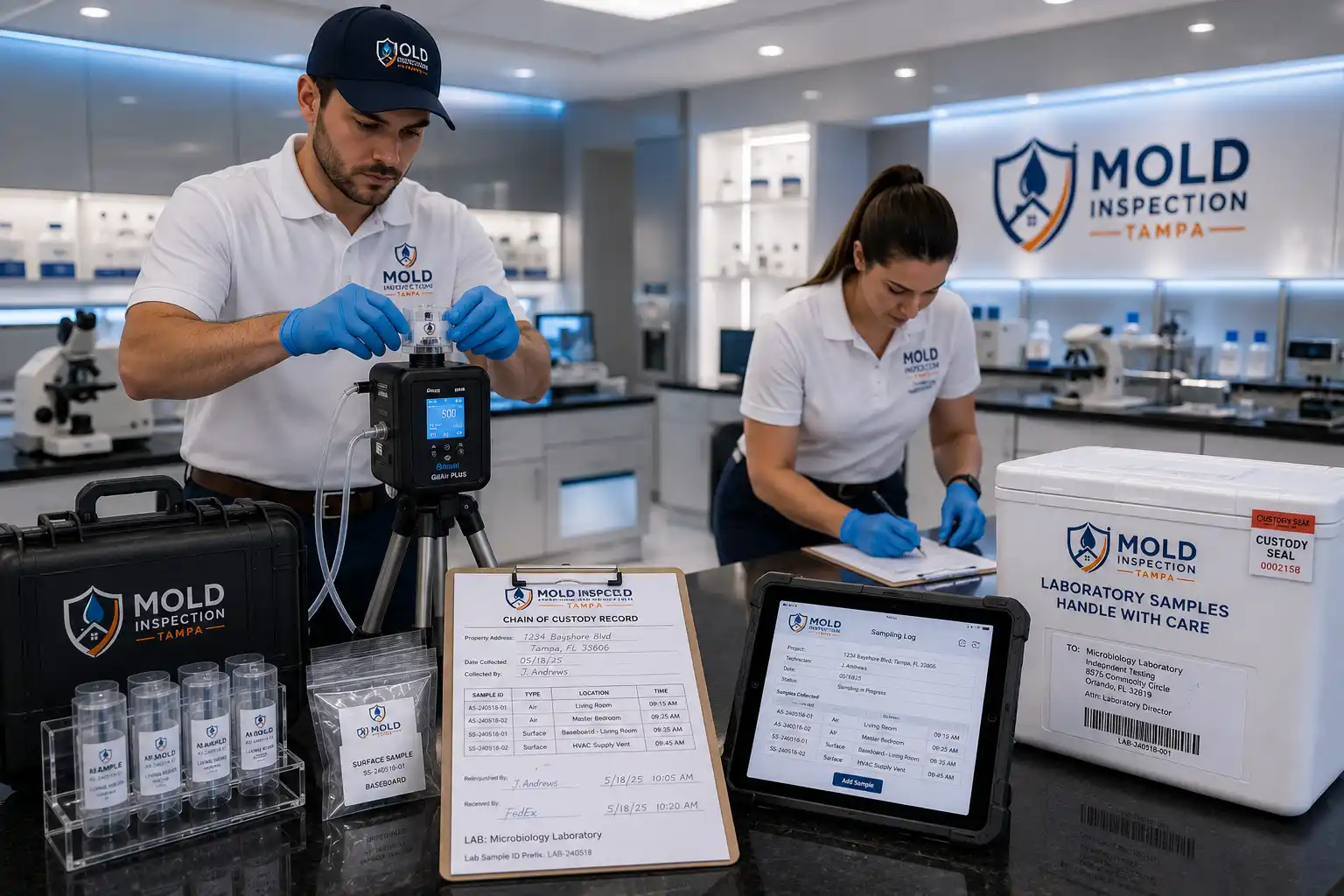
We confirm the area is clear before calling the job done — including lab-verified clearance testing that confirms spore levels are back to normal.
What Affects Black Mold Removal Costs
Every property is different, so honest, affordable pricing depends on a few factors:
Size of affected area
More contamination means more containment, labor, and disposal
Location & accessibility
Attics, crawl spaces, and wall cavities are harder to reach
Extent of spread
Porous materials like drywall and insulation often need full removal
Moisture source repair
Fixing the leak, vent, or drainage adds to scope
You get clear, upfront pricing before any work begins — no hidden fees, and an honest assessment of what your situation actually needs.
Residential & Commercial Black Mold Removal
Black mold doesn't care what kind of building it's in — but the right approach depends on it. Whether it's your home or your business, here's how black mold Tampa jobs are handled, step by step.
Residential Black Mold Removal in Tampa
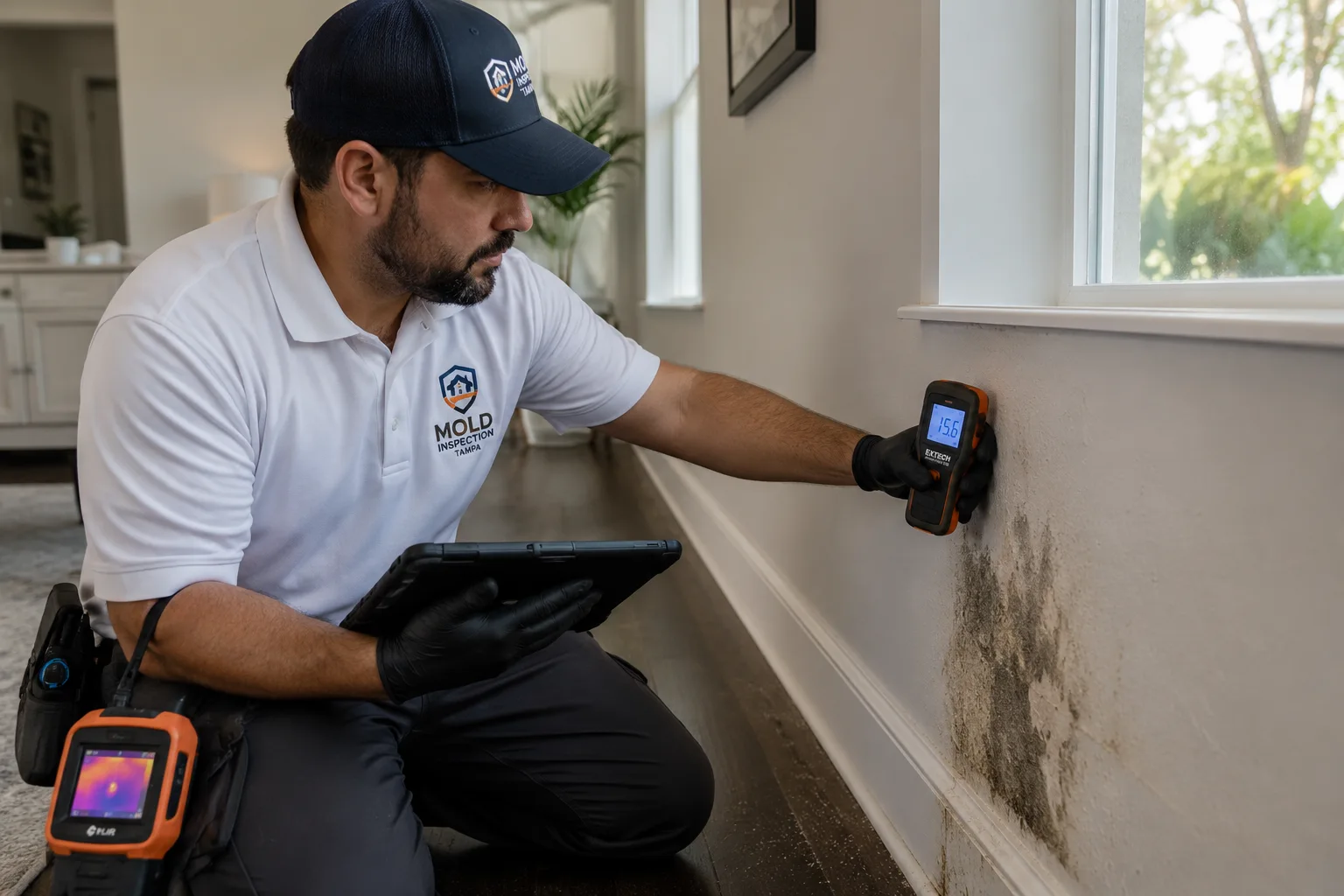
For black mold removal near you in Tampa, we handle homes, condos, and rental properties — from a single bathroom wall to attic and crawl space growth. Most residential jobs trace back to everyday Tampa moisture sources: AC condensation lines, plumbing leaks, and roof intrusions after storms.
- Contained work areas, so the rest of your home stays livable during the job
- Full moisture-source diagnosis — not just surface treatment
- Clear next steps for homeowners, renters, and landlords alike
Commercial Black Mold Removal in Tampa
Offices, retail spaces, and multi-unit buildings. Commercial properties often need faster turnaround to limit disruption, and larger buildings may involve more extensive HVAC-related contamination that needs a broader assessment.
- Work planned around your operation to limit disruption to staff, tenants, and customers
- HVAC-system assessment included wherever contamination may have spread
- Documentation property managers and insurers expect, from day one
Not sure which applies to your situation? (813) 845-8355 — we'll point you in the right direction.
Preventing Black Mold From Returning
The single biggest reason black mold comes back after removal is that the moisture source was never fixed — removing the mold without correcting what caused it just resets the clock. A few practical habits help:
Fix leaks promptly
Plumbing, roof, or AC condensation issues, even small ones
Keep ventilation running
Keep bathroom and kitchen ventilation running during and after showers or cooking
Check AC lines
Check AC condensate lines periodically — clogs are a common, easy-to-miss moisture source in Tampa homes
Watch humidity levels
Keeping indoor humidity in the 30-50% range makes it much harder for mold to establish
Address water damage immediately
Address water damage immediately, even if it seems minor — Tampa's climate doesn't give damp materials much time before mold becomes a real possibility
Insurance & Black Mold
Many Florida homeowner's insurance policies cover mold remediation when it results from a sudden, covered event — a burst pipe or storm-related roof leak, for example. Mold from long-term neglect or unaddressed maintenance issues is typically excluded. Because the cause matters so much for coverage, thorough documentation from the start makes a real difference in how smoothly a claim goes.
What to Ask Before Authorizing Work
Not every black mold clean up company works the same way. Before you authorize any black mold job — with us or anyone — ask these questions:
What's included in the scope?
The plan should name the areas, the materials, and what gets removed versus treated.
How will you contain the work area?
Proper containment under negative-air pressure keeps spores out of clean rooms.
How do you address the moisture source?
Removal without moisture correction means the mold comes back.
Is clearance testing included?
Independent lab verification proves the job is done; it shouldn't be an afterthought.
Who will actually do the work?
Ask what training and certifications the crew holds. You can verify any provider's license at MyFloridaLicense.com.
What warranty backs the work?
We stand behind ours with a 7-year workmanship warranty.
Serving Tampa & Surrounding Neighborhoods
Black mold removal Tampa, FL coverage reaches every neighborhood we serve, including South Tampa, Davis Islands, Ybor City, Hyde Park, and Seminole Heights — plus Downtown, Channel District, Westshore, New Tampa, Lutz, Wesley Chapel, Land O' Lakes, and nearby areas. Older neighborhoods with aging plumbing tend to see black mold paired with the kind of slow, hidden leaks that go unnoticed longest. Every job is backed by Mold Remediation Tampa FL, connecting Tampa homeowners with certified local specialists.
CERTIFIED & RECOGNIZED BY



Recent Work — Before & After
Drag the slider on any of the projects below to view structural transformations achieved by our Tampa remediation crews.
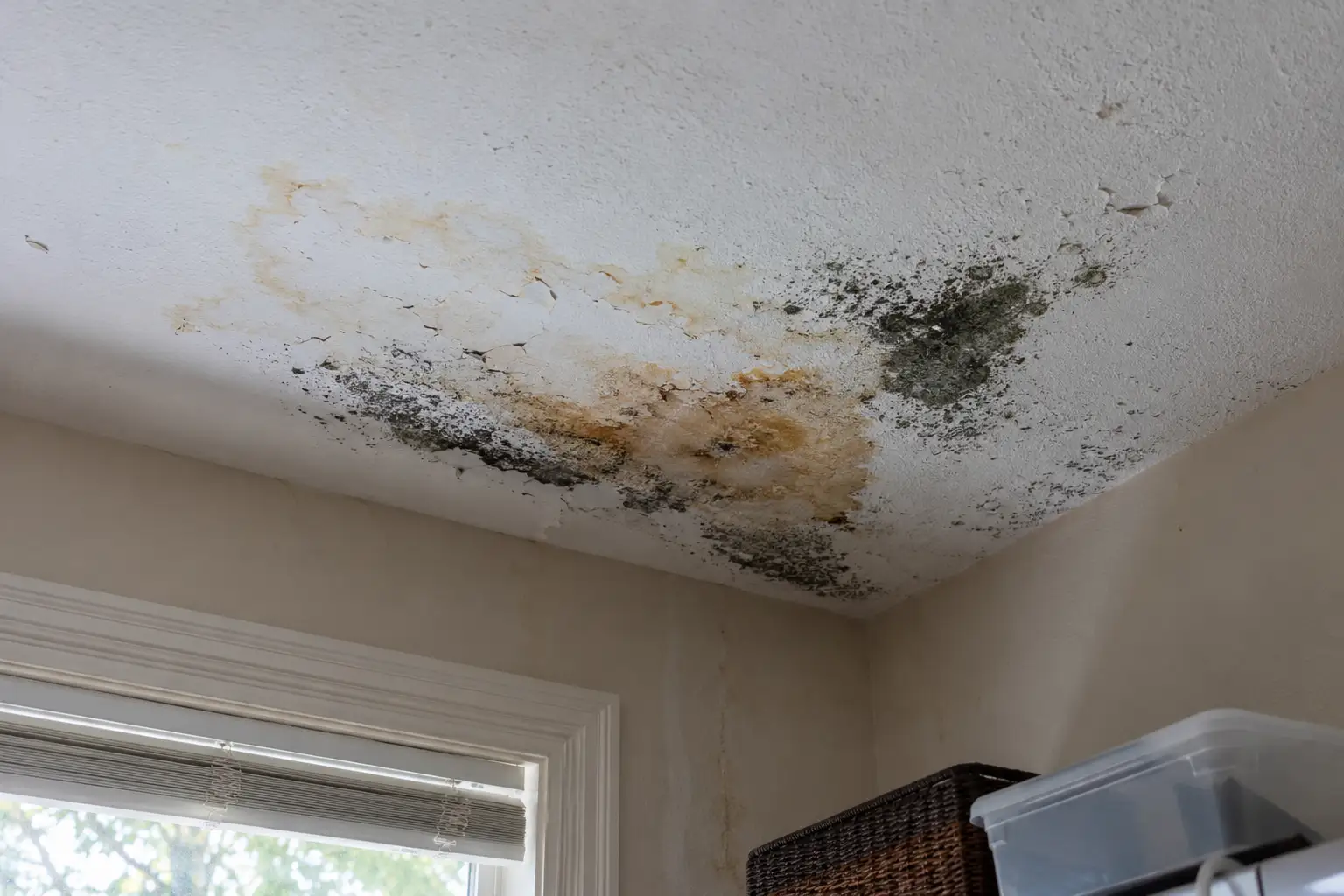
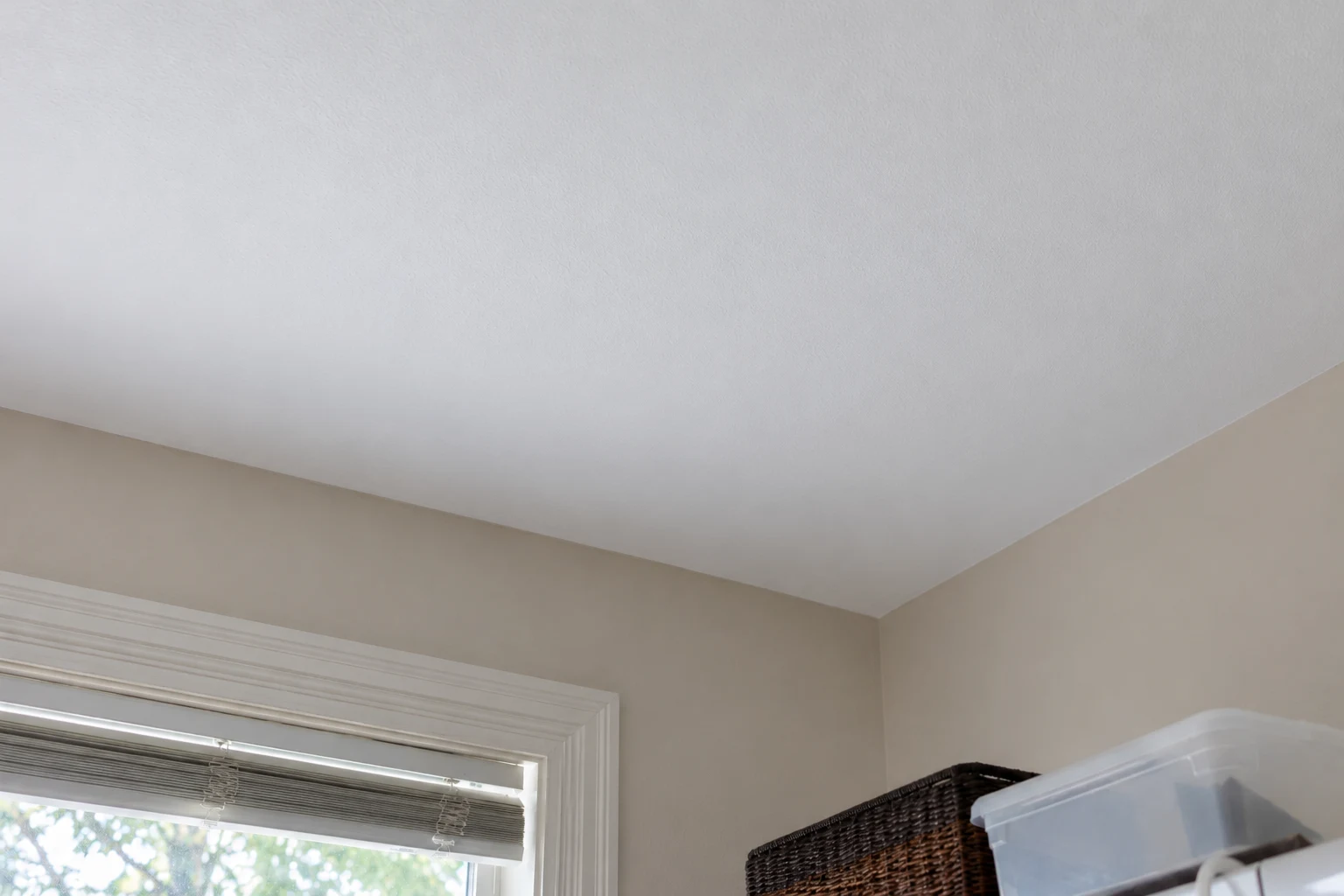
Attic Mold Remediation in South Tampa
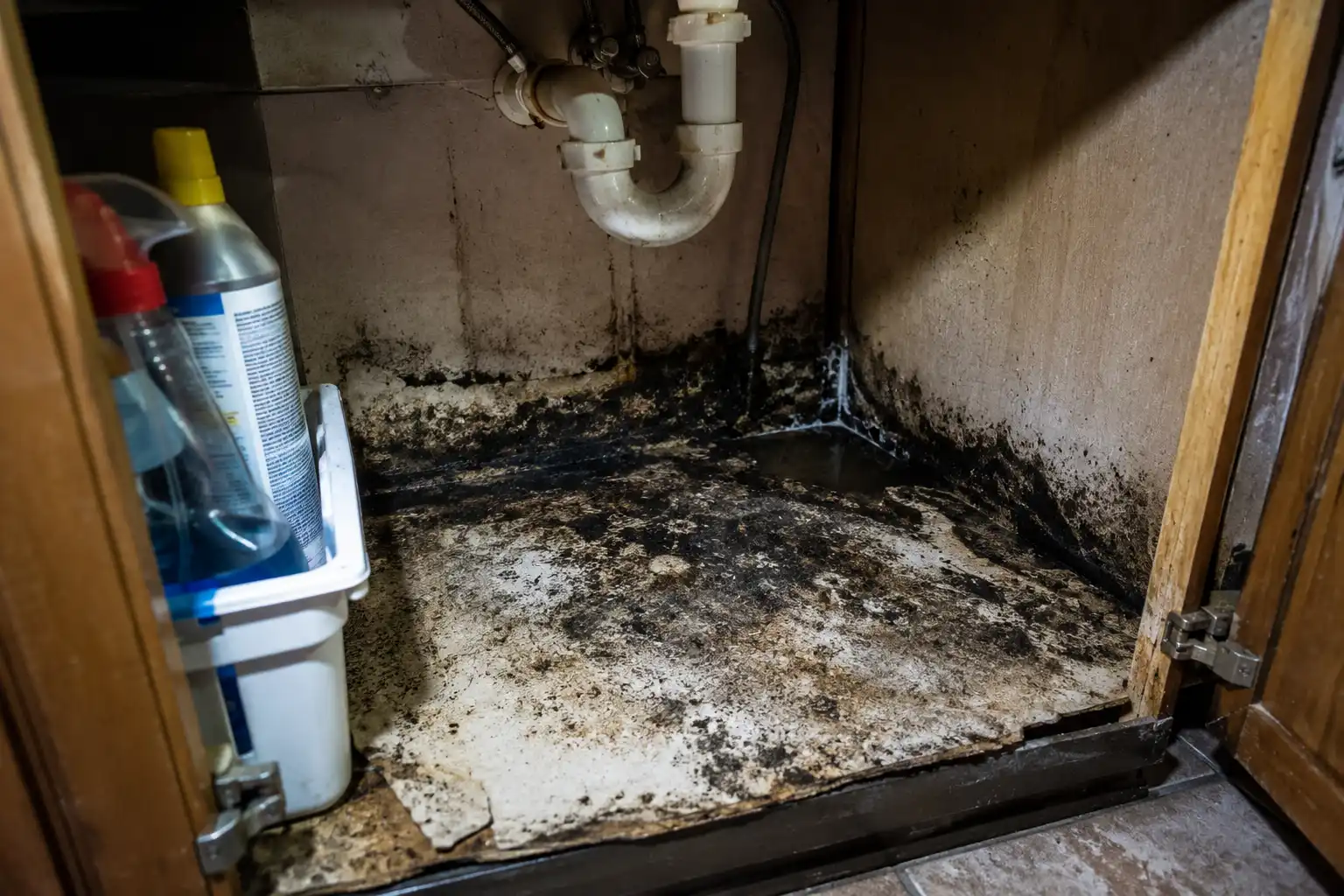
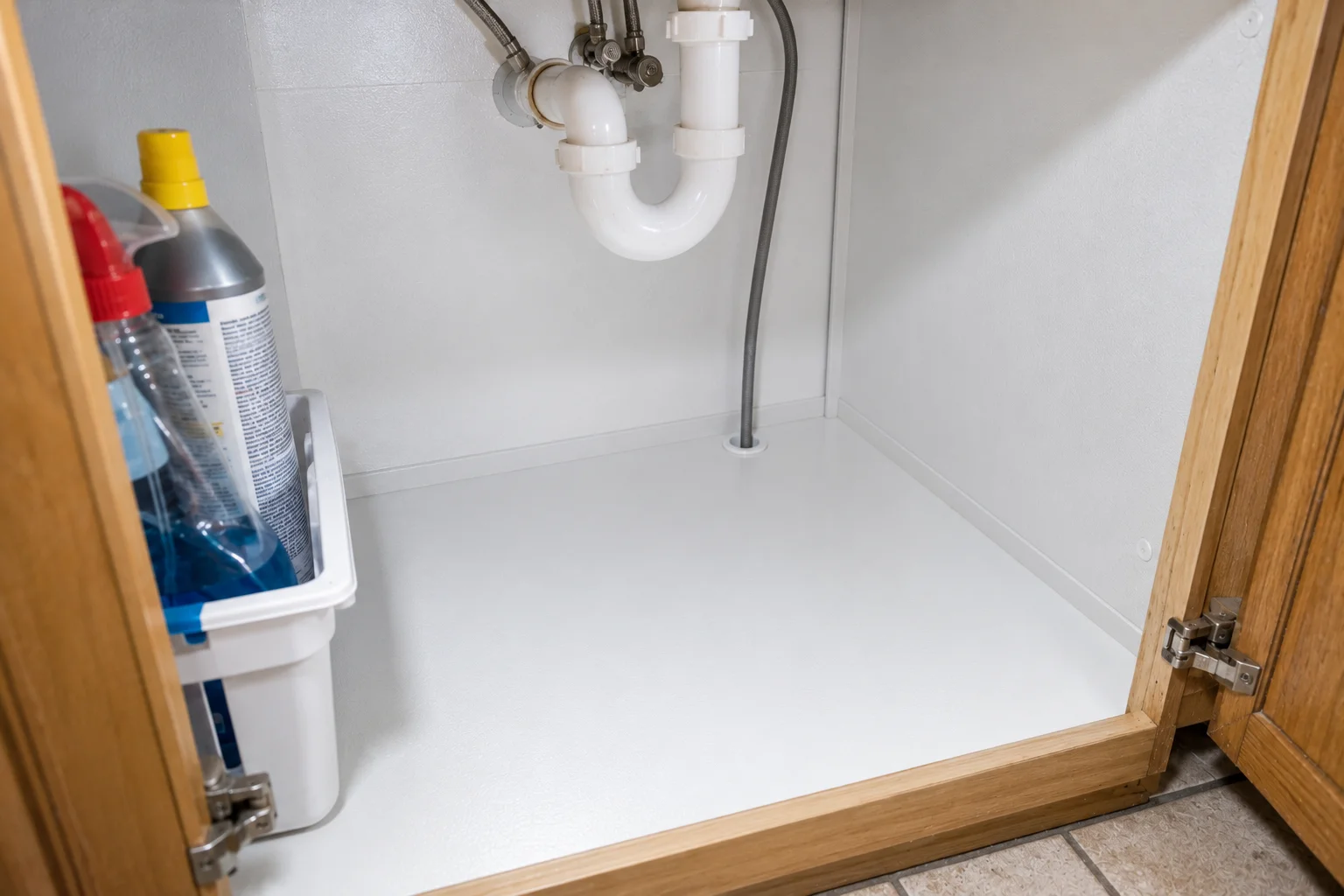
Crawl Space Moisture Mitigation in Davis Islands
Frequently Asked Questions
Our Other Tampa Mold Services
Black mold handled — here's what else our black mold remediation services in Tampa take care of, from detection to dry, healthy air.
Mold Inspection & Testing
Not sure how far it spread? Our detailed inspection with certified lab testing maps the full extent before removal begins.
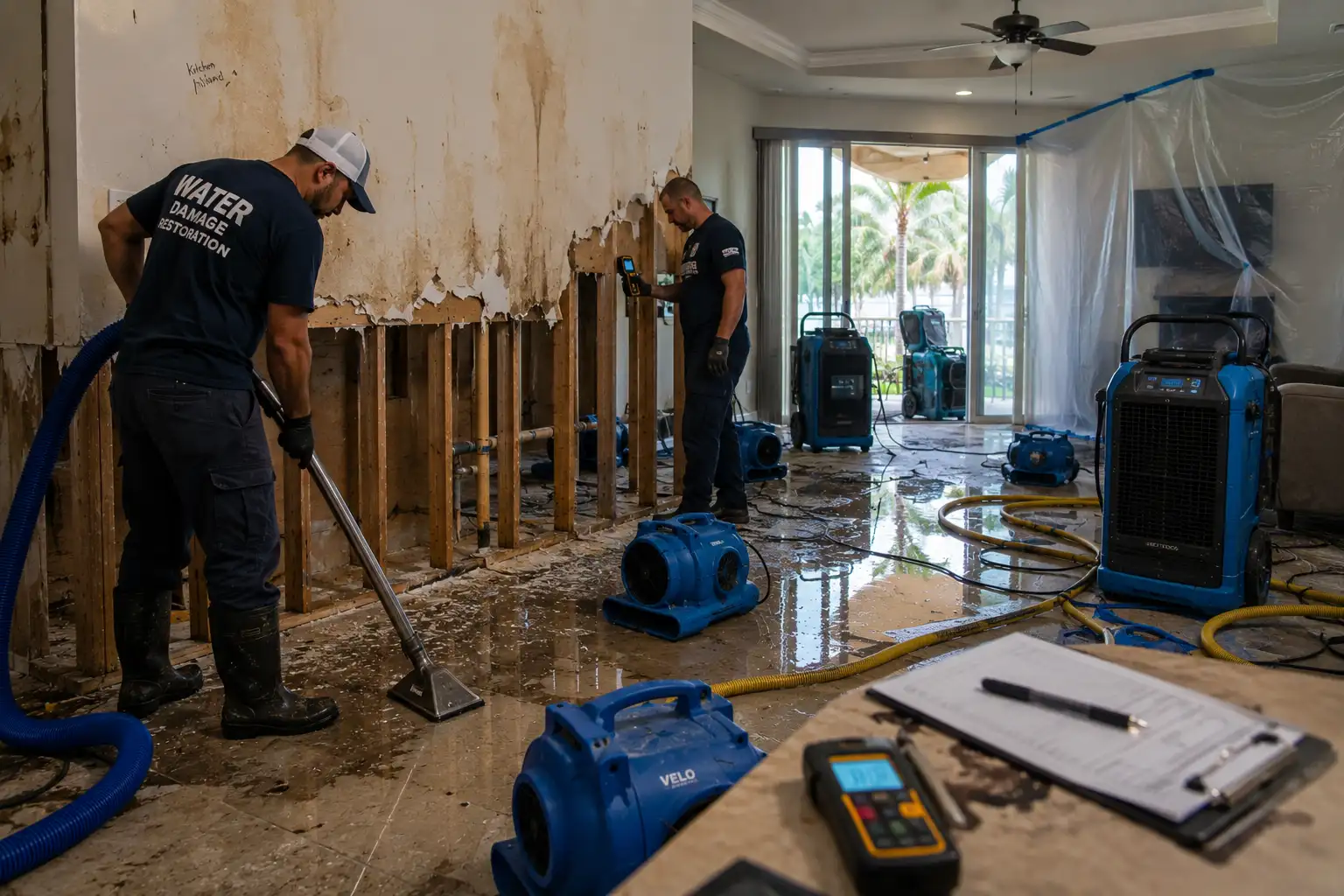
Water Damage Restoration & Cleanup
Black mold starts with water. We extract, dry, and restore after leaks, floods, and burst pipes.
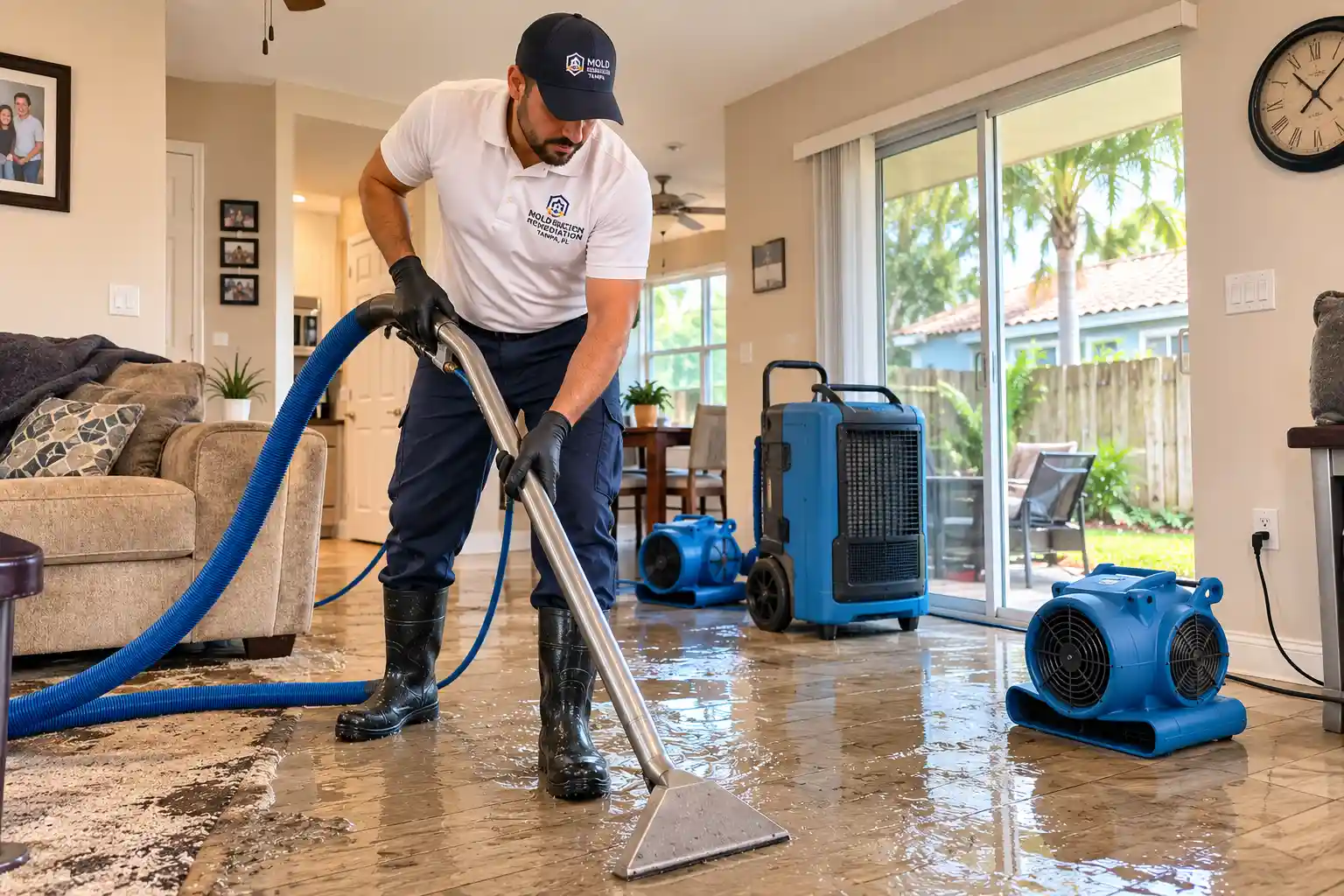
Water Extraction & Mitigation
Standing water feeding the mold? Truck-mounted extraction and structural drying stop it at the source.
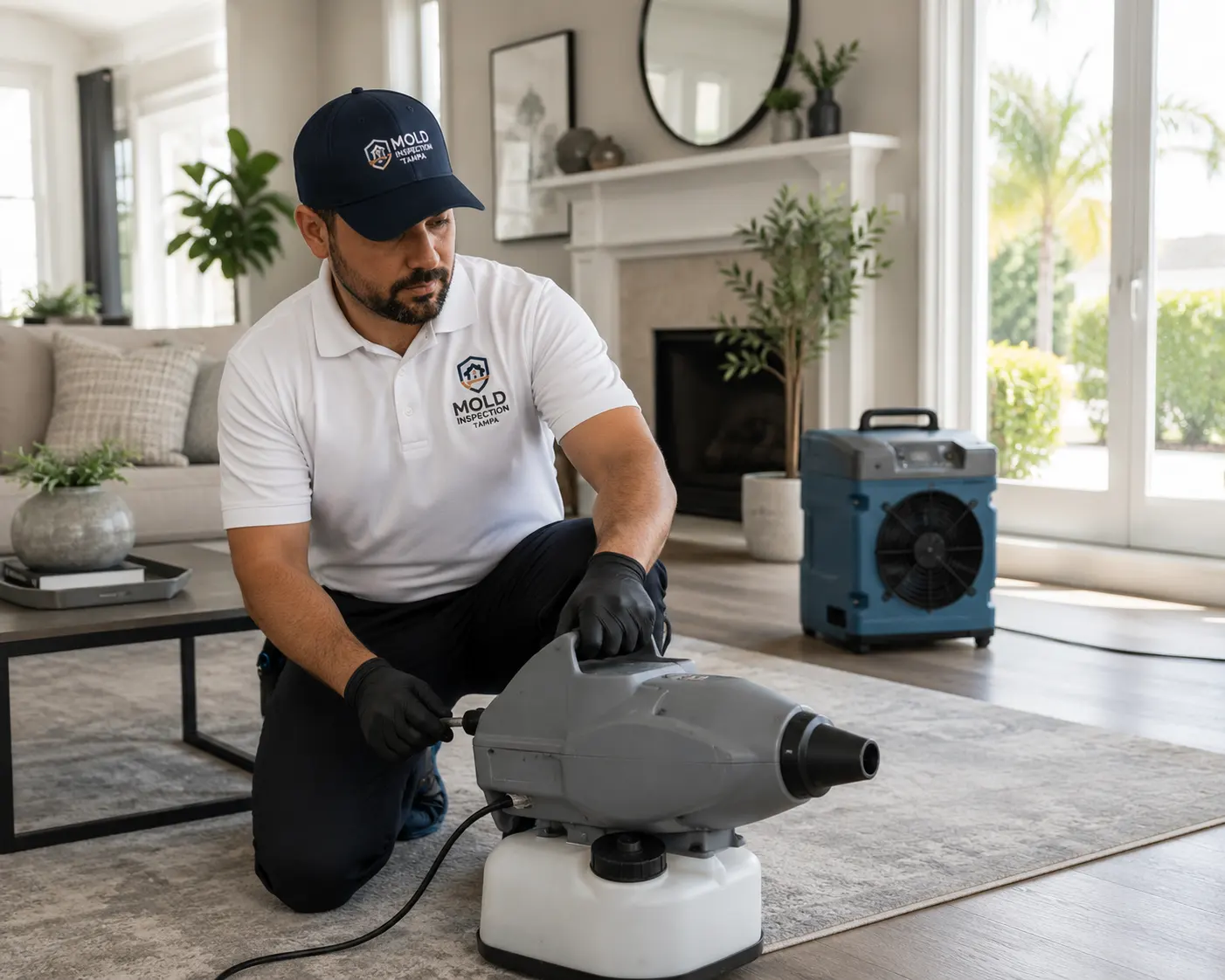
Odor Removal
Musty smell lingering after removal? We eliminate mold odors at the source — not just mask them.
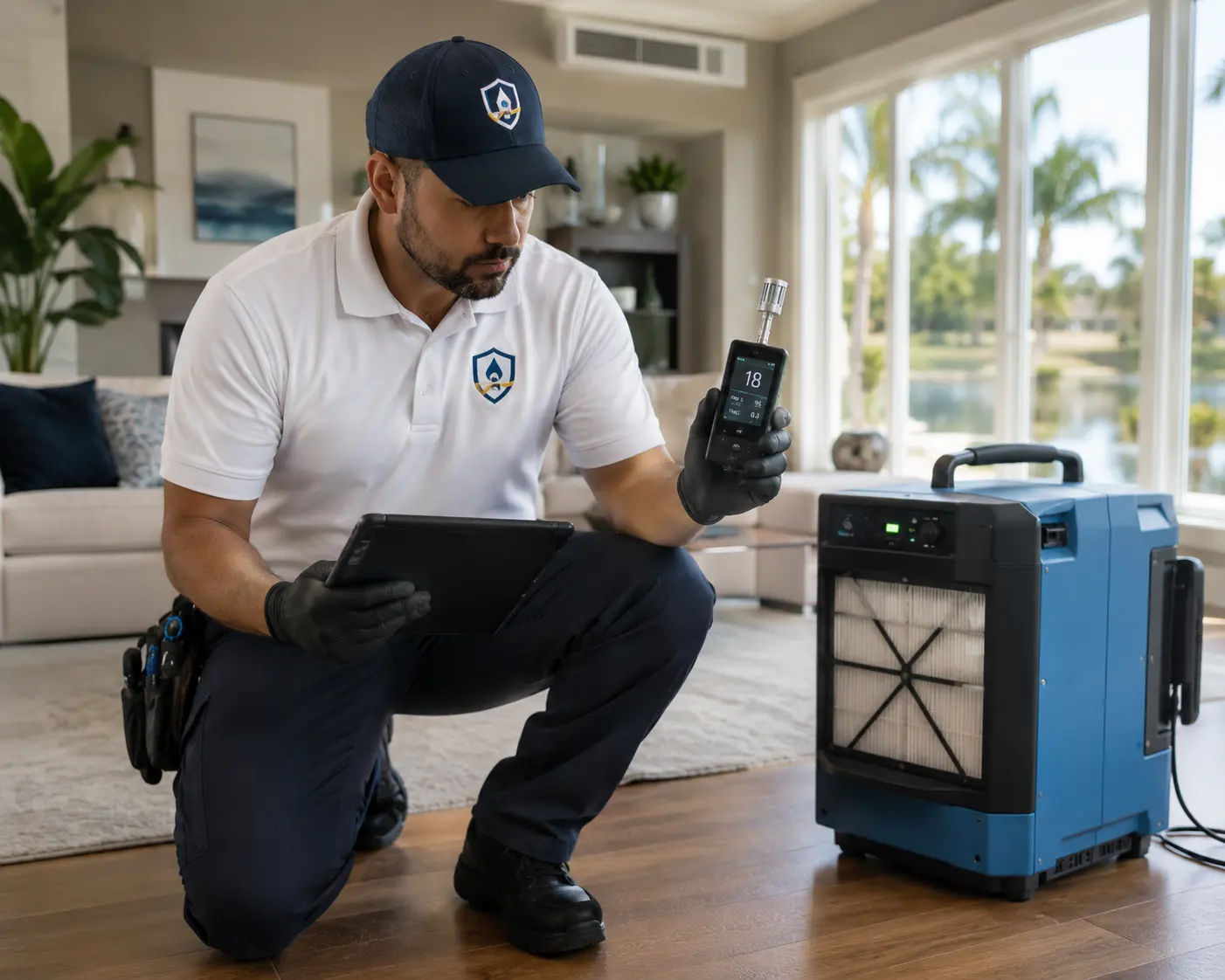
Air Quality & Purification
After remediation, HEPA air scrubbers clear airborne spores and restore healthy indoor air.