Hyde Park Isn't Just “An Old Tampa Neighborhood” — Here's What Actually Sets It Apart
Plenty of companies will tell you Hyde Park has “historic charm” and leave it there. That doesn't tell you anything useful about your actual mold risk. What matters is the specifics: when these homes were built, what they're built from, how the neighborhood's official protections affect repair work, and what nearly 140 years of continuous residential use has done to the moisture conditions inside these structures.
Hyde Park traces back to 1886, when O.H. Platt — a transplant from Hyde Park, Illinois — bought acreage from the old Robert Jackson farm on the west side of the Hillsborough River and subdivided it, naming the new neighborhood after his hometown. Two years later, railroad magnate Henry B. Plant built the bridge that's now Kennedy Boulevard, opening the area to development, and his Tampa Bay Hotel (opened 1891) helped make the west bank of the river Tampa's most desirable address almost overnight. That makes Hyde Park one of Tampa's earliest planned residential neighborhoods west of the Hillsborough River — not “historic” in a vague sense, but a documented origin point that predates nearly every other neighborhood we serve.
The Official Historic Designation Changes How Repairs Actually Work Here
Hyde Park isn't informally old — it's formally protected, twice over. The Hyde Park Historic Districts were added to the National Register of Historic Places on March 4, 1985, covering roughly 560 acres bounded by the Hillsborough River and Bay, Kennedy Boulevard, and Howard Avenue, with 1,264 contributing buildings recorded in the nomination.
Here's the distinction that actually matters for your repair: the National Register listing itself is honorary — it places no restrictions on private owners. What governs exterior work in Hyde Park is the City of Tampa's local Hyde Park Historic District (established 1988), enforced by the city's Architectural Review Commission (ARC). Exterior repairs, additions, and material changes in the local district go through ARC review under the Hyde Park Design Guidelines, and the commission actively enforces them — recent dockets include new construction and flood-adaptation elevations on Bayshore Boulevard reviewed for guideline compliance.
For mold remediation, this matters in a very practical way: removing and replacing materials on a historic Hyde Park property — original siding, windows, trim, or roofing — isn't always as simple as ripping it out and putting in whatever's fastest. A remediation approach that doesn't account for ARC review can create real friction with the district's requirements, on top of whatever the actual mold problem was. We plan historic-district work with that review in mind from the first visit.
What's Actually Built Into Hyde Park's Homes
Hyde Park's architecture spans roughly 1886 through 1933 (the district's period of significance), and it's more varied than a single “old Florida home” label suggests. The earliest homes reflect Queen Anne and Colonial Revival styles from the neighborhood's founding decades — wraparound porches, wood siding, steep rooflines. As the neighborhood boomed through the 1900s–1920s, Georgian and Mediterranean-style estates filled in alongside them, particularly closer to Bayshore Boulevard, along with Craftsman bungalows and American Foursquares.
That mix matters for moisture because it's not one construction type — it's several, layered across more than a century of building. The predominant construction is wood-frame — original wood siding on the earliest homes, stucco over frame on the 1920s Mediterranean Revival houses — often over crawlspaces. ARC cases in the district confirm that original fabric (wood siding, historic windows, beadboard soffits, exposed rafters, wraparound porches) is still present and actively protected; substitute materials are routinely rejected.
Wraparound porches, a defining feature of the neighborhood's oldest homes, create their own moisture patterns where roofline, porch roof, and main structure intersect — a common spot for slow leaks that go unnoticed for years. And heavy live oak canopy throughout the neighborhood — one of the things that makes Hyde Park's brick-paved streets so appealing to walk — also means less direct sun reaching roofs and siding, and slower drying after Tampa's frequent summer storms.
Water Has a History Here Too — Helene, Milton, and Groundwater
Hyde Park's age gets the attention, but water exposure is the other half of the neighborhood's mold story — and 2024 wrote a dramatic chapter. Mold damage Hyde Park homes suffered after Helene and Milton often stayed hidden behind walls for months, which is why a post-storm inspection matters even when everything looks dry.
When Hurricane Helene struck on September 26, 2024, Tampa recorded a 7.18-foot storm surge, and Bayshore Boulevard — Hyde Park's eastern edge — was, in news coverage's words, “transformed into a river,” with residents photographed wading across the flooded roadway. Two weeks later, Hurricane Milton brought a different problem: roughly 12 inches of rain over Tampa and a flash flood emergency. Post-storm records in the district show first-floor flood repairs and at least one Hyde Park home approved for elevation as flood adaptation.
The bay frontage that makes Bayshore properties desirable also places them in FEMA Zone AE — the documented high-risk flood zone for the area's 33606 waterfront.
And there's a quieter, chronic issue the city has already spent real money on: the Hyde Park Groundwater Diversion Project ($3.1 million, completed August 2024) was built specifically to relieve “chronic ponding issues on sidewalks and streets associated with groundwater seepage,” installing underdrains that carry seepage to the Bayshore storm sewer along streets including Delaware, Newport, Willow, Oregon, Watrous, Dakota, and Orleans. When groundwater sits near the surface in a neighborhood of century-old crawlspace homes, moisture doesn't need a hurricane — it seeps.
Hyde Park Village and the Commercial Side of the Neighborhood
Hyde Park isn't purely residential — Hyde Park Village has functioned as the neighborhood's commercial hub since its earliest days, and it's gone through real, recent change. WS Development bought the property in 2013 for $45 million and completed a 2015–2018 revitalization: brick facades restored, streets and sidewalks on Swann, Dakota, and Snow raised and replaced, and the district repositioned as a six-block, ~50-tenant shopping and dining destination.
For the boutiques, restaurants, and offices operating out of Hyde Park Village and along South Howard Avenue — “SoHo,” Hyde Park's dining and nightlife corridor, modeled on its Manhattan namesake — moisture issues carry the same business-continuity stakes as they do for any commercial tenant, layered on top of whatever building-age factors apply to the specific structure.
Where We Typically Find Mold in Hyde Park Properties
Based on the neighborhood's construction era, architecture, tree coverage, and water history, here is where mold removal Hyde Park jobs most often start:
Warning Signs of Mold in a Hyde Park Home
Mold damage Hyde Park homeowners usually notice first is subtle: a smell, a stain, or a soft spot. Check for these signs:
If you notice one or more of these, call (813) 845-8355 — early inspection keeps a small moisture problem from becoming a historic-district repair project.
Florida Law Protects You (F.S. §468.8419)
We're upfront about this: we offer both mold inspection and mold remediation. Florida law takes the conflict-of-interest question seriously — under Statute §468.8419, a licensed mold assessor generally cannot perform remediation on the same property they formally assessed within the previous 12 months. That's why we keep the roles clear: our inspections identify visible mold and moisture sources, formal testing goes to an independent certified laboratory, and post-remediation clearance is verified by independent lab testing — so the scope of work is based on what your Hyde Park property actually needs, not on what sells a bigger job. We operate within Florida's licensing framework (DBPR) and follow the IICRC S520 Standard for Professional Mold Remediation on every Hyde Park job. You can verify any provider's license at MyFloridaLicense.com.
Serving All of Hyde Park
We work throughout the historic district — from the oldest sections near the Hillsborough River to the homes and businesses along Bayshore Boulevard, Swann Avenue, and South Howard Avenue (SoHo), including the commercial spaces in and around Hyde Park Village and near Kate Jackson Park at 821 S Rome Ave. Mold removal Hyde Park coverage also reaches North Hyde Park, just north of the historic district. Whether you're in a Queen Anne original or a Mediterranean-style estate, the same historic-district realities apply.
24/7 Emergency Response in Hyde Park
Fast response for sudden water leaks, flooding, or acute mold emergencies across 33606.
Our Mold Remediation Process in Hyde Park
Whether your property is a wood-sided Queen Anne original or a stucco Mediterranean estate, independent providers in our network follow the same careful process — adapted to what Hyde Park's historic properties actually need. Mold remediation Hyde Park homes need always starts with a full inspection, never a guess.
Inspection & Assessment
We check the areas that matter most in Hyde Park's building stock — porch-roofline intersections, original window seals, stucco condition, and crawlspaces — using moisture meters and thermal imaging to find what isn't visible from inside. That first look is what mold inspection Hyde Park homeowners get: a moisture map of the whole property, not just the visible stain.
Containment
We seal off the affected area to prevent spore spread, with extra care taken in historic layouts where original architectural detail needs protecting during the work itself.
Removal & Treatment
Contaminated materials are safely removed and treated with antimicrobial solutions, with attention to historic-district considerations around original siding, trim, and finishes wherever they're present.
Moisture Source Correction
We identify what's actually feeding the mold — a porch-roofline leak, aging stucco, groundwater seepage, or slow drying under heavy tree canopy — because removing mold without fixing the source just means it returns.
Verification
We confirm the area is genuinely clear before calling the job complete.
For full technical detail on our process and equipment, see our mold remediation & removal page — this page focuses on what's specific to Hyde Park properties.
Our Services for Hyde Park Properties
Mold Inspection & Testing in Hyde Park
Mold inspection Hyde Park homes need starts with the neighborhood's realities: 140-year-old wood framing, original siding and windows, wraparound-porch rooflines, and crawlspaces sitting over ground with documented seepage issues. We use moisture meters and thermal imaging to trace moisture to its source — not just its symptoms — across historic homes and Hyde Park Village commercial spaces alike, and we document findings with the thoroughness that both insurance claims and ARC-reviewed repairs require.
Learn More About Mold Inspection & Testing →Black Mold Removal in Hyde Park
Black mold in a Hyde Park historic home demands two kinds of care: the standard containment, removal, and antimicrobial treatment any remediation requires, plus the district-aware kind — protecting original Queen Anne, Colonial Revival, and Mediterranean architectural detail during the work, and planning material replacements that won't collide with local historic-district guidelines. We remove contamination completely without treating a protected 1920s interior like a new-construction tear-out. Mold remediation Hyde Park historic homes receive through our referral network follows the same district-aware approach.
Learn More About Black Mold Removal →Water Damage Restoration & Cleanup in Hyde Park
From porch-roofline leaks to post-storm intrusion off Bayshore Boulevard, water damage in Hyde Park's century-old construction behaves differently than in modern buildings — water travels through old framing, hides behind original siding, and lingers in shaded, slow-drying assemblies. Our restoration process addresses the visible damage and the moisture trapped inside the structure, with drying strategies suited to wood-frame historic construction rather than one-size-fits-all equipment settings.
Learn More About Water Damage Restoration →Water Extraction & Mitigation in Hyde Park
When water is standing — after a storm surge event on the bay side, a plumbing failure, or heavy-rain intrusion — speed matters most. We extract standing water fast, then mitigate: targeted structural drying, dehumidification, and moisture verification in the wall cavities and crawlspaces where Hyde Park's older homes hold water longest. Fast extraction is what separates a dry-out from a mold job two weeks later.
Learn More About Water Extraction & Mitigation →Odor Removal in Hyde Park
Musty odors are Hyde Park's quiet complaint — the stale smell in a shaded bedroom, the damp note in a hallway after rain, the cabinet that never quite aired out. Odors mean microbial activity somewhere, even when nothing is visible. We locate the moisture source behind the smell, remediate it, and treat the affected space so the odor is gone because its cause is gone — not masked.
Learn More About Odor Removal →Air Quality & Purification in Hyde Park
After remediation in an occupied historic home — or a SoHo restaurant that can't afford downtime — the air has to be genuinely clean, not just smell clean. We run HEPA air scrubbing during and after remediation to capture airborne spores stirred up by the work, and we verify the space before it's returned to normal use. For allergy-sensitive households and commercial spaces alike, post-remediation air quality is the difference between a finished job and a finished worry.
Learn More About Air Quality & Purification →Residential & Commercial in Hyde Park
Hyde Park is predominantly residential, but Hyde Park Village and the South Howard Avenue corridor add a genuine commercial dimension — boutiques, restaurants, and offices operating out of buildings with their own age and construction considerations. We handle both: residential mold jobs tied to a home's historic construction, and commercial jobs where fast response protects ongoing business operations.
Why Hyde Park Chooses Us
Before & After — Hyde Park Jobs
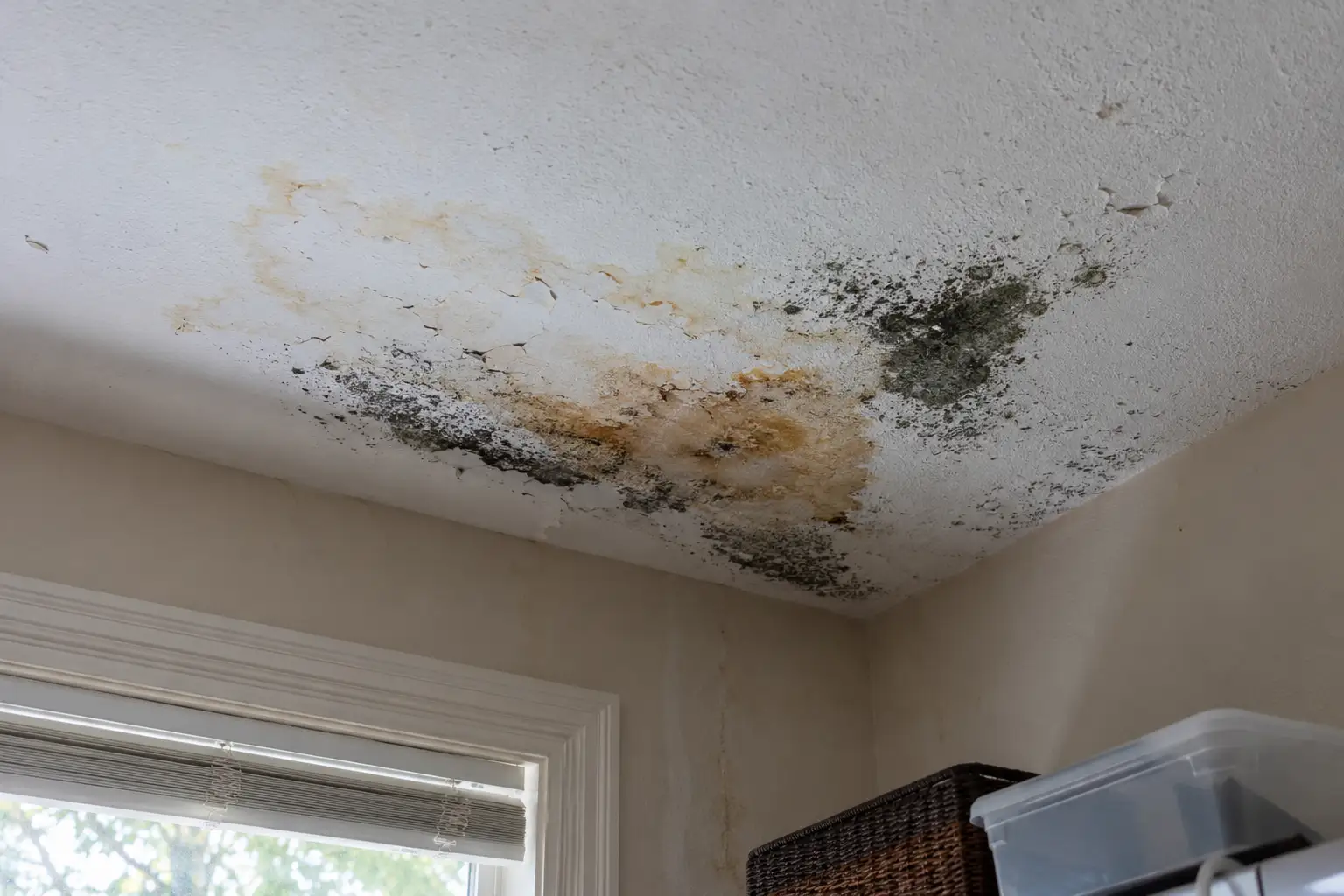
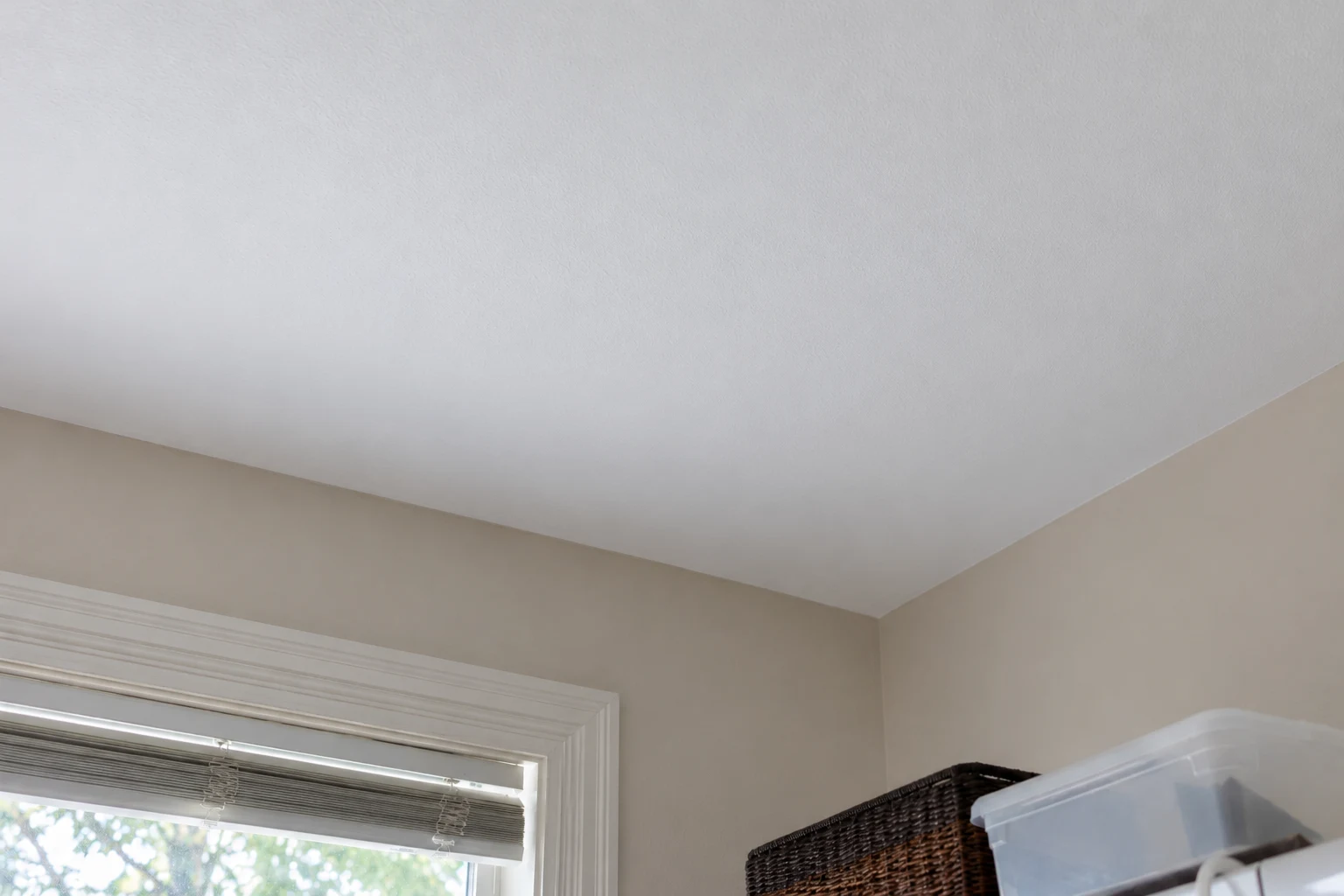
Wall mold remediation — before / after
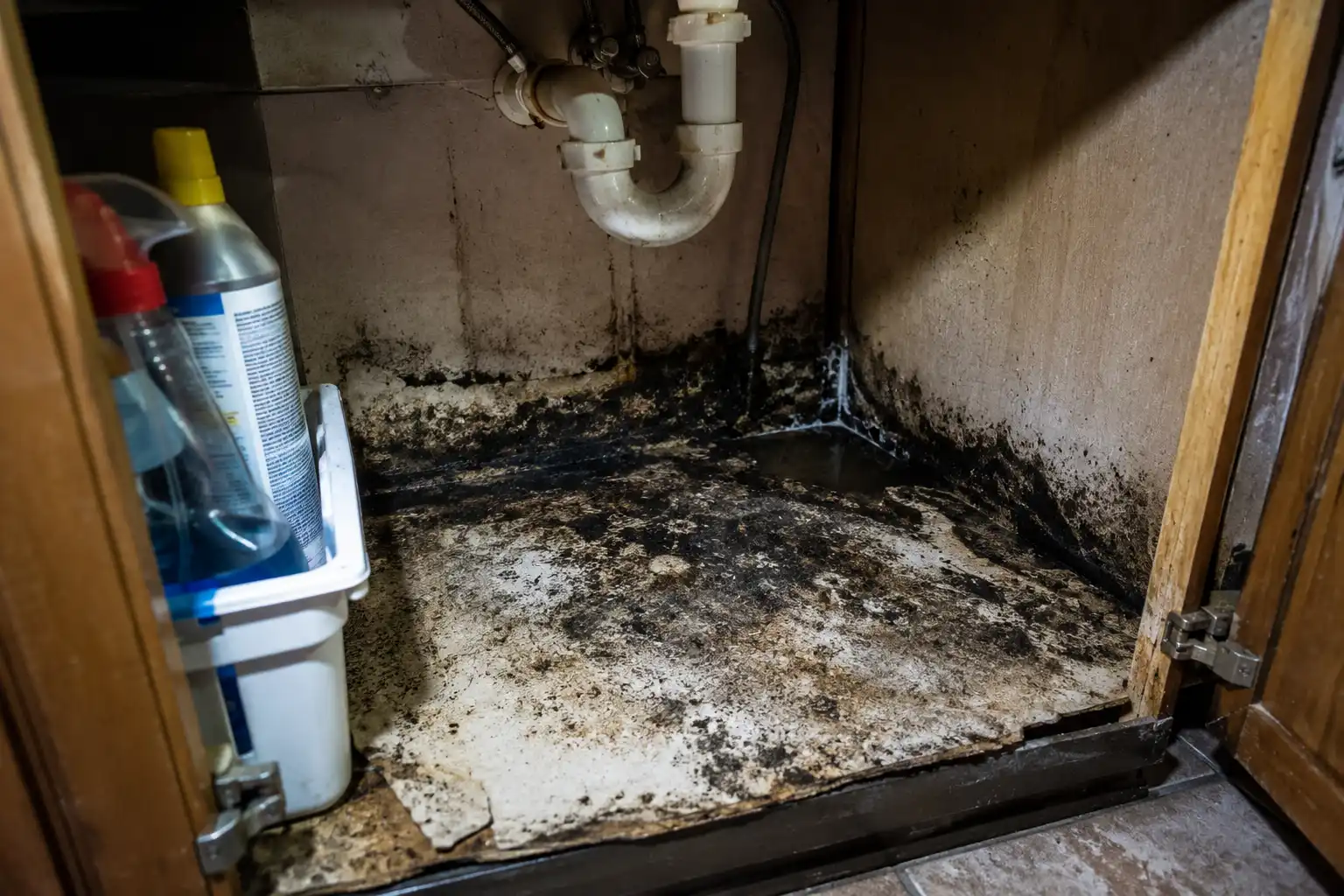
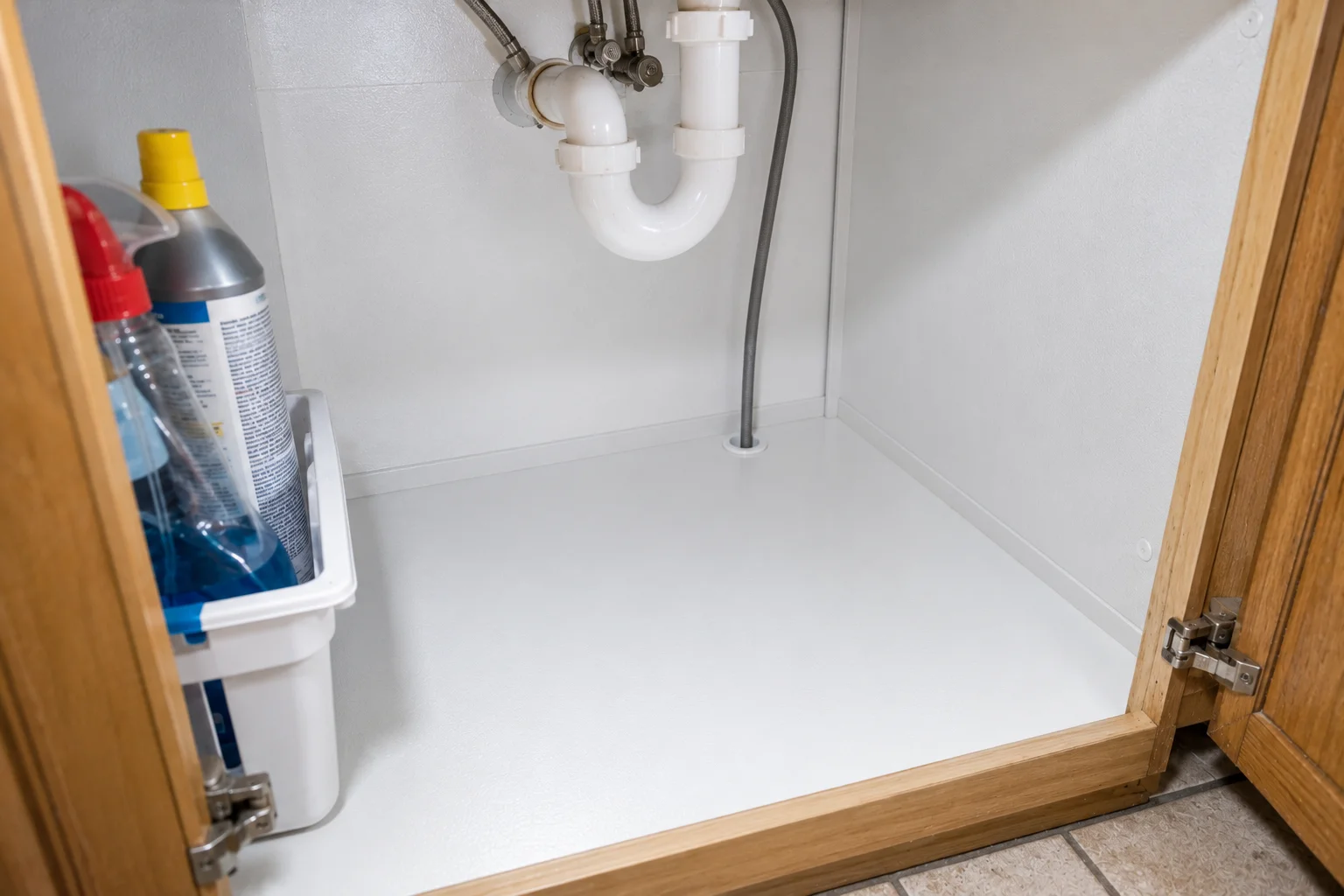
Ceiling mold remediation — before / after
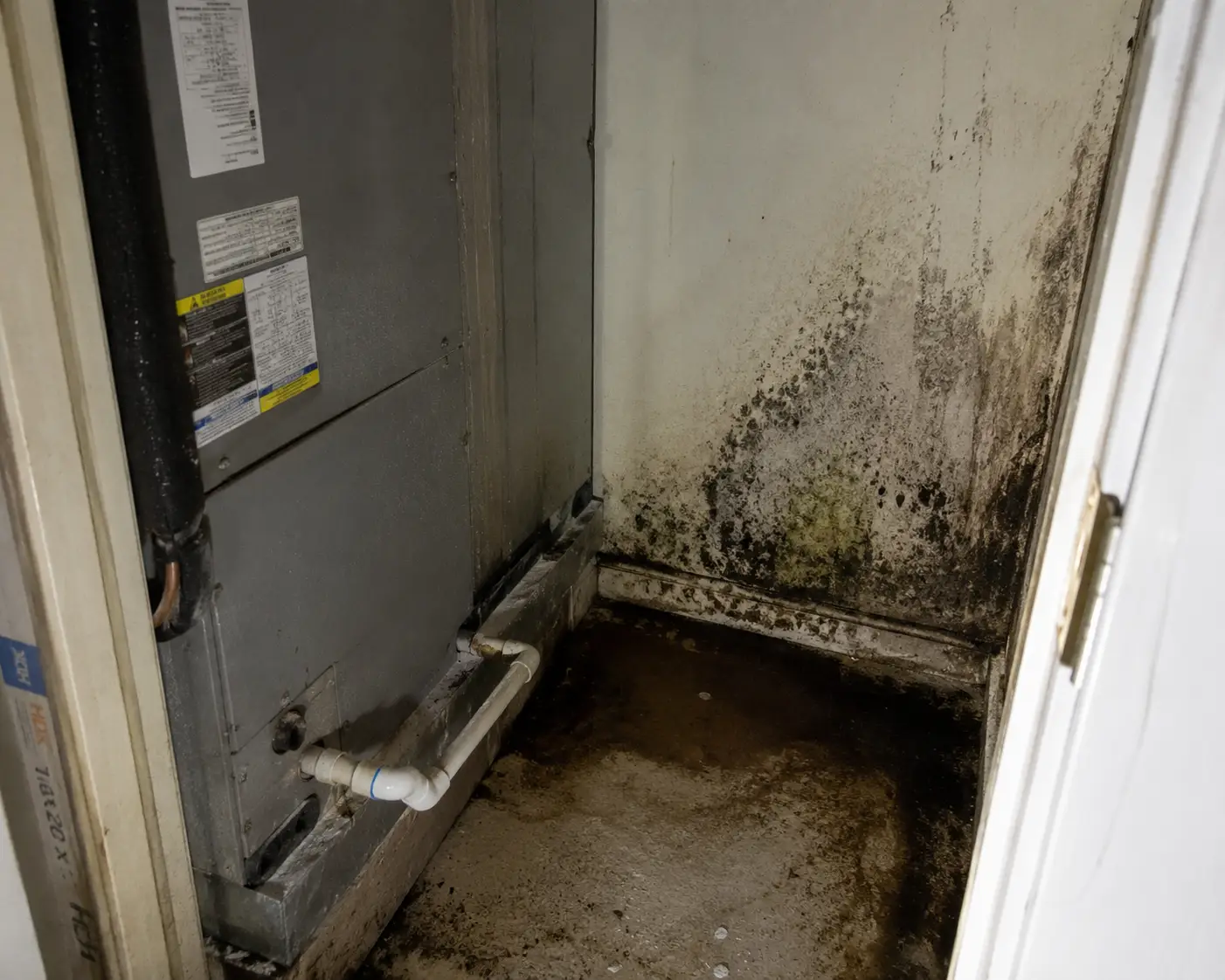
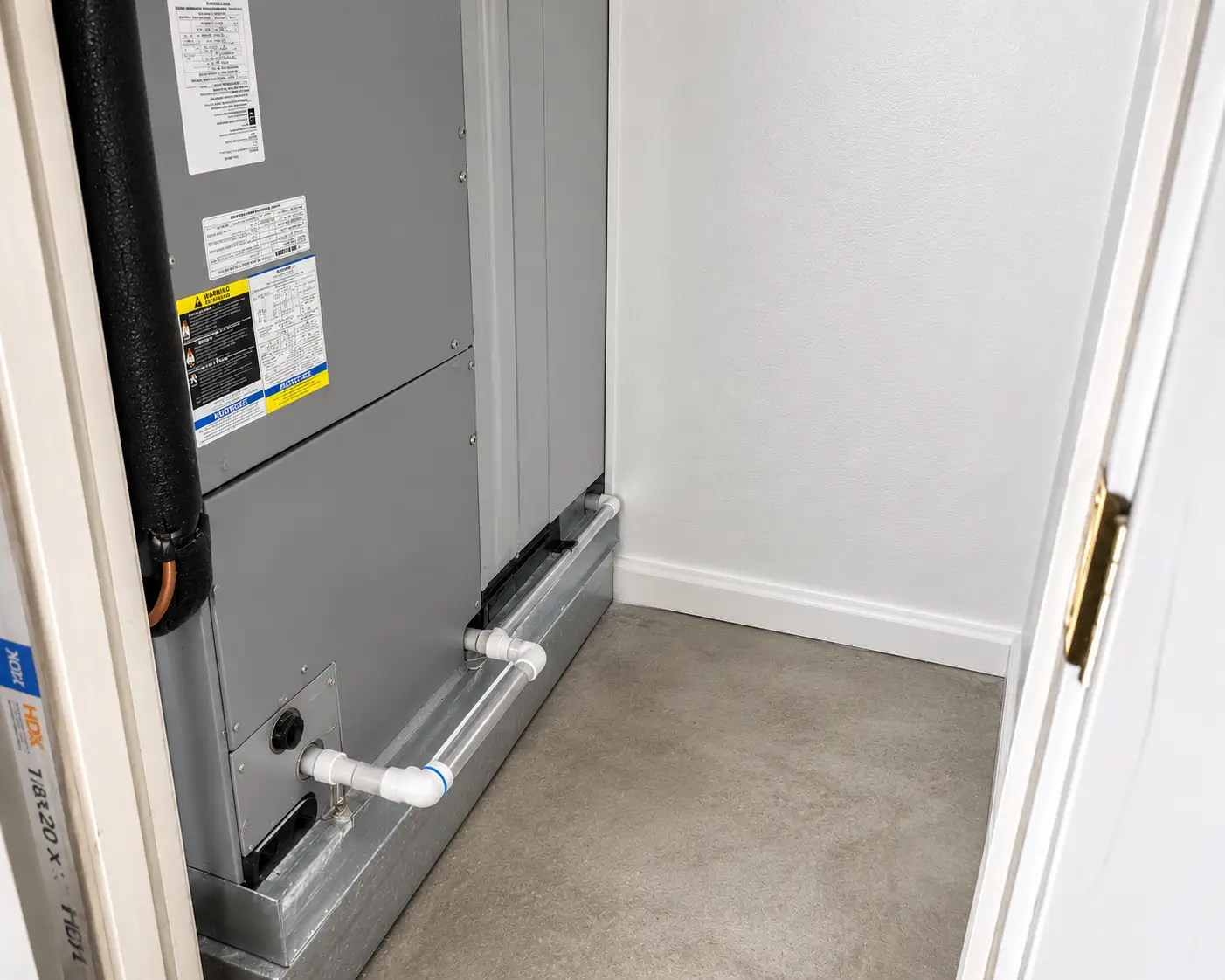
Bathroom moisture & mold — before / after
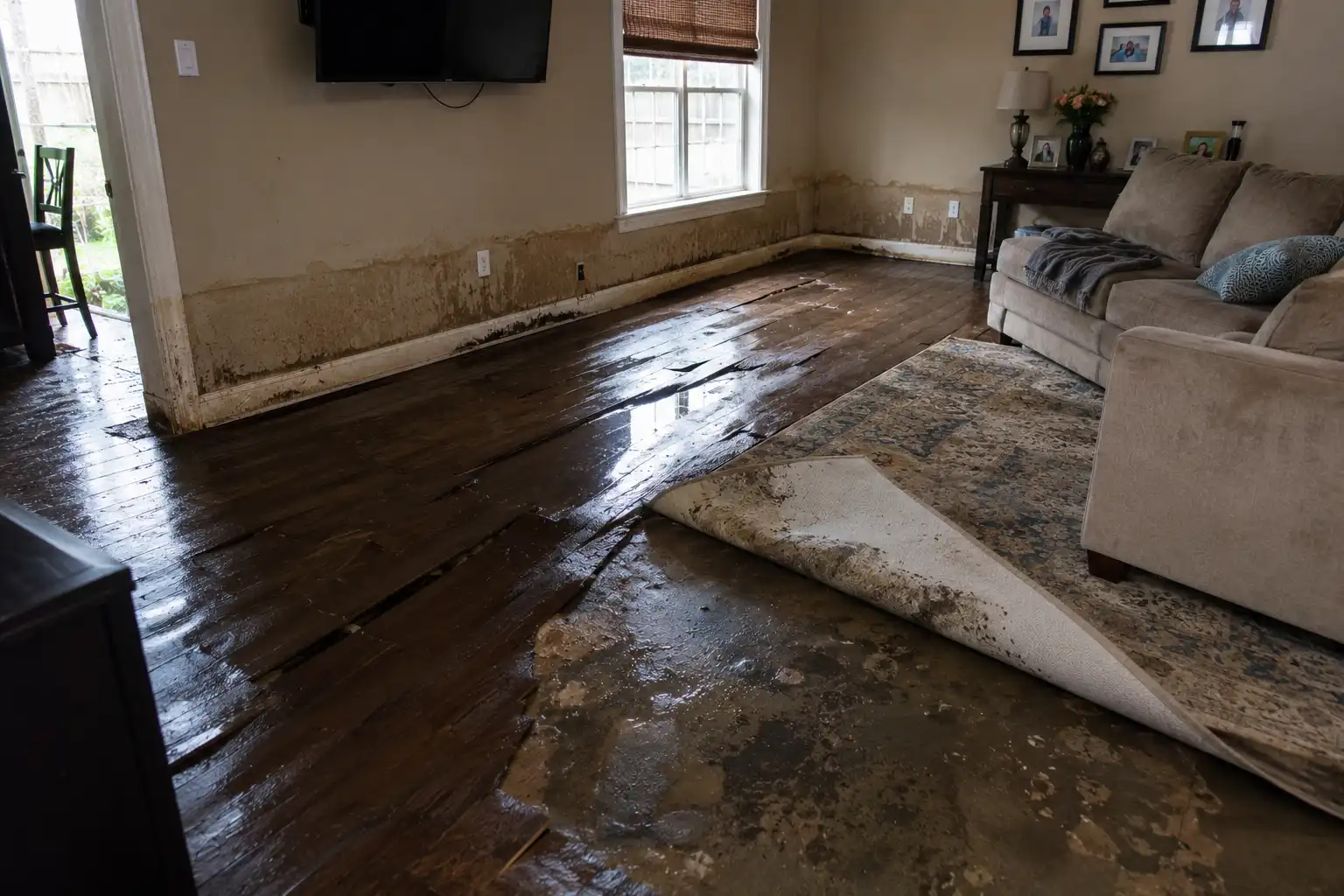
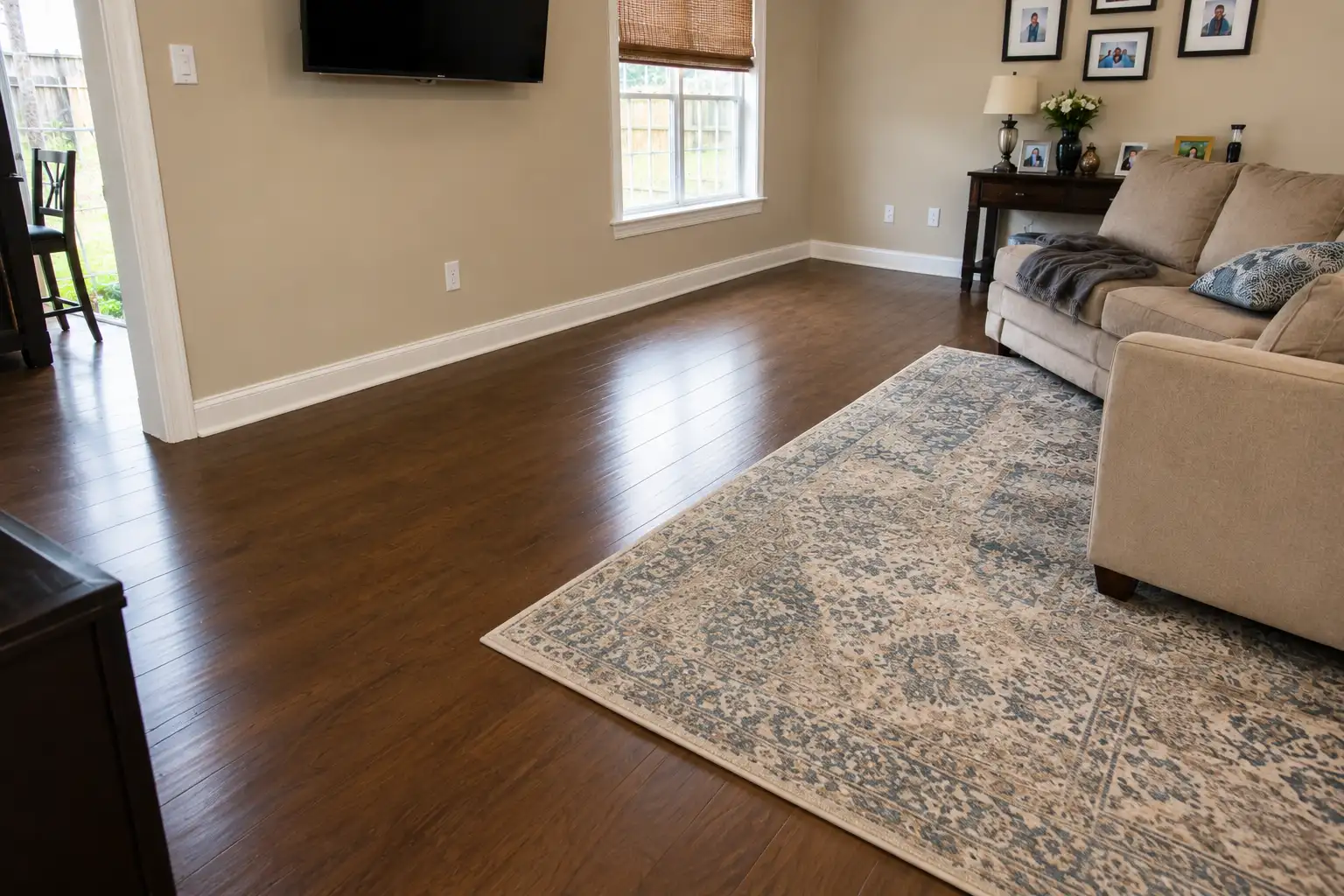
Crawlspace moisture remediation — before / after
Awards & Certifications