Every project below started the same way most Tampa mold problems start: a leak, a smell, or a stain nobody could explain. What differed was the fix each one needed — attic mold, crawl space moisture, black mold on drywall, standing water. Each case follows the same arc: inspection with moisture mapping, contained remediation to the ANSI/IICRC S520 standard, and independent lab-verified clearance before we called it done.
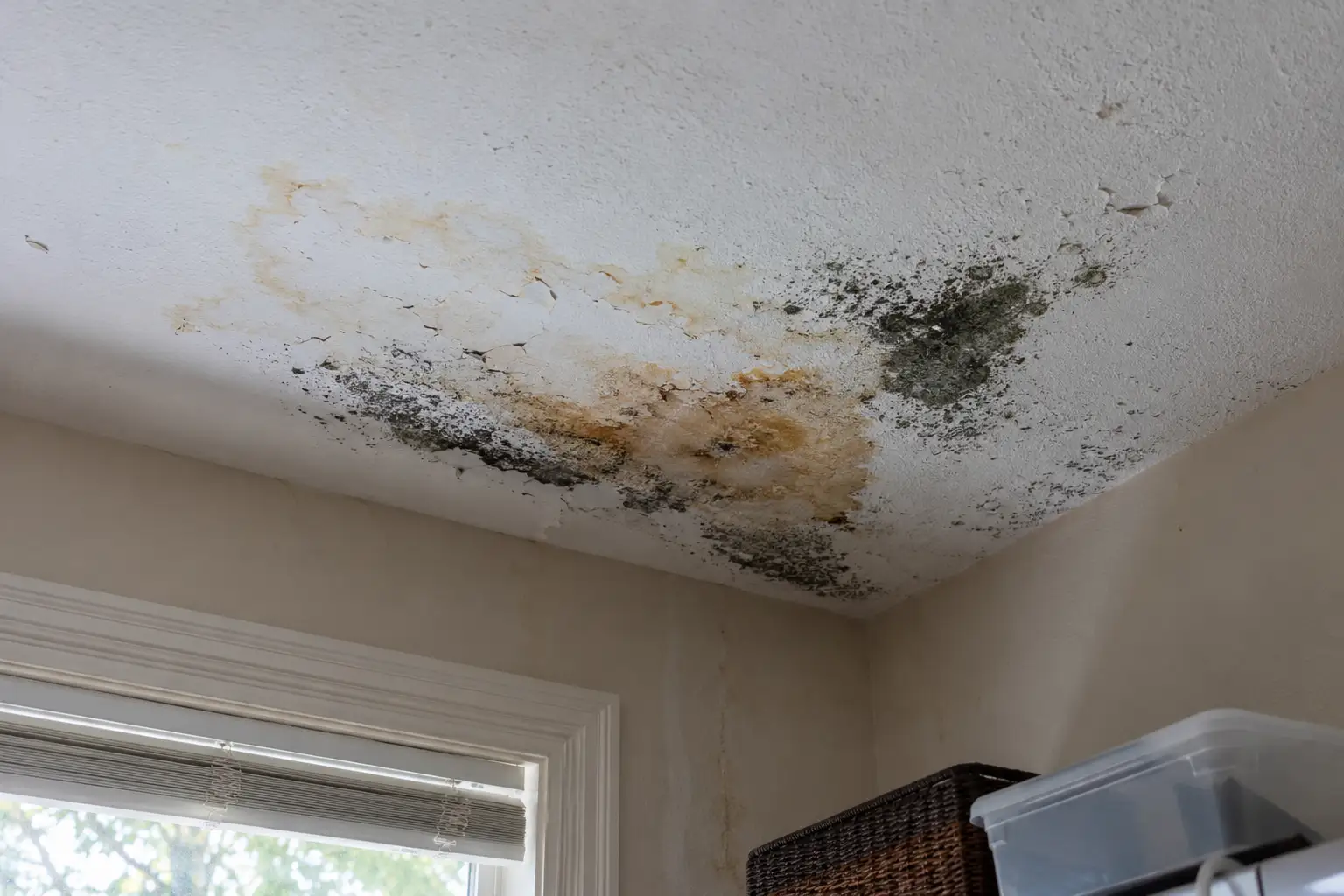
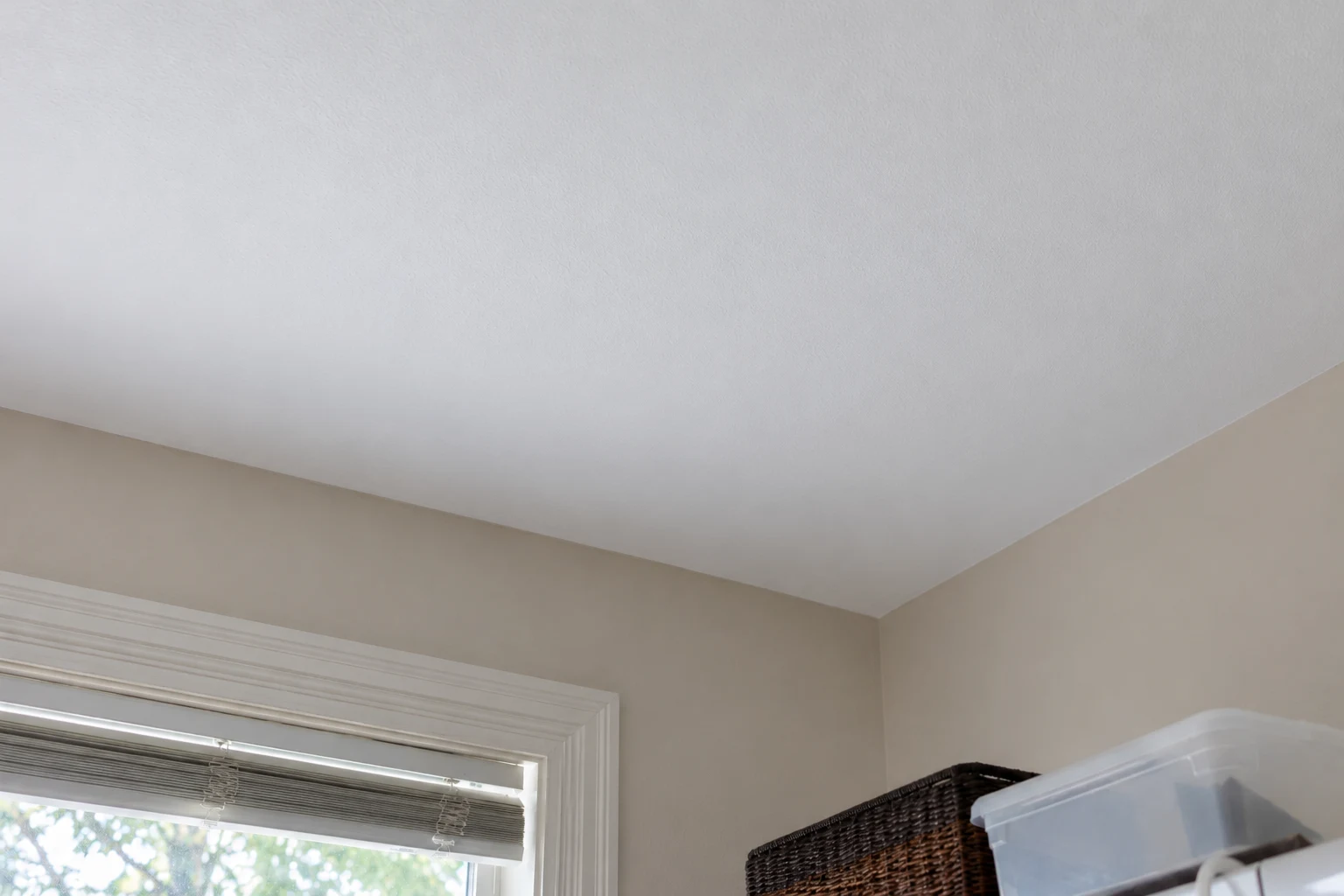
Attic Mold Remediation in South Tampa
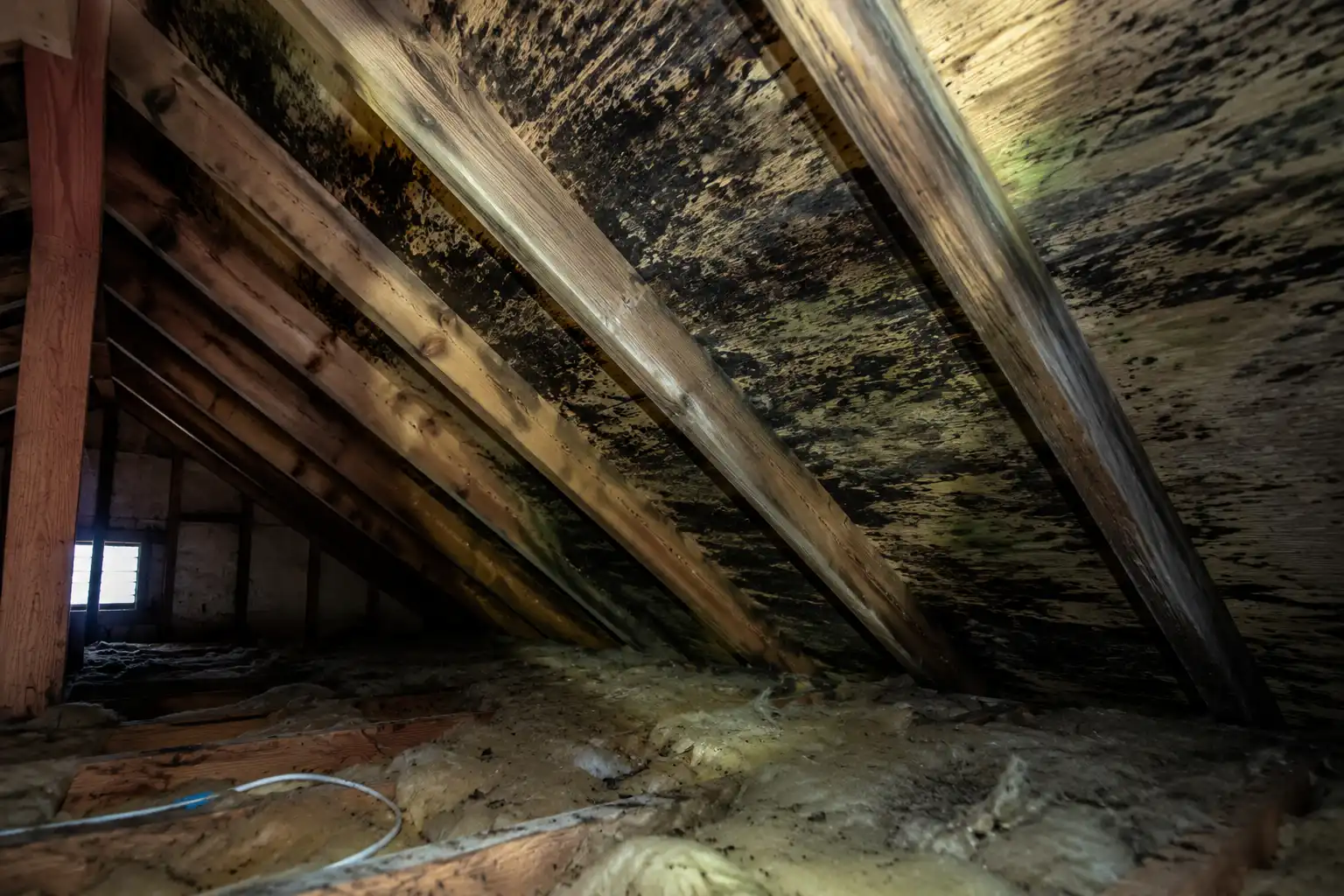
The problem. Attic mold is the classic Tampa surprise — the homeowner called us in — as with most attic jobs in Tampa, the growth had been developing quietly long before anyone looked up there. South Tampa's older housing stock and Florida's relentless attic heat create the perfect setup: a small roof leak or poor ventilation traps warm, moist air against wood sheathing, and mold colonizes quietly for months before anyone looks up there.
Inspection findings. Our inspection traced the growth across the roof sheathing and rafters, with moisture meter readings confirming active dampness rather than old staining. Thermal imaging helped map the full extent without tearing anything open prematurely. Pinpointing the moisture driver — roof leak versus ventilation or condensation — is the detail that determines the whole remediation plan, because treating mold without fixing its water source guarantees a repeat.
What we did. The attic was sealed off from the living space with 6-mil polyethylene containment under negative air pressure, so no spores could migrate downstairs during the work. Contaminated insulation was removed, bagged, and disposed of per Florida DEP guidelines. Sheathing and rafters were HEPA-vacuumed and treated with EPA-registered antimicrobials, with air scrubbers running HEPA filtration throughout. Every step followed the ANSI/IICRC S520 standard — the same protocol our IICRC-Certified technicians use on every remediation job.
Verification. After remediation, an independent certified lab ran clearance testing on the attic air and surfaces. The job was only marked complete when results confirmed spore levels back to normal.
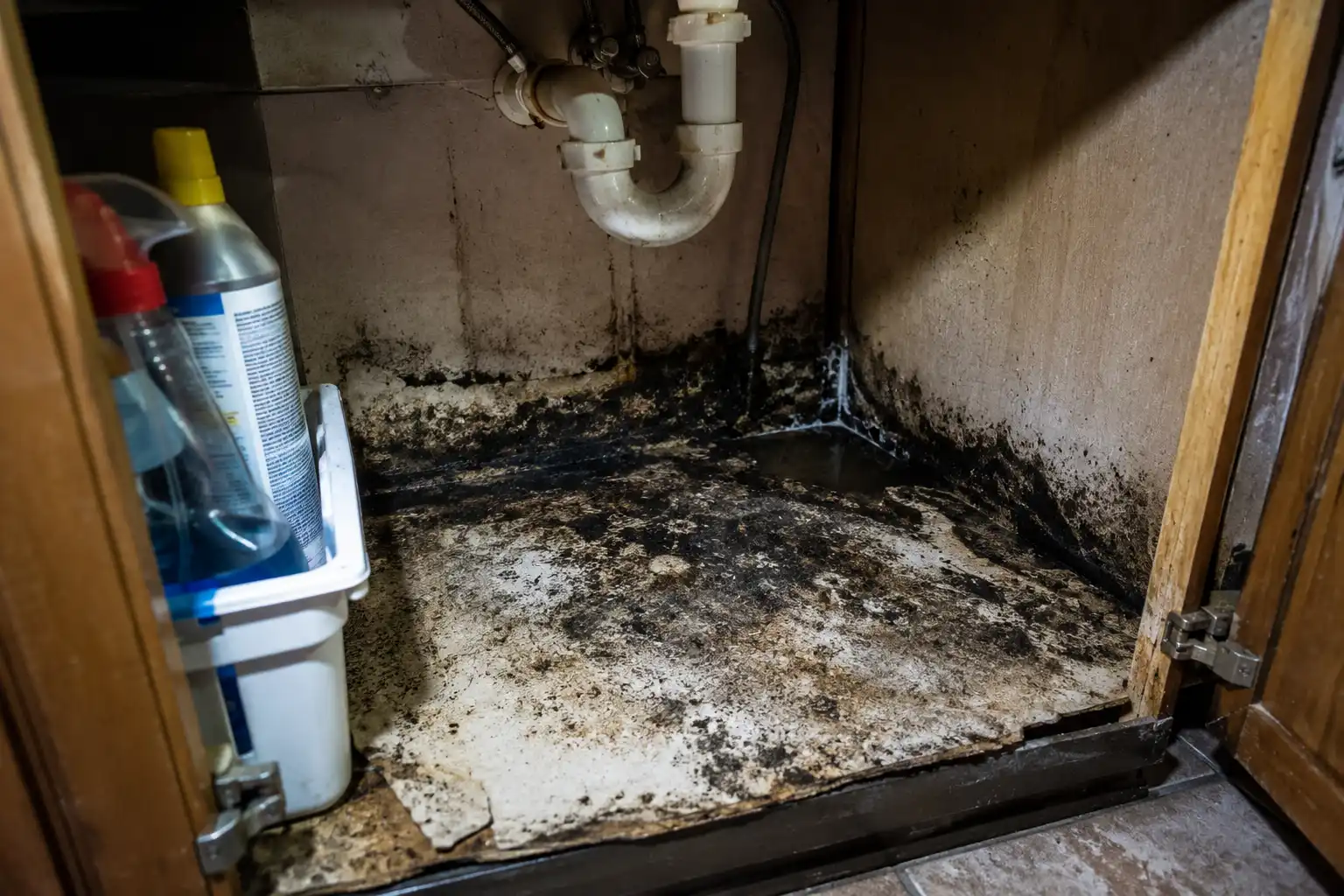
Crawl Space Moisture Mitigation in Davis Islands
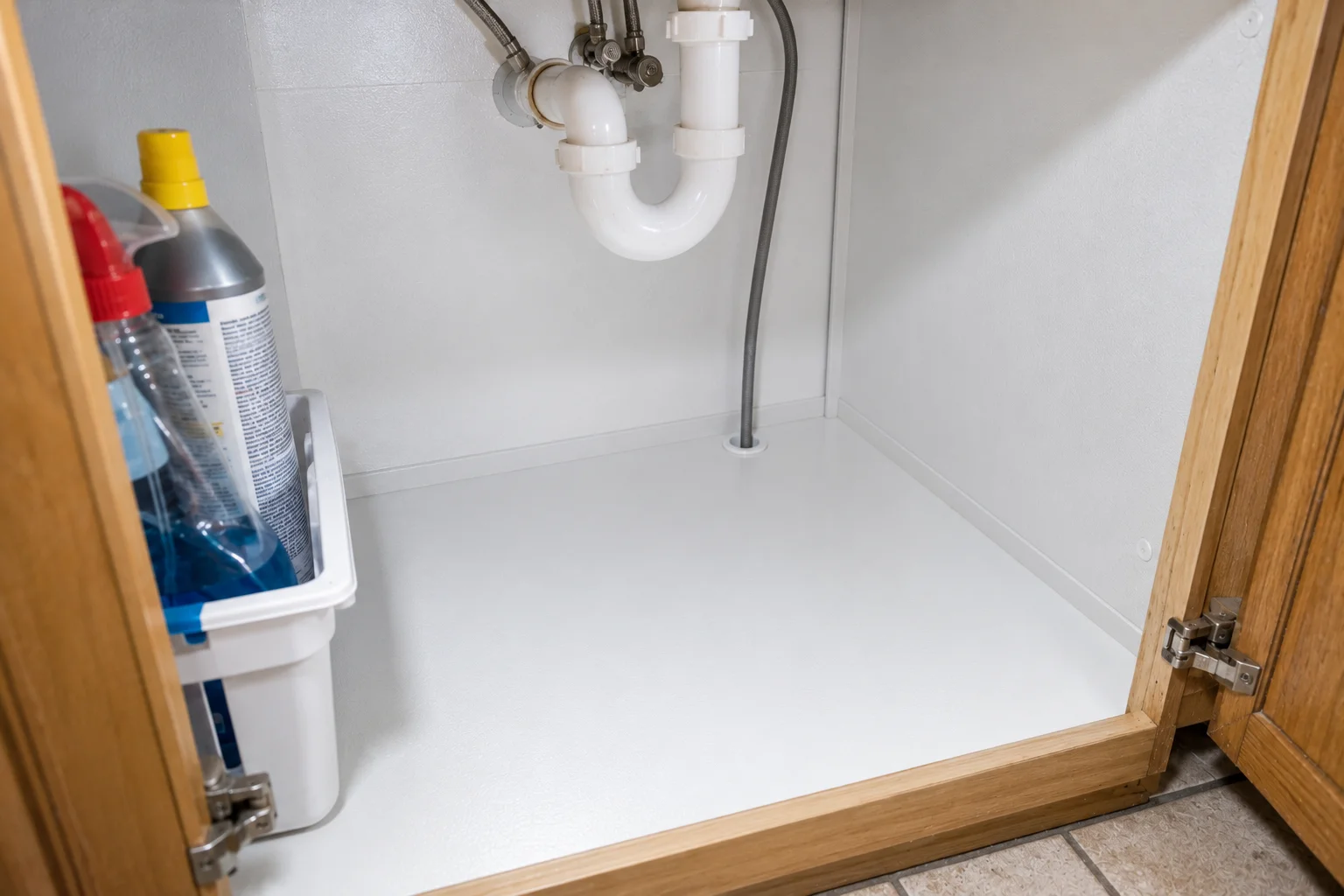
The problem. Davis Islands homes sit on dredged fill, surrounded by water — crawl spaces here live with constant ground moisture and bay-driven humidity. This one surfaced the way crawl space issues usually do — subtle signs that are easy to dismiss until the moisture has done real work. Left alone, crawl space moisture doesn't just grow mold; it rots framing, warps floors above, and pushes musty air up into the living space through the stack effect.
Inspection findings. Moisture mapping showed elevated readings across the crawl space soilside framing, with visible mold colonization on joists and subfloor. In island homes like these, the moisture rarely comes from one dramatic leak — it's the chronic combination of ground vapor, poor ventilation, and Tampa's ambient humidity. The inspection report documented every affected area so the mitigation plan could be sequenced properly instead of guessing.
What we did. Standing moisture was addressed first, then the space was dried with commercial dehumidification sized for the volume. Mold-affected framing was HEPA-vacuumed and treated with EPA-registered antimicrobials; materials too far gone were removed and replaced per scope. Containment kept the work isolated from the home above while air scrubbers maintained negative pressure. Moisture mitigation measures were applied to break the cycle that caused the problem — because drying without addressing the source is just a pause button.
Verification. Post-mitigation moisture readings confirmed the space dry, and independent lab clearance testing verified the remediation. The homeowner got the full documentation package — moisture maps, treatment records, and lab results — the same paperwork that supports insurance claims when carriers ask for proof.
Drywall Water Damage Cleanup in Ybor City
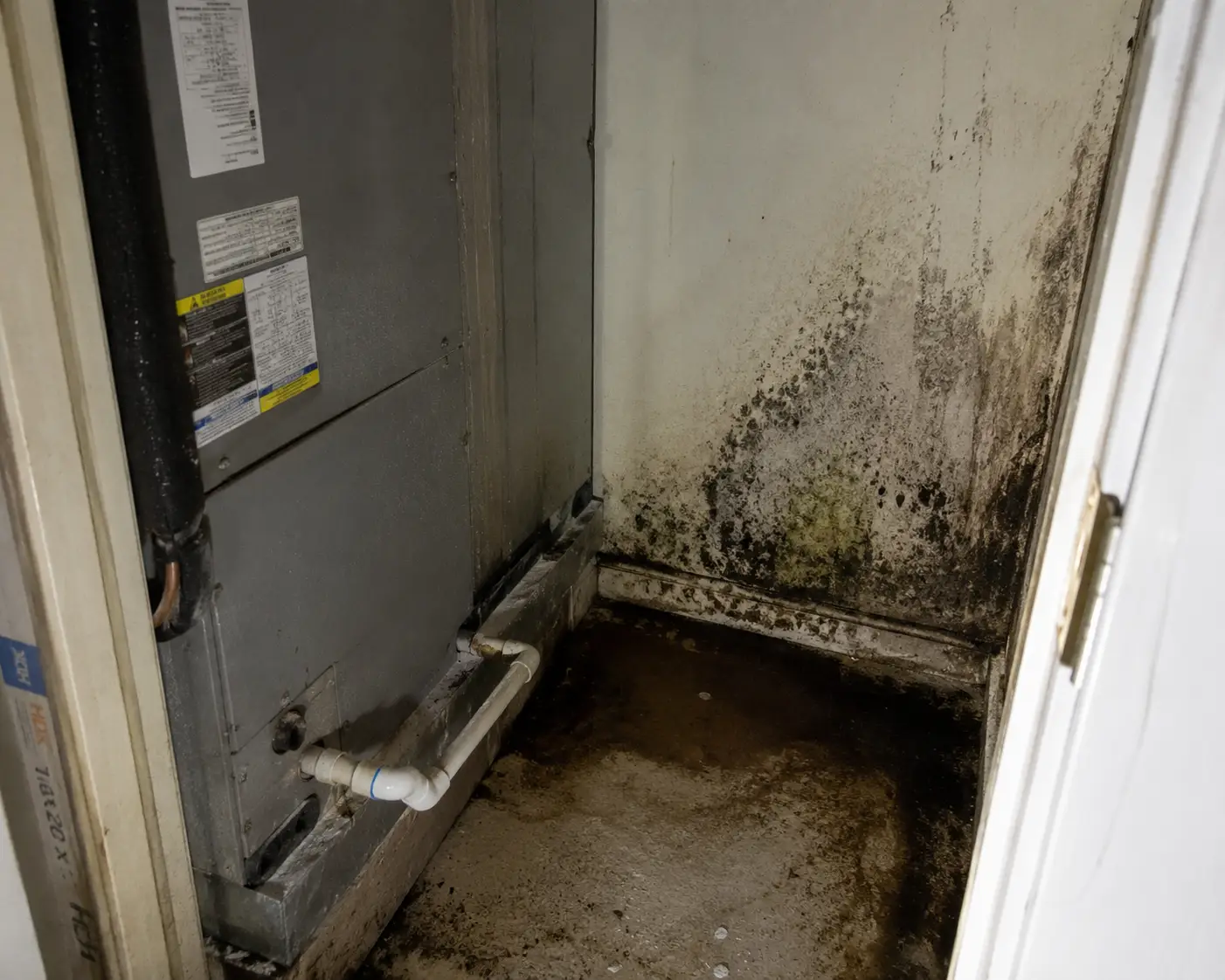
The problem. Ybor City's historic building stock means plaster and drywall that have survived a century of Florida weather — until water finds a way in. Here, water had found its way in — the exact entry point matters less than what the moisture meters revealed next. By the time drywall shows staining or bubbling, the wall cavity behind it has usually been wet far longer, and in Tampa's climate mold follows within 24 to 48 hours.
Inspection findings. Pin-type and non-invasive moisture meters traced the water's path through the wall assembly, revealing saturation well beyond the visible stain — the classic iceberg pattern. Thermal imaging confirmed the full footprint so we opened only what needed opening. Swab sampling identified the growth for the record, which matters for both the remediation plan and the homeowner's documentation.
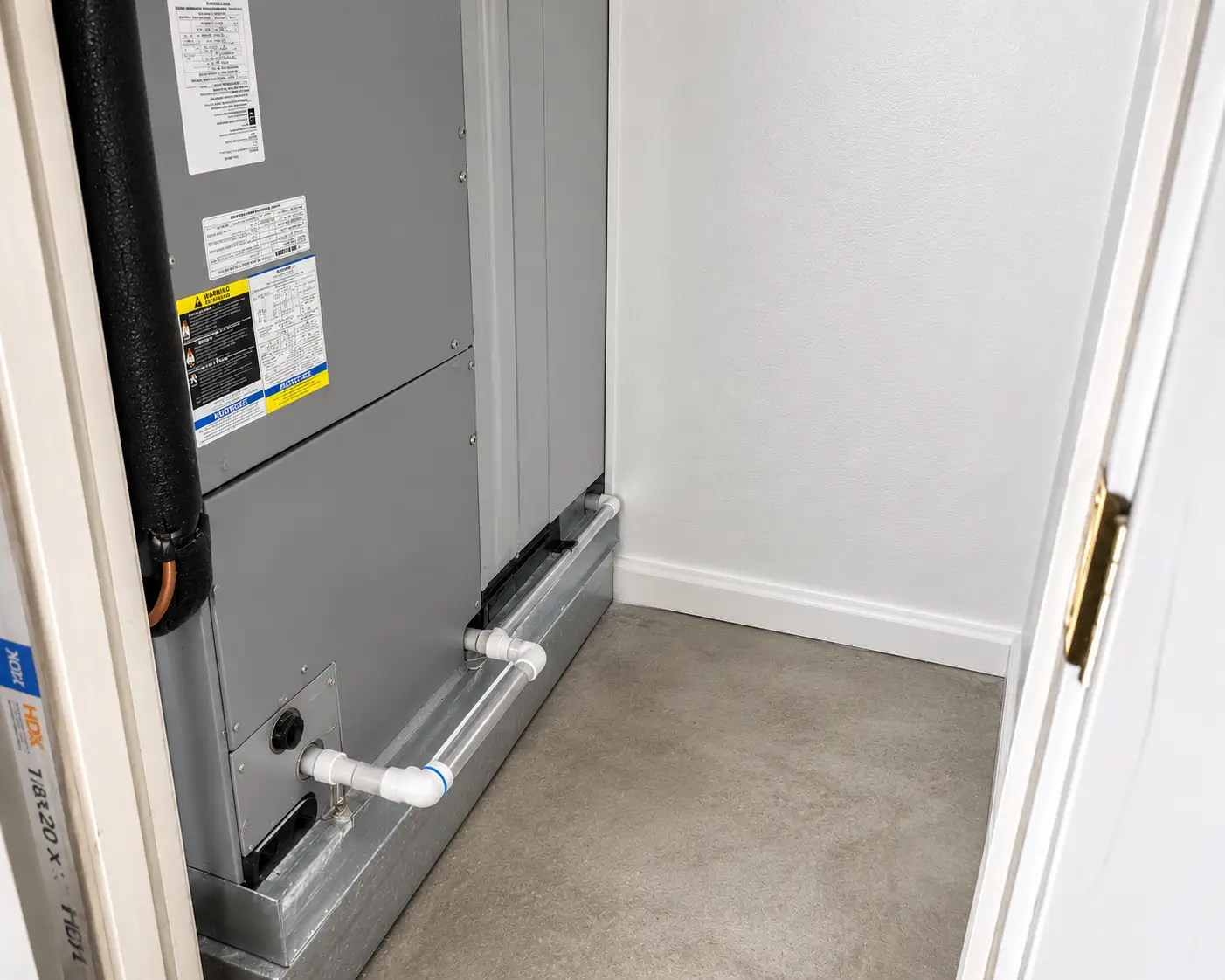
What we did. The water source was addressed first — remediation never starts until the leak stops. Containment went up around the work zone under negative air pressure. Saturated drywall was cut back to clean, dry margins, removed in sealed bags, and disposed of per Florida DEP guidelines. The exposed framing was dried to standard with commercial dehumidification, HEPA-vacuumed, and treated with EPA-registered antimicrobials. Air scrubbers ran throughout to capture airborne spores released during the work.
Verification. Independent lab clearance testing on air and surfaces confirmed the space clean before containment came down. The project closed with the documentation package — inspection findings, moisture logs, treatment records, lab results — everything an insurance carrier expects to see.
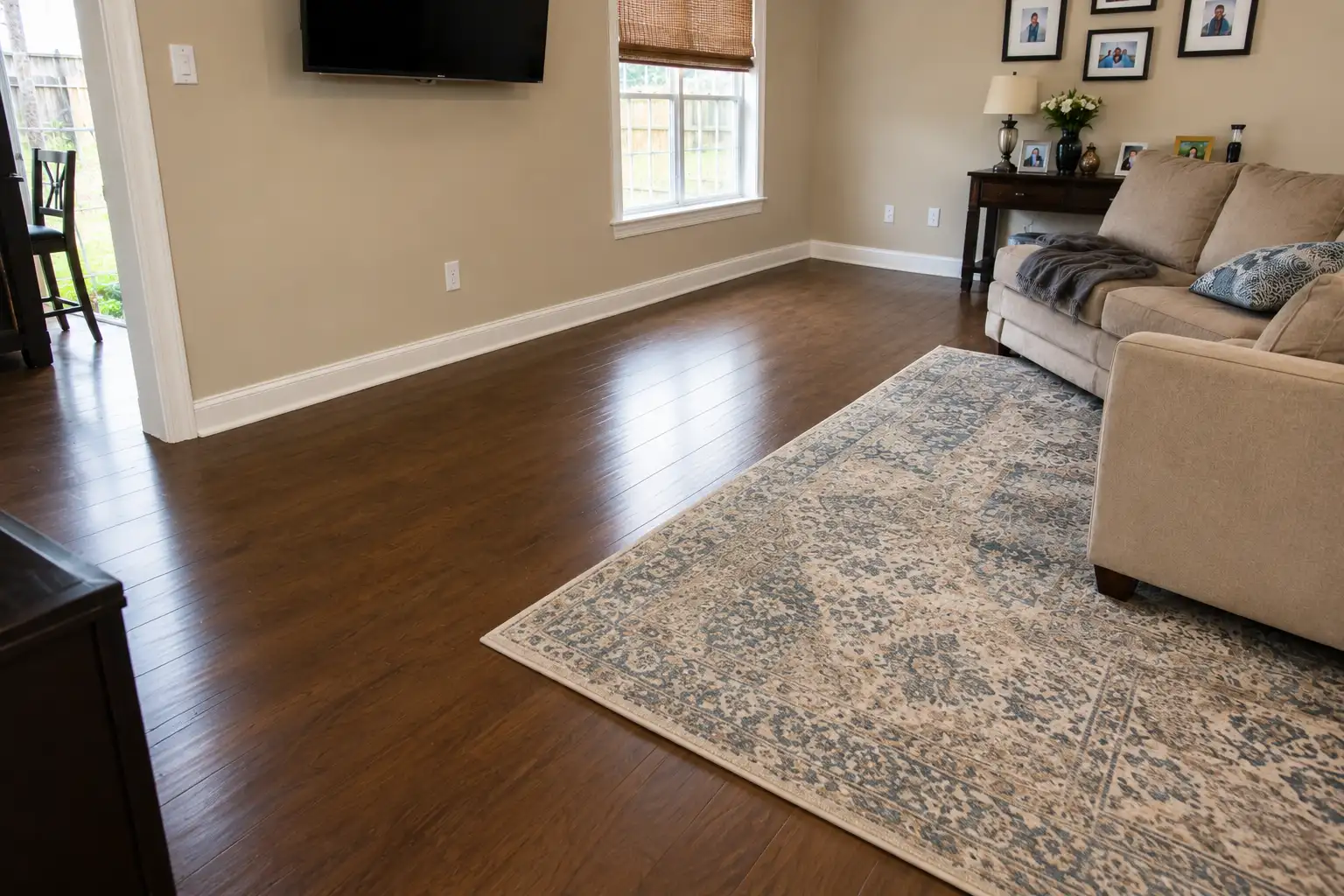
Black Mold Removal in Hyde Park
The problem. Hyde Park's historic homes are beautiful — and their age makes them prime candidates for hidden moisture: old plumbing, settled foundations, decades of small leaks behind walls. In this home, dark growth was found where moisture had been feeding it unseen — the scenario that makes hidden leaks the costliest kind. "Black mold" gets the headlines, but our first job is always the same regardless of color: find the moisture, map the extent, then remediate to standard.
Inspection findings. The inspection found the colony's footprint extended beyond what was visible — typical of growth feeding on a slow, chronic leak inside a wall cavity. Moisture mapping defined the true boundary so containment could be sized correctly from the start. Surface sampling went to an independent certified lab to identify the species for the record; as we tell every homeowner, color alone never determines the plan — extent and moisture do.
What we did. Full S520 protocol: 6-mil polyethylene containment under negative air pressure sealed the work area from the rest of the home. Contaminated drywall was removed to clean margins, bagged, and disposed of per Florida DEP guidelines. Remaining structural surfaces were HEPA-vacuumed and treated with EPA-registered antimicrobials, with HEPA air scrubbers running for the duration. No shortcuts, no surface wiping — black mold roots deep into porous materials, and only physical removal plus treatment resolves it.
Verification. An independent certified lab ran post-remediation clearance testing before we called the job done — air and surface samples confirming the space back to normal conditions. That lab-verified proof, plus our 7-year workmanship warranty, is what the homeowner took away: not our word that it was clean, but a lab's.
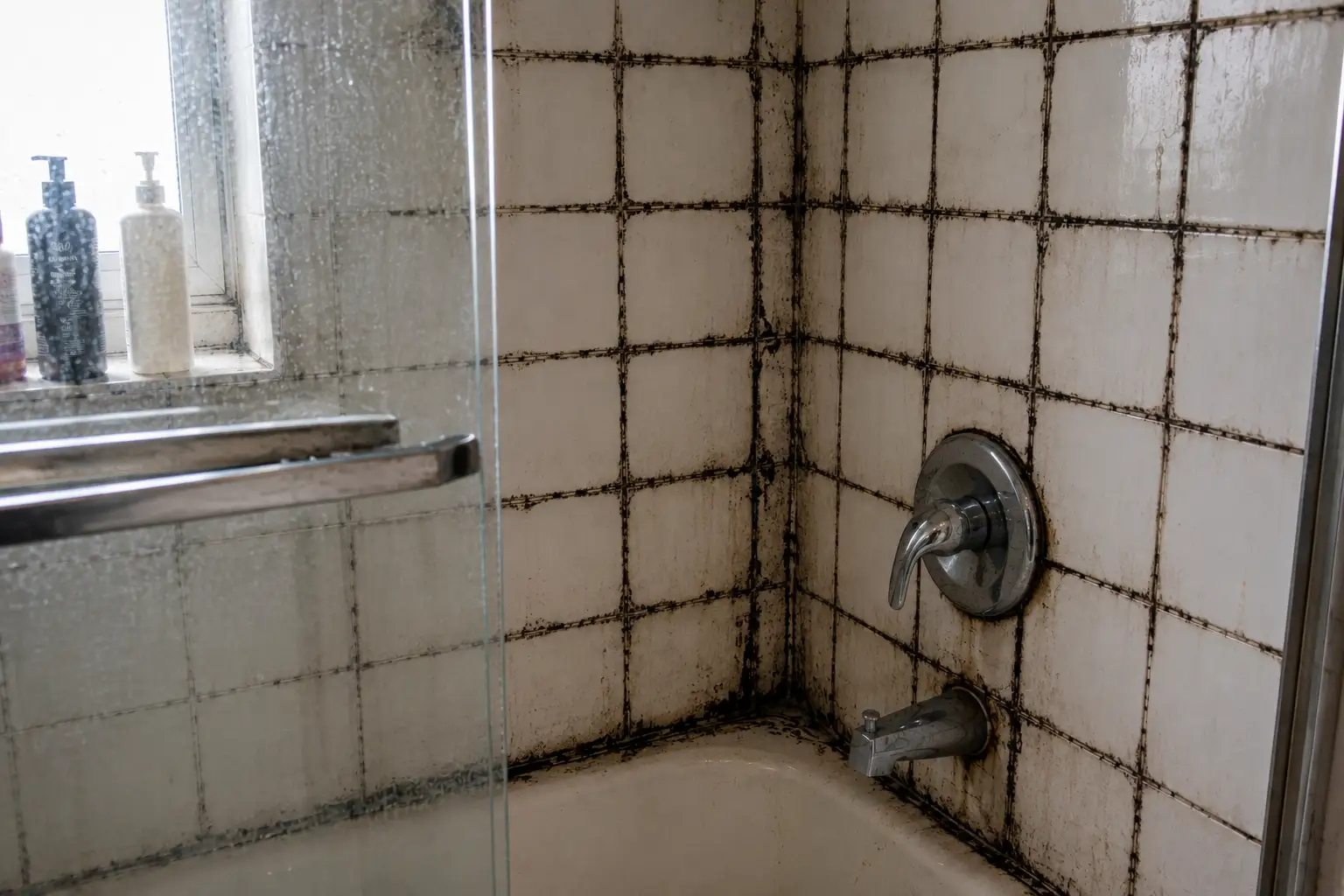
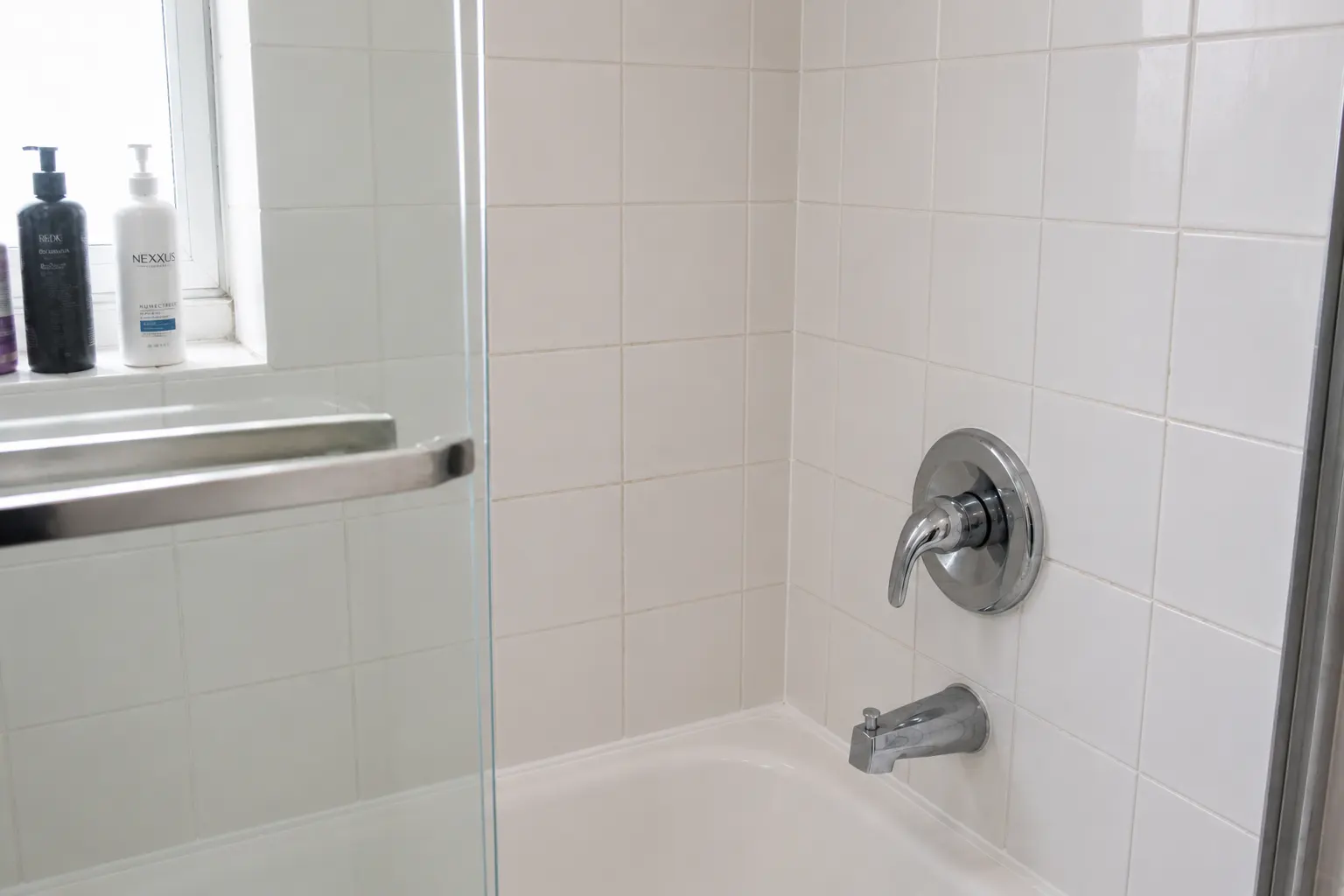
Water Extraction & Recovery in Seminole Heights
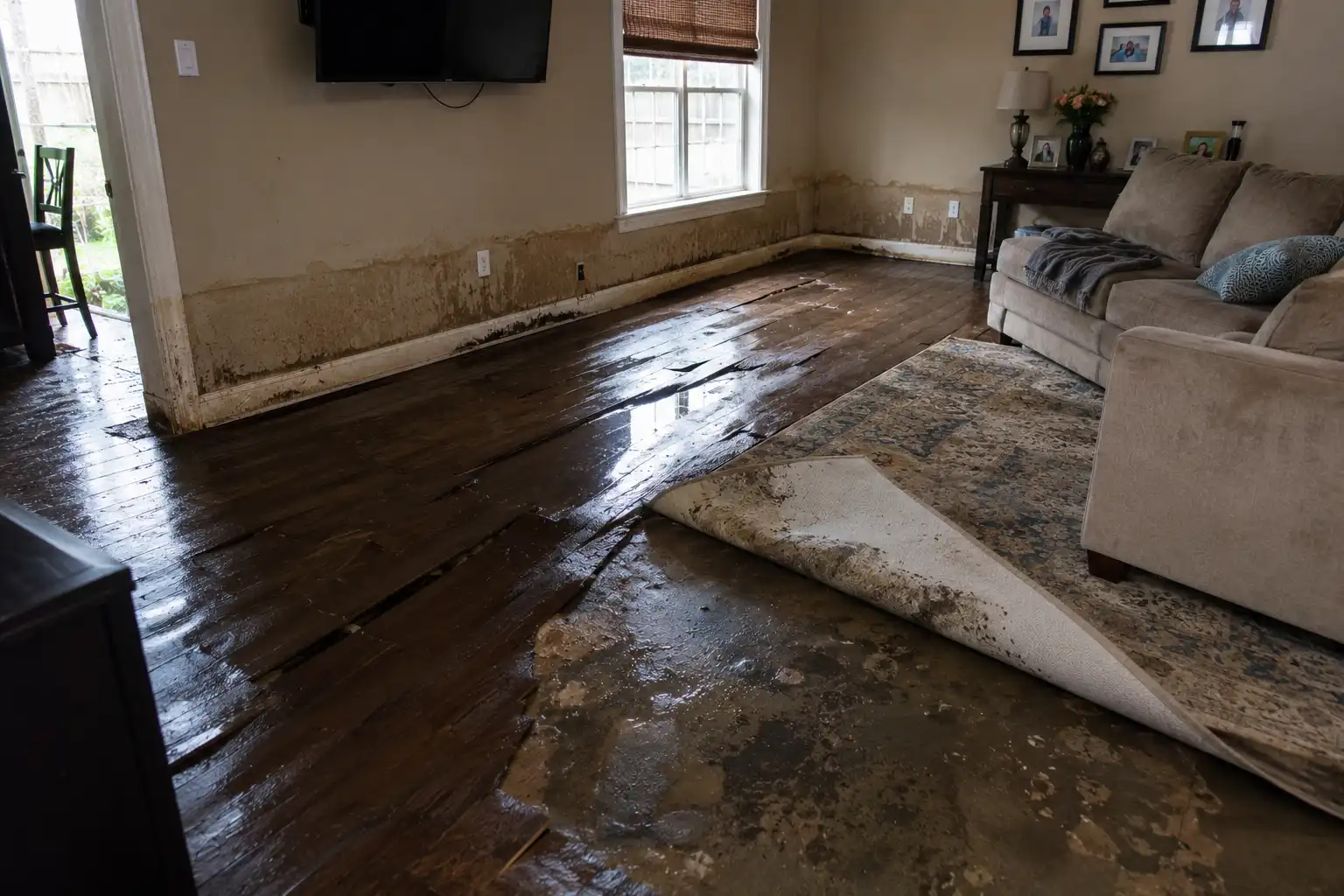
The problem. Seminole Heights sits in one of Tampa's lower-lying areas, and when water comes in fast, the first 24 hours decide whether it's a water job or a water-plus-mold job — regardless of the source. Standing water was across the affected rooms when we arrived, and the priority was immediate extraction before wicking spread it further.
Inspection findings. The priority was speed with precision: moisture meters and thermal imaging mapped how far water had wicked into drywall, baseboards, and flooring while extraction equipment was being staged. In Tampa's heat, soaked drywall starts growing mold within 24 to 48 hours — so the extraction plan and the drying plan were built together, not sequentially.
What we did. Truck-mounted extractors removed the standing water first, then the focus shifted to structural drying: commercial dehumidifiers and air movers positioned from the moisture map, with daily moisture readings tracking progress. Materials that couldn't be dried to standard were removed in sealed containment rather than left to become tomorrow's mold colony. Every reading was logged — that log becomes the backbone of the documentation package.
Verification. Drying continued until moisture readings hit the dry standard throughout — verified by meter, not by guess. Because the response was fast and the drying was verified, what could have become a full mold remediation stayed a water recovery job. That's the entire argument for calling within hours, not days: (813) 845-8355, 24/7.
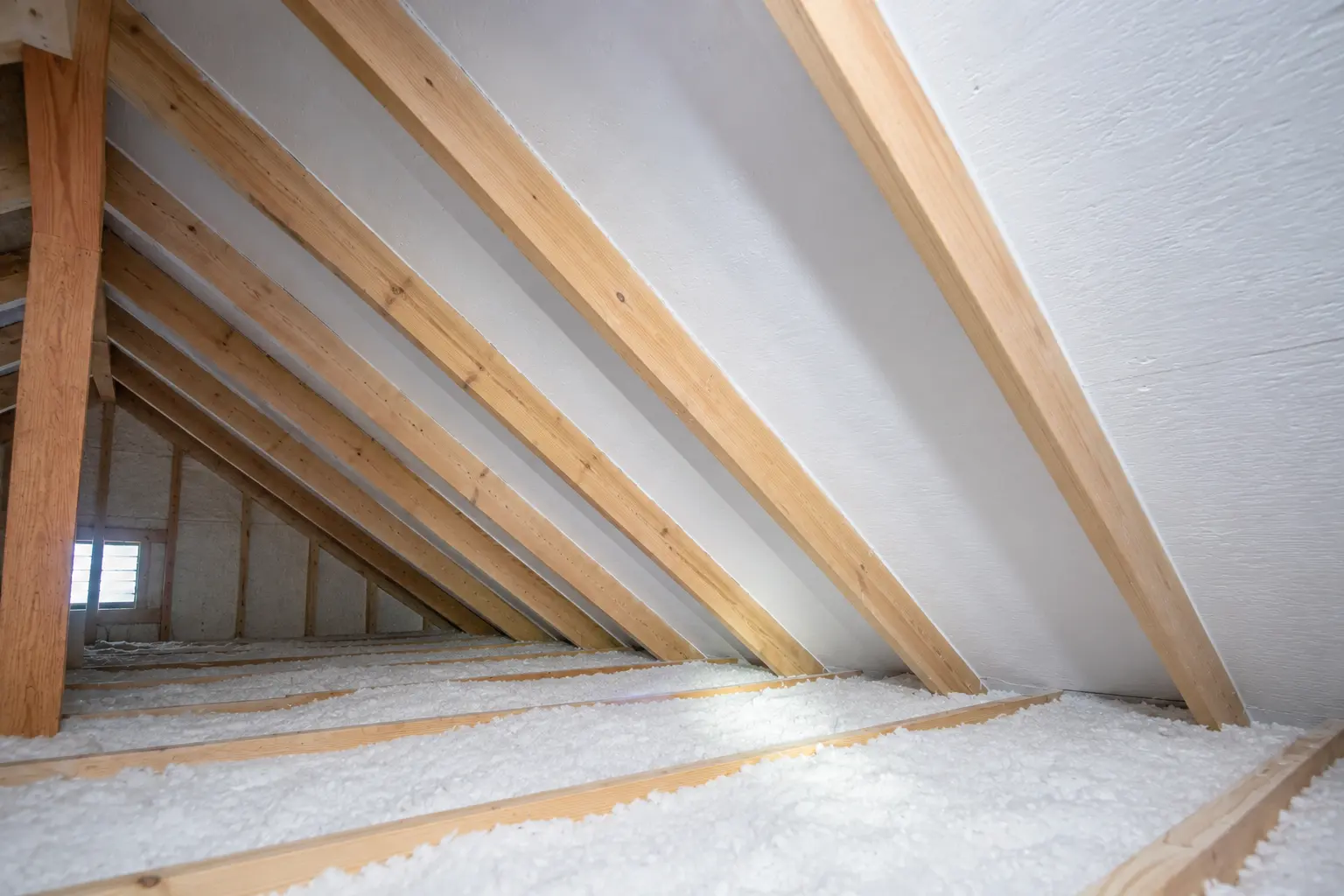
Basement Dehumidification & Sanitization in South Tampa
The problem. Basements are rare in Tampa — high water table — so the few that exist fight constant hydrostatic pressure and humidity. This one showed the classic below-grade warning signs — the kind of dampness that's easy to ignore until the space becomes a spore source for the house above. Below-grade spaces in Florida don't forgive slow responses: concrete wicks moisture continuously, and once mold establishes on framing or stored materials, the whole space becomes a spore source for the house above.
Inspection findings. Moisture readings confirmed chronic dampness rather than a single event — the pattern you see when groundwater vapor and poor dehumidification compound over time. Visible growth was mapped across the affected wall framing, and air sampling established the baseline for later clearance comparison.
What we did. The space was contained from the living areas above, then dried with commercial dehumidification sized for below-grade conditions. Affected materials were HEPA-vacuumed and treated with EPA-registered antimicrobials; unsalvageable materials were removed under containment and disposed of per Florida DEP guidelines. Sanitization followed the drying — order matters, because treating mold on still-damp surfaces wastes the effort.
Verification. Post-project moisture readings confirmed dry standard, and independent lab clearance testing verified the remediation before containment came down. The homeowner left with the full documentation set and a clear maintenance note: in a Tampa basement, humidity control isn't optional — it's the difference between a one-time job and a repeat.
Related Services & Coverage Areas
Navigate to detailed service guides, Tampa neighborhood coverage, and company credentials.