
Tampa doesn't give mold a season off. Between the humidity, the afternoon storms, and air conditioners working overtime nine months a year, the average Tampa home offers mold everything it needs — moisture, warmth, and food (drywall, wood, dust). The good news: prevention is mostly about controlling moisture, and most of it is simple habit, not renovation.
1. Keep indoor humidity at or below 50%
This is the single highest-leverage thing you can do. Mold thrives above 60% relative humidity; keep your home at or below 50% and you starve most colonies before they start. A $15 hygrometer tells you where each room stands — check bedrooms, bathrooms, and any room that feels "sticky." If readings sit above 60% regularly, you have a mold risk whether or not you can see growth yet.
2. Make your AC pull its weight
Your air conditioner is also your dehumidifier — but only if it's maintained. A right-sized, well-maintained system wrings moisture out of Tampa air all summer. What undermines it: clogged condensate drain lines (water backs up and breeds mold in the pan), dirty evaporator coils, and neglected filters choking airflow. Have the drain line cleared, change filters on schedule, and get the system serviced before cooling season. If your home still feels clammy with the AC running, the system may be oversized (short-cycles without dehumidifying) — worth a professional look.
3. Ventilate bathrooms, kitchens, and laundry properly
Every shower, every boiling pot, every dryer load pumps moisture into your air. Run exhaust fans during and for 20–30 minutes after — and confirm they vent OUTSIDE, not into the attic (a depressingly common Tampa shortcut that just relocates the mold problem overhead). If your bathroom mirror stays fogged long after a shower, your ventilation is losing.
4. Fix leaks within 24–48 hours — no exceptions
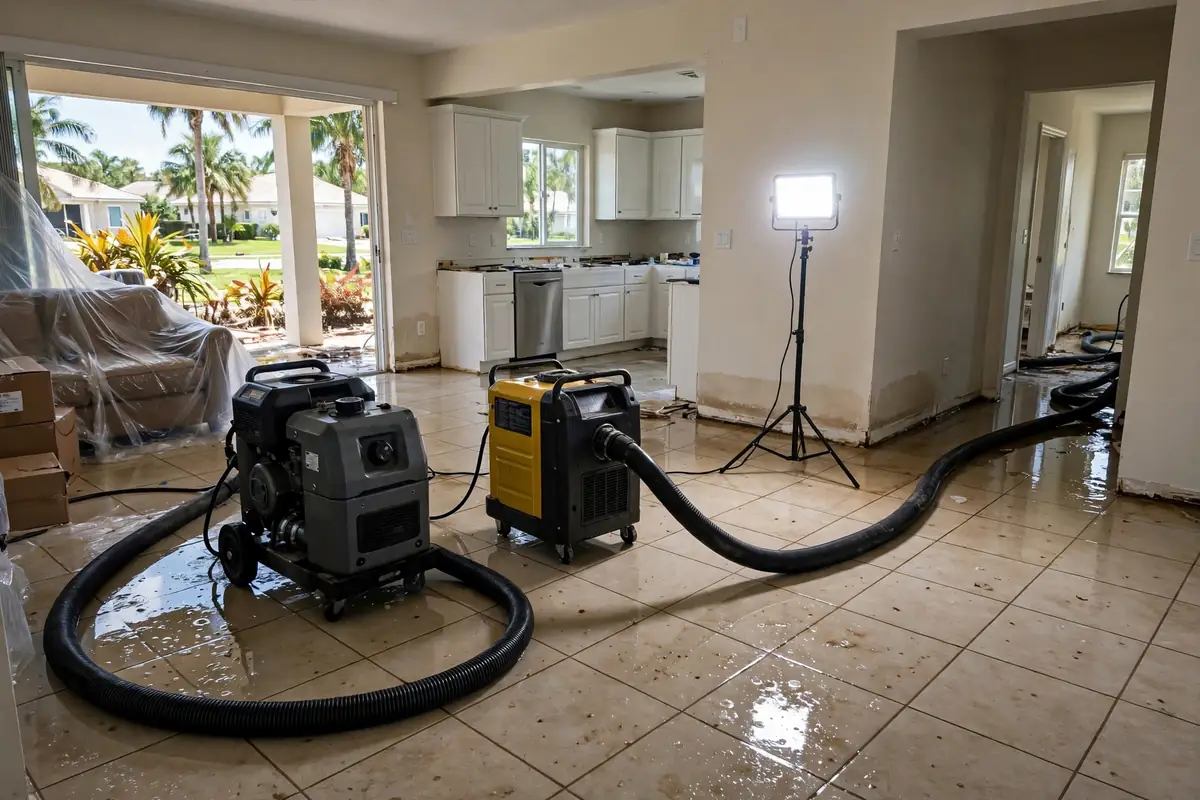
Mold starts colonizing wet drywall within 24 to 48 hours in Florida's heat. A dripping supply line, a slow roof leak, a sweating toilet tank — the clock starts at first wetness, not when you notice the stain. Small leaks get a pass in most homeowners' minds; mold doesn't grant them. When you find water where it shouldn't be, dry it, fix the source, and watch the spot for a week.
5. Don't forget attics and crawl spaces
Attics bake all summer — combine that heat with a small roof leak or poor ventilation and sheathing becomes a mold farm you'll never see from the hallway. Peek up there after every major storm: daylight through boards, dark streaking, damp insulation. Crawl spaces have the opposite problem — constant ground moisture and bay humidity. Annual checks of both spaces catch what daily life hides.
6. Build a monthly 10-minute habit
Walk your home once a month and look for: musty odors (especially when the AC kicks on), discoloration on ceilings and walls, peeling paint or bubbling drywall, condensation on windows or vents, and dampness under sinks. Ten minutes, once a month, prevents the "how did it get this bad?" discovery.
When prevention isn't enough
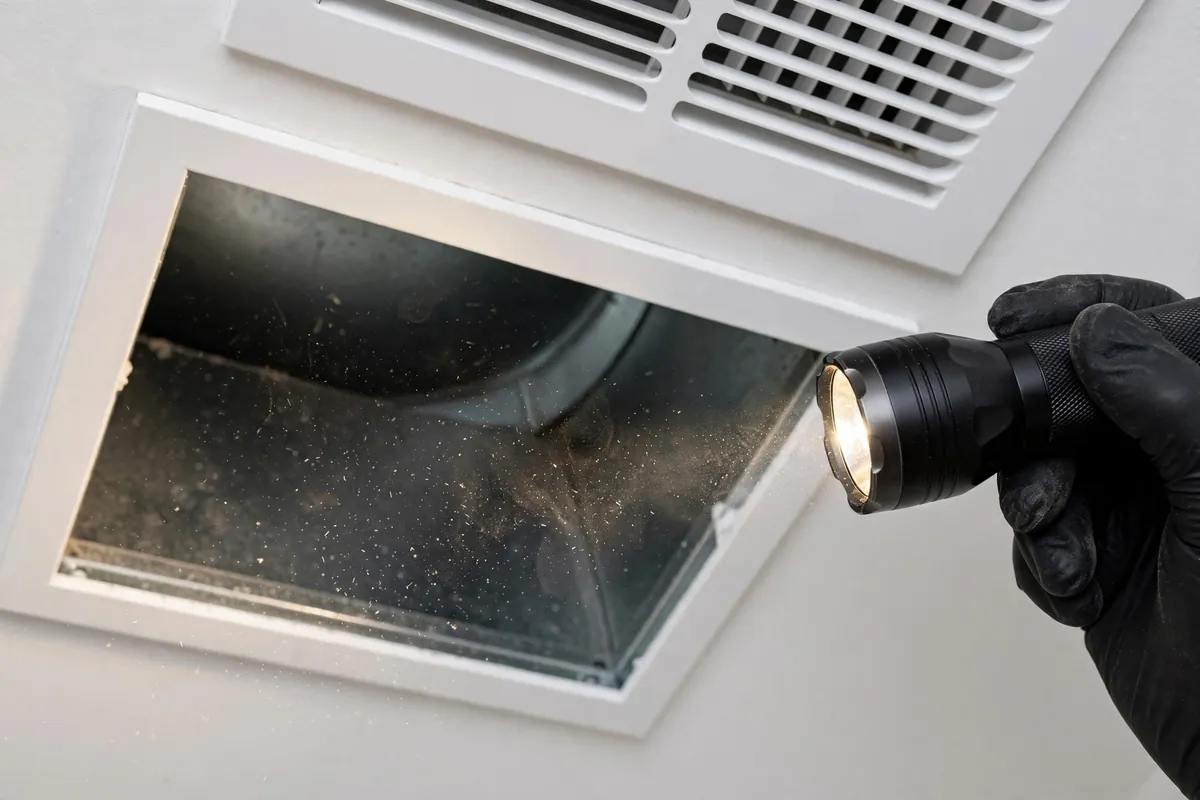
Even diligent homeowners get mold — a hidden pipe leak doesn't care about your hygrometer. If you find growth, smell mustiness you can't source, or had water intrusion, the next step is a professional mold inspection with moisture mapping. And if it's already in your air system, our air quality specialists can assess what's circulating.
Suspect mold despite your best efforts? One call — honest inspection, lab-verified answers, 24/7.
Call Now: (813) 845-8355