After a flood or hurricane pushes water into Tampa homes, a second clock starts: in Florida's heat, mold begins colonizing soaked materials within 24 hours. What you do in the first 48 hours decides whether you're dealing with a water cleanup or a water-plus-mold remediation. This guide covers exactly that window.
First: safety before anything
- Electricity and water don't mix. Don't enter flooded areas until power is off to those zones. If the breaker panel is in standing water, call an electrician — don't wade in.
- Assume floodwater is contaminated. It carries sewage, chemicals, and debris. Wear waterproof boots, gloves, and an N95 mask; keep kids and pets out.
- Document before you touch anything. Photograph and video every affected room, water lines on walls, damaged belongings — wide shots and close-ups, with timestamps. This documentation decides insurance claims later.
Hours 0–24: get the water out
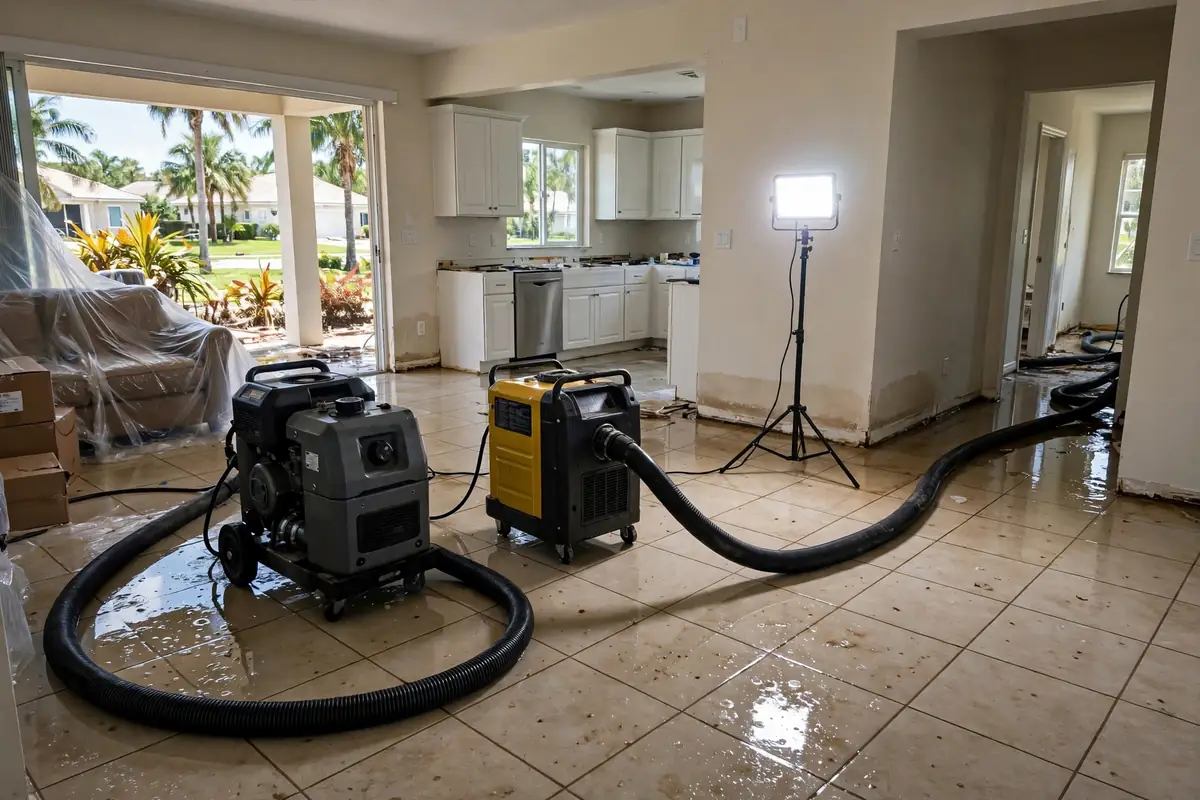
- Standing water is the enemy — every hour it sits, it wicks higher into drywall and deeper into flooring. If you have a wet-dry vacuum and it's safe, start. Move valuables, electronics, and furniture off wet floors. Pull up soaked rugs (they're usually unsalvageable after floodwater).
- Open windows if outdoor humidity allows — in Tampa's post-storm air that's a judgment call; mechanical drying matters more.
- This is also when you call for professional water extraction if the volume exceeds DIY: truck-mounted extractors remove in minutes what takes homeowners hours, and the drying plan starts from moisture mapping, not guesswork.
Hours 24–48: dry aggressively, remove what's lost
- Airflow + dehumidification. Position fans to move air across wet surfaces and run dehumidifiers continuously, draining outside or to a sink — not into a bucket you'll forget. Target: get materials drying, not just the air feeling less damp.
- Remove soaked porous materials. Flood-soaked drywall, insulation, carpet padding, and upholstered items generally can't be saved — cut drywall back to clean, dry margins (pros use moisture meters to find the line). Bag and discard per local guidelines.
- Don't just bleach and hope. Bleach doesn't penetrate porous materials, and floodwater contamination needs more than a surface wipe. Disinfection matters, but it's a step in a process — not the process.
What NOT to do
- Don't wait "to see if it dries on its own." In Tampa heat it won't — not before mold starts. Surface-dry is not actually dry.
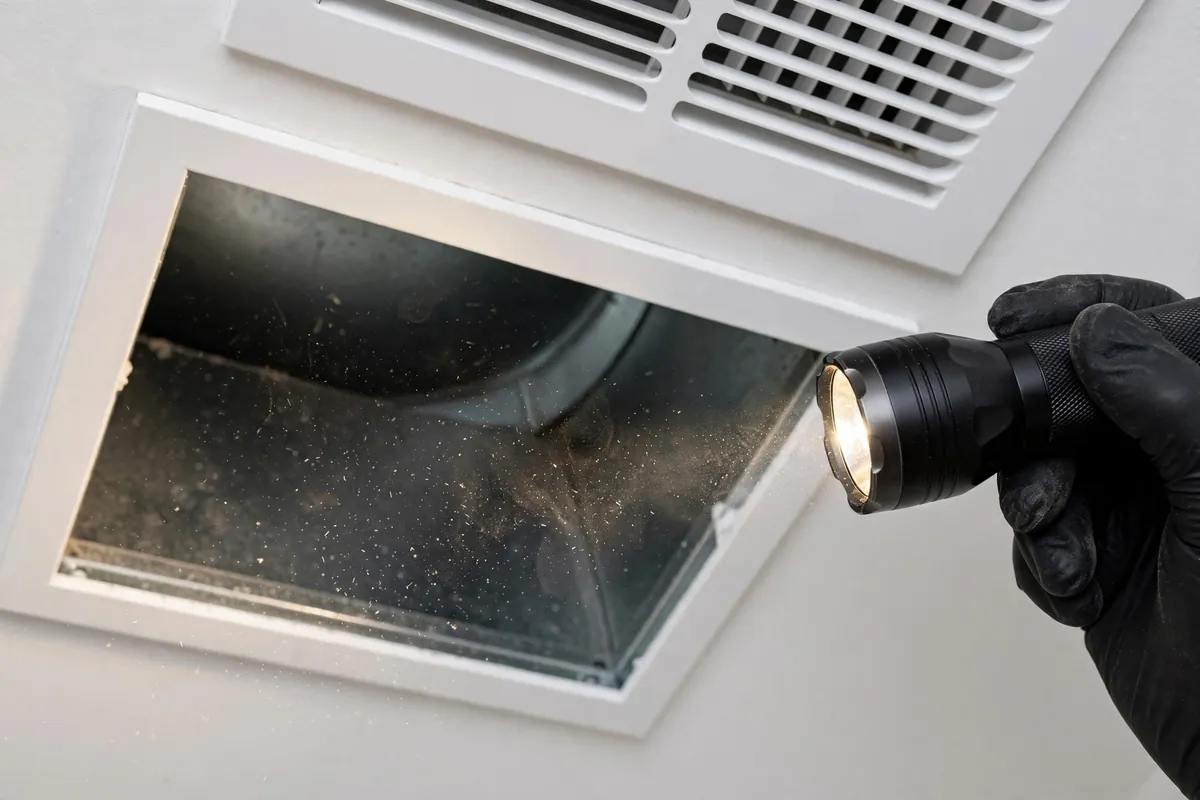
- Don't run the AC hard over soaked areas. It can spread moisture and, if the system took water, contaminate the ducts.
- Don't skip documentation. Every photo you didn't take is leverage you don't have with the insurer.
When to call professionals
Call us when: water affected drywall or insulation, the area is larger than a small room, you smell mustiness within days, or the water was contaminated (floodwater always is). Our crews handle water damage restoration start to finish — extraction, verified structural drying, mold remediation if needed, and independent lab clearance testing, plus the documentation package your insurance carrier expects.
Floodwater in your home right now? Don't wait out the 48 hours.
Call Now: (813) 845-8355 24/7 Emergency Response